Dairy, Gluten & Soy: Should You Cut These Out to Boost Fertility?

When you’re trying to conceive with endometriosis, food advice can feel overwhelming. One minute dairy is “fertility-friendly,” the next it’s inflammatory. Gluten is debated endlessly, and soy seems to swing between miracle food and hormone disruptor.

So what does the evidence actually say — and how do you know what’s right for your body?

Let’s break it down.


Why diet matters for fertility with endometriosis

Endometriosis is not a hormonal disease — it’s an inflammatory condition. That chronic, systemic inflammation affects fertility in several ways:

  • It disrupts the ovarian environment and follicle development
  • It can interfere with ovulation or block fallopian tubes
  • It inflames the uterus, making embryo implantation harder

Reducing inflammation is therefore a key fertility strategy. And diet plays a major role in either calming or fuelling that inflammation.

This is where dairy, gluten, and soy come into the conversation.


Dairy and fertility: helpful or harmful?

Dairy is often controversial — and understandably so. For many people, giving up cheese feels like a huge loss (I get it).

From a fertility perspective, the research on dairy is mixed. Some studies suggest full-fat dairy may support fertility — but these studies did not include women with endometriosis.

That distinction matters.

In endometriosis, gut health is frequently compromised. If you have leaky gut, undigested dairy proteins can cross into the bloodstream, triggering an immune response and increasing inflammation. On top of that:

  • Dairy often contains hormone residues
  • Antibiotics used in dairy farming can affect gut bacteria
  • Dairy intolerance is extremely common in endometriosis

For these reasons, I usually recommend removing dairy initially, especially when fertility is the goal.

If you do remove it, make sure you replace key nutrients such as calcium and iodine, and choose unsweetened plant milks to avoid blood-sugar spikes.


Gluten: one of the biggest fertility disruptors

Gluten is one of the most well-researched food triggers in endometriosis.

Research shows high rates of non-coeliac gluten sensitivity in people with endometriosis, even when coeliac disease is ruled out. Gluten can:

  • Increase inflammation
  • Worsen gut permeability
  • Trigger fatigue, bloating, anxiety, and brain fog
  • Interfere with nutrient absorption
  • Affect thyroid function (which is critical for fertility)

If gluten proteins cross a damaged gut wall, the immune system reacts — and inflammation rises. Since inflammation directly impairs implantation, this matters.

For fertility support, removing gluten is one of the most impactful dietary changes you can make.


Soy: fertility friend or foe?

Soy is the most confusing of the three.

It contains phytoestrogens, which can interact with oestrogen receptors. Since endometriosis already produces oestrogen, adding phytoestrogens can be unpredictable.

Some studies suggest whole soy foods (like tofu or tempeh) may support fertility. However:

  • These studies are not specific to endometriosis
  • Many people with endometriosis are intolerant to soy
  • Processed soy (common in ultra-processed foods) is far more problematic

Highly processed soy additives can worsen gut health and inflammation — which is why removing ultra-processed foods is often more important than removing whole soy outright.

If you are vegetarian or vegan, soy may still have a place — but it needs to be approached carefully and individually.


So… should you cut them out?

For most people with endometriosis who are trying to conceive:

  • Gluten: yes, remove
  • Dairy: yes, at least initially
  • Soy: remove processed forms; assess whole soy individually

If removing gluten and dairy improves symptoms such as fatigue, bloating, bowel changes, or mood, that’s a strong sign they were contributing to inflammation — and therefore affecting fertility.


Focus on what to eat instead

Rather than obsessing over restriction, shift your focus to anti-inflammatory nourishment:

  • Omega-3 rich foods (fatty fish, flaxseed, walnuts)
  • Colourful vegetables and fruits
  • Lean proteins and healthy fats
  • Low-glycaemic carbohydrates
  • Whole, minimally processed foods

And most importantly: personalisation matters. What supports fertility for one person may worsen symptoms for another.

If you’re unsure where to start, professional guidance can help you avoid nutrient deficiencies while reducing inflammation effectively.


I’ve created a free guide that explains how you can use diet and supplements to help improve your fertility. It’s called “5 strategies to improve your fertility naturally“ and you can download it here: https://www.subscribepage.com/5strategiesimprovefertilitynaturally
Is Endometriosis Causing Your Fatigue or Is It Something Else?

Fatigue is one of the most common and debilitating symptoms of endometriosis — yet it’s also one of the most misunderstood. Many people are told their exhaustion is “just part of having endo,” but the reality is more complex.

Yes, endometriosis can directly cause fatigue. But in most cases, it’s not the only cause — and often not the main one.

To truly understand endometriosis fatigue, we need to look beyond hormones and explore three key drivers: psychological factors, nutrient deficiencies, and food intolerances.

How endometriosis itself contributes to fatigue

Endometriosis is driven by chronic inflammation, and chronic inflammation is incredibly energy-intensive. Your immune system is constantly activated, which drains physical and mental energy over time.

Pain also plays a major role. Persistent pain disrupts sleep, overstimulates the nervous system, and keeps the body stuck in a state of fight-or-flight. On top of that, endometriosis triggers immune activation — we now know that people with endometriosis often produce autoantibodies, a sign that the immune system is chronically engaged. All of this increases your baseline energy demand.

Hormonal fluctuations can contribute as well — endometriosis both responds to and produces oestrogen — but hormones alone rarely explain the depth of fatigue many people experience.

When fatigue is persistent, overwhelming, or feels like “walking through mud” with brain fog, there are usually additional drivers involved.

Psychological factors: the hidden energy drain

Living with endometriosis places a constant load on the nervous system.

Pain alone can dysregulate cortisol (your stress hormone), often leading to afternoon energy crashes. Many people also experience hypervigilance — even when pain isn’t present, there’s constant monitoring for signs that a flare might be coming. That mental scanning burns energy.

Add to that anxiety, emotional stress, and the mental load of planning life around symptoms. Managing appointments, cancellations, explanations, and being misunderstood or dismissed takes a huge toll. This “invisible burden” is exhausting in itself.

Sleep disturbance compounds the problem. Pain, anxiety, and feeling “wired but tired” often lead to non-restorative sleep — so even after a full night in bed, you wake up exhausted.

Nutrient deficiencies: running on empty

Endometriosis significantly increases the risk of nutrient deficiencies.

Gut issues are common, which reduces nutrient absorption. Chronic inflammation increases nutrient requirements. Heavy bleeding depletes iron, creating a vicious cycle where low iron worsens fatigue, breathlessness, and concentration — and yet excess supplementation can also cause symptoms if not properly managed.

Common deficiencies linked to endometriosis fatigue include:

  • Iron – essential for oxygen delivery and energy
  • B vitamins (especially B12) – critical for cellular energy and brain function
  • Magnesium – needed for energy production, sleep, muscle recovery, and stress regulation
  • Vitamin D – supports immune balance, mood, and energy (sunlight is key here)
  • Omega-3 fatty acids – reduce inflammation and support brain function

Often, it’s not one severe deficiency but several mild ones combined that drive profound fatigue and brain fog.

Food intolerances: fueling inflammation without realising it

Food intolerances are almost universal in endometriosis — and they’re a major, often overlooked contributor to fatigue.

When intolerant foods are eaten, they trigger immune activation, worsen gut permeability, disrupt blood sugar, and increase inflammation. Fatigue and brain fog are classic reactions, particularly with gluten and dairy, but also with soy, ultra-processed foods, sugars, food chemicals, and even naturally occurring compounds like histamines or salicylates.

These reactions don’t always cause digestive symptoms, which is why they’re so often missed.

Why addressing fatigue matters

Fatigue doesn’t just affect how you feel — it makes everything harder. Pain is more difficult to manage. Dietary changes feel overwhelming. Emotional resilience drops.

The good news is that fatigue can improve when its real drivers are addressed. Testing nutrient status properly, reducing inflammatory and intolerant foods, supporting gut health, and getting personalised guidance can make a meaningful difference.

Your fatigue is real. It’s valid. And it’s not something you just have to “live with.”

With the right support, energy can return — and when it does, managing every other aspect of endometriosis becomes that little bit easier.


I’ve created a free guide “5 Steps to reducing your Endometriosis symptoms with nutrition”. This guide will get you started on changing your diet and reduce the severity of your symptoms.

If that sounds good, download your copy of the guide now:  https://www.subscribepage.com/5stepstoreducingyourendometriosissymptomswithnutrition

Is Endometriosis an Autoimmune Disease?

New evidence indicates that endometriosis may behave like an autoimmune disease—and if that’s true, it could fundamentally change how we understand, diagnose, and treat it.

For decades, endometriosis has been framed almost exclusively as a hormonal condition. Oestrogen has been blamed, periods have been scrutinised, and treatments have largely focused on suppressing hormones, managing pain, or surgically removing lesions. But emerging research suggests we may have been missing a crucial piece of the puzzle.

Why the autoimmune theory matters

If you’ve followed research into endometriosis for a while, you’ll know that the hormonal explanation has never fully explained the full picture. The most common theory, retrograde menstruation, suggests that menstrual tissue flows backwards into the pelvis. But retrograde menstruation happens in many people who never develop endometriosis. So why does it turn into disease in some and not others?

What’s been missing from the conversation is the immune system.

People with endometriosis consistently show signs of immune dysfunction. In particular, they often produce autoantibodies—immune cells that mistakenly target the body’s own tissues. These autoantibodies are a defining feature of autoimmune diseases, such as rheumatoid arthritis or Hashimoto’s thyroiditis.

For years, this overlap raised suspicion. Now, we finally have data to support it.

What the new research found

A recent analysis discussed in New Scientist (published 27 September) examined large-scale genetic and health data from over 8,000 women with endometriosis and compared it with data from 65,000 people with immune-related conditions.

The findings were striking:

  • People with endometriosis had a 14% higher risk of developing one autoimmune condition
  • A 21% higher risk of developing two autoimmune conditions
  • A 30% higher risk of developing three or more autoimmune conditions

Even more compelling, researchers identified shared genetic regions linked to both endometriosis and autoimmune diseases. These genes influence:

  • How immune cells behave during inflammation
  • How tissue repair occurs
  • How pain signals are processed

In simple terms, the same faulty instructions in the body’s “manual” may be driving both conditions.

Why this changes everything

If endometriosis is partly an autoimmune or immune-driven condition, it helps explain why current treatments often fall short. Hormonal suppression, painkillers, and surgery don’t address immune dysfunction—and that may be why symptoms frequently return.

This new perspective opens the door to:

  • Immune-modulating treatments, similar to those used in autoimmune disease
  • Earlier and more accurate screening for people with overlapping conditions
  • A better understanding of widespread symptoms like fatigue, brain fog, joint pain, and chronic pain

It also challenges the idea that endometriosis should be treated solely within gynaecology. Immune specialists, gastroenterologists, pain specialists, and nutrition professionals may all need to be part of the care team.

What this means for diagnosis

One of the most promising developments is the push toward non-invasive diagnostic tests. Currently, laparoscopy is the only definitive way to diagnose endometriosis. Imaging like MRI can identify cysts but often misses widespread disease.

Researchers are now investigating whether autoimmune-related markers can be detected in:

  • Menstrual blood
  • Saliva
  • Blood tests
  • Stool samples

If successful, this could dramatically shorten diagnosis times and reduce the need for surgery.

The role of nutrition and gut health

From a nutritional perspective, this research reinforces what I already see in practice: immune health and gut health are central to endometriosis management.

The gut plays a critical role in immune regulation. When gut integrity is compromised (for example, through leaky gut), undigested food particles enter the bloodstream and trigger immune responses. Combined with nutrient deficiencies, this can worsen inflammation and immune dysregulation.

Targeted nutrition—focused on reducing inflammation, healing the gut, and supporting immune balance—may become an even more important part of personalised endometriosis care.

A turning point for endometriosis research

For decades, endometriosis has been underfunded, misunderstood, and minimised. This emerging evidence linking endometriosis and autoimmune disease represents a major shift—one that could lead to better treatments, earlier diagnosis, and real hope for long-term relief.

We may not yet have all the answers, but this research moves us much closer to asking the right questions.


I’ve created a free guide “5 Steps to reducing your Endometriosis symptoms with nutrition”. This guide will get you started on changing your diet and reduce the severity of your symptoms.

If that sounds good, download your copy of the guide now:  https://www.subscribepage.com/5stepstoreducingyourendometriosissymptomswithnutrition


How to survive the festive season when you have Endometriosis

When you have Endometriosis it can be a challenge to survive the festive season, let alone enjoy it. So I thought I’d give you some tips now, at the beginning of December, so you can be prepared – and hopefully enjoy the season.

I’ll start with tips if you have not changed your diet yet to manage your Endometriosis. The second part of this post will help those of you who have already made some diet changes and are worried about not being able to stick to it.


Not made any changes to your diet yet?

Here’s the thing. So many people go on a diet AFTER the festive season to try and ‘undo’ the damage they did with too much food and too much alcohol. That may work (although the typical lack of success makes me doubt that a bit) if you are overall quite healthy.

But because you’ve got Endometriosis (and so you’re not a healthy person), that would be the equivalent of preparing for a big running race as a non-runner, by doing absolutely nothing in the weeks before the race and going in training afterwards.

A better approach is to try and minimise the impact of the festive season as much as possible. That means you need to prepare! You need to go ‘in training’ beforehand so your  body is able to cope.

It will also increase your chances of actually being able to participate in events if you can reduce the severity of some of your symptoms leading up to it.

So, to survive the festive season I recommend that your ‘training’ looks like this.

  • Go gluten and dairy free for the weeks leading up to a big ‘do’. Most women with Endometriosis are intolerant to gluten (the protein in wheat) and diary protein and removing those from your diet can start to reduce your symptoms. That could mean the difference between being able to go to events and being too unwell to go. Now, I know removing gluten and dairy from your diet, even for a few weeks, can be difficult. If you’d like some help, check out this course. https://theendometriosisnutritionist.online/course/remove-gluten-and-dairy-from-your-diet/
  • Avoid alcohol leading up to the event. We often don’t’ stop to think about the damage alcohol does and how it worsens your symptoms. Alcohol dries out your gut, removing the very important mucous layer on the gut wall. Give your gut a good break by avoiding alcohol, and then limit your alcohol as much as possible during events.
  • Avoid caffeine in coffee, tea, green tea, energy drinks and chocolate. Caffeine irritates your gut wall and worsens leaky gut.
  • Eat lots of fresh fruit and vegetables, eat the rainbow, small amounts of quality meat, and avoid any processed foods. It allows your body to get lots of important nutrients.


Already using diet to manage your symptoms?

You’ve worked so hard to make diet changes and you’ve probably already noticed an improvement in your symptoms. So you might be worried about not being able to stick to your diet when eating out or when dinners are cooked by someone else.

If so, here are my tips for you to survive the festive season.

  • If you’re going to someone else for meals, would they mind if you bring some food that is suitable for you? If you can bring a dish that you know you can eat and add it to the dinner, you know you’ll be able to eat something that is right for you.
  • Or would they be willing to cook, or partially cook, for your diet, with your input and advice? Not everyone is comfortable cooking for diet requirements, but perhaps with your help some of the dishes can be adjusted?
  • If you are going out to dinner, the restaurant may be willing to help you find dishes you can eat or even prepare alternatives for you. A few days before the event contact them and explain you are allergic to certain ingredients, such as gluten and dairy. Even though you might not be allergic to the foods you’ve removed from your diet, I still recommend you say you are. Food intolerances are typically seen as fads and something for fussy people. Allergies, however, worry restaurants, and they are typically very willing to try to accommodate you.
  • And my final tip to survive the festive season: accept that you will probably eat something that you react to and that you will have some symptoms afterwards like bloating or constipation. Be prepared for it – perhaps build in some quiet days at home to look after yourself.

The festive season is about being with people you love, family, friends, and yes, probably not eating the best. Your Endometriosis can be a real party pooper, either because you’re too unwell to participate, or because you know you’ll feel horrible afterwards.

But with a bit of preparation, you can not only survive the festive season but enjoy it as well!


I’ve created a free guide “5 Steps to reducing your Endometriosis symptoms with nutrition”. This guide will get you started on changing your diet and reduce the severity of your symptoms.

If that sounds good, download your copy of the guide now:  https://www.subscribepage.com/5stepstoreducingyourendometriosissymptomswithnutrition


Why Am I So Anxious? The Endo & Nutrition Connection Explained

If you live with endometriosis and struggle with anxiety, you’re far from alone—and importantly, it’s not just in your head. Anxiety is one of the most common (yet least discussed) symptoms of endometriosis. And while pain, uncertainty, and fear of flare-ups understandably affect your mental state, the story goes much deeper.

Endometriosis creates chronic inflammation, disrupts gut health, and increases your body’s demand for the nutrients that regulate neurotransmitters—the chemicals that keep you calm, stable, and emotionally resilient. When your body can’t access or absorb what it needs, endometriosis anxiety can spike dramatically.

Let’s break down what’s really happening inside your body—and what nutrition can do to help.


Why Anxiety Is So Common in Endometriosis

There are four powerful biological reasons why anxiety is so closely linked with endometriosis, and none of them involve hormones. Despite common myths, endometriosis is not a hormonal disease—it’s an inflammatory one. That inflammation disrupts key systems that directly influence your mood, thinking, and emotional stability.

1. Leaky gut (gut hyperpermeability)

Chronic inflammation damages the gut lining, reducing your ability to absorb nutrients from food. When the gut wall becomes “leaky,” far fewer nutrients make it into your bloodstream—meaning your body can’t access what it needs to create mood-regulating neurotransmitters.

In short: your brain can’t function well if your gut can’t absorb what fuels it.

2. Increased nutrient needs

Endometriosis is a chronic disease, and chronic disease increases your body’s nutritional demands—especially for nutrients involved in energy, healing, immunity, and mental health. Even a great diet may not be enough.

3. Modern diets aren’t nutrient-dense enough

Even if you eat well, today’s food supply contains fewer nutrients than decades ago. Produce is often grown for size and yield—not nutritional value. For someone without endometriosis, this is already a problem. For someone with endometriosis, it’s a recipe for deficiencies.

4. Gut dysbiosis (imbalanced gut bacteria)

Most people with endometriosis have too many harmful bacteria and not enough beneficial ones. This matters because your gut and brain communicate constantly through the gut-brain axis via the vagus nerve.

Harmful bacteria produce endotoxins, which can trigger anxiety and depression. This is one reason you might feel anxious even when nothing stressful is happening—your gut may be sending “danger” signals.


Key Nutrients That Help Reduce Endometriosis Anxiety

Certain nutrients play a direct role in mood regulation. Deficiencies in these are extremely common in endometriosis and can significantly worsen anxiety symptoms.

B vitamins (B6, B12, folate)

These are essential for synthesising neurotransmitters—especially serotonin, your “calm and stable mood” chemical. Low levels can amplify anxiety and low mood.

Vitamin D

Vitamin D supports the production and release of serotonin and dopamine. Low levels are strongly linked to anxiety—but supplements may be poorly absorbed if you have leaky gut. Sunlight remains the most effective source.

Magnesium

Known as nature’s “anti-stress mineral,” magnesium calms the nervous system, relaxes muscles, and supports balanced neurotransmitters. Australia’s soils are low in magnesium, making deficiency extremely common.

Omega-3 fatty acids

These healthy fats help build brain cell membranes and reduce inflammation. Low omega-3 intake is linked to mood disorders, including anxiety.

Zinc

Zinc supports both the immune system and the nervous system. It’s essential for neurotransmitter signalling. Vegans, vegetarians, and those with gut issues are at high risk of deficiency.

When these nutrients are low, your brain simply can’t produce or transmit the chemical messages needed to regulate anxiety.


How to Reduce Anxiety When You Have Endometriosis

1. Heal your gut

A damaged gut can’t absorb the nutrients your brain requires. Removing food intolerances, reducing inflammation, and restoring gut integrity is essential.

2. Improve gut dysbiosis

Eat prebiotic fibre, probiotic foods, and remove sugar and processed foods that feed harmful bacteria.

3. Personalise your nutrition

General healthy-eating guidelines aren’t enough for endometriosis. You need targeted, personalised nutrition that addresses inflammation, gut health, and nutrient restoration.

4. Support key nutrient levels

Increase intake of B vitamins, magnesium, zinc, omega-3s, and—where safe to do so—get daily sun exposure for vitamin D.


Final Thoughts

If you’ve ever been told your anxiety is “just stress,” “just hormones,” or “just in your head,” please know this: Your anxiety has a very real biological foundation—and nutrition can meaningfully change it.

By healing your gut, reducing inflammation, and restoring key nutrients, you can dramatically reduce endometriosis anxiety and finally feel more in control of your mind and body.

I’ve created a free guide “5 Steps to reducing your Endometriosis symptoms with nutrition”. This guide will get you started on changing your diet and reduce the severity of your symptoms, including endometriosis anxiety.

If that sounds good, download your copy of the guide now:  https://www.subscribepage.com/5stepstoreducingyourendometriosissymptomswithnutrition

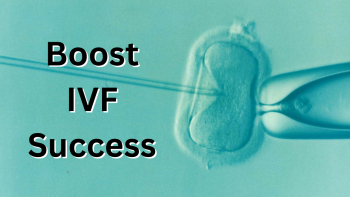
I’m Using IVF for Endometriosis — What Can I Do to Improve My Chances?

If you’re preparing for IVF or IUI with endometriosis, you’re probably feeling a mix of hope, fear, and exhaustion. IVF is one of the most emotionally and physically demanding things you can go through—I’ve been there myself. And while I’m deeply grateful that IVF gave me my daughter, I also wish I had known then what I know now about IVF fertility nutrition, egg quality, and inflammation.

The good news? There is a lot you can do to improve your chances of IVF success, especially when endometriosis is part of the picture.

Below, you’ll learn the two biggest factors that influence IVF outcomes if you have endometriosis: egg quality and chronic inflammation—and exactly what you can do to support both.

Why Egg Quality Matters So Much in IVF

During IVF, your clinic will stimulate your ovaries to grow multiple eggs. The quality of those eggs directly affects:

  • whether the egg can be successfully fertilised
  • whether the embryo develops normally
  • your risk of early miscarriage
  • chromosomal health of the pregnancy

The challenge? Endometriosis affects the ovarian environment and can impair how your eggs produce energy. That energy comes from tiny structures inside each egg called mitochondria.

Why mitochondria matter

Before ovulation, your egg goes through a four-month maturation process. In the final 48 hours before ovulation, the egg undergoes a series of DNA divisions (called meiosis). This is an incredibly delicate process, and it requires precise bursts of energy at the exact right time.

But endometriosis can disrupt mitochondrial function, which means:

  • energy production becomes irregular
  • DNA division becomes error-prone
  • egg quality declines
  • the risk of chromosomal abnormalities increases

The supplement that makes a difference: Coenzyme Q10

One of the most powerful tools we have for improving egg quality—especially for people with endometriosis—is Coenzyme Q10 (CoQ10). It supports the mitochondria inside your eggs so they can produce energy smoothly and consistently.

However:

  • You need a therapeutic dose (usually far higher than store-bought CoQ10).
  • The dose must be adjusted for your weight and health history.
  • Low-quality supplements often contain fillers that worsen inflammation.

This is why CoQ10 should be prescribed by a nutritionist or naturopath who specialises in fertility or IVF. Ideally, you take CoQ10 for four months before IVF, but even starting now is better than not taking it at all.

Inflammation and IVF: Why It Matters for Endometriosis

Endometriosis isn’t driven by hormones—those simply influence symptoms. The real driver is chronic systemic inflammation.

And inflammation affects fertility in two major ways:

  1. It increases egg damage. Inflammation worsens mitochondrial dysfunction, lowering egg quality even before ovulation.
  2. It makes implantation harder. Chronic uterine inflammation is strongly associated with implantation failure. Even a perfectly healthy embryo may struggle to attach in an inflamed environment.

This is where IVF fertility nutrition becomes essential.

The Anti-Inflammatory Diet for IVF Success

If you have endometriosis and are preparing for IVF, a strict anti-inflammatory diet is one of the most powerful tools you have.

Foods to remove

  • Ultra-processed foods (packaged, factory-made, preservative-heavy)
  • Sugar and refined carbohydrates
  • Gluten (very high intolerance rates in endometriosis)
  • Dairy (due to protein intolerance, not lactose)
  • Caffeine (damages gut lining and worsens inflammation)
  • Alcohol (especially critical to avoid during fertility treatment)

Foods to include

  • Omega-3 fats: salmon, sardines, chia seeds, walnuts, flaxseed
  • Colourful vegetables + fruits (eat the rainbow)
  • Beans, lentils, legumes (excellent for gut health and fibre)
  • Anti-inflammatory spices: turmeric and ginger
  • Whole, unprocessed, plant-focused meals

This way of eating reduces inflammation, supports implantation, and improves embryo development.

Lifestyle Factors That Boost IVF Success

Alongside nutrition:

  • Sleep supports immune balance and hormone regulation.
  • Gentle movement (walking, yoga, Pilates) improves circulation and reduces stress.
  • Stress reduction lowers inflammatory markers.
  • Avoiding environmental toxins (plastics, harsh chemicals, fragranced products) protects egg and embryo health.
  • Avoid second-hand smoke and vaping, both of which dramatically increase inflammation.

When Should You Start?

Ideally 3–6 months before IVF, but don’t panic if your timeline is shorter. Anything you do now will improve your chances.

Pair a therapeutic dose of CoQ10 with a well-supported, personalised anti-inflammatory diet and work closely with a fertility-focused nutritionist or naturopath.


Your IVF journey is hard enough. You deserve to go into it feeling informed, supported, and empowered.

To further support you, I’ve created a free guide that explains how you can use diet and supplements to help improve your fertility. It’s called “5 strategies to improve your fertility naturally“ and you can download it here: https://www.subscribepage.com/5strategiesimprovefertilitynaturally
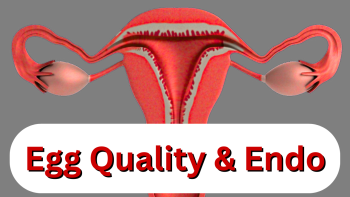
How Endometriosis Affects Your Egg Quality – And What You Can Do

If you’re living with Endometriosis and want to start or grow your family, you may be worried about your fertility. You might have heard that Endometriosis can make it harder to conceive—but what often goes unmentioned is the impact it can have on egg quality.

Egg quality isn’t about how many eggs you have—it’s about how healthy those eggs are and how capable they are of being fertilised, developing into a healthy embryo, and leading to a successful pregnancy. Let’s explore how Endometriosis influences egg quality and, importantly, what you can do to improve it.

Why Egg Quality Matters

Each month, your ovaries release an egg through ovulation. But that egg’s journey starts long before—it takes around 90 days for an immature egg to fully mature. During this time, it needs the right environment, nutrients, and hormonal support.

Healthy eggs are more likely to fertilise successfully and less likely to have chromosomal problems. Poor egg quality, on the other hand, can increase the risk of failed fertilisation, early pregnancy loss, or genetic abnormalities.

How Endometriosis Impacts Egg Quality

Inflammation damages eggs

Endometriosis is a chronic inflammatory condition. That inflammation doesn’t just affect your pelvic organs—it can affect your eggs too. Inflammatory chemicals can damage egg cells, reducing their ability to develop normally.

Mitochondrial dysfunction

Mitochondria are the “power plants” inside your cells, producing the energy an egg needs to mature. In Endometriosis, mitochondrial function can be impaired, meaning the egg has less energy for healthy development. This energy shortage can increase the risk of chromosomal damage.

Endometriomas interfere with ovary function

Endometriomas, or “chocolate cysts,” can disrupt the normal structure of your ovaries. Depending on their size and location, they may reduce the number of healthy follicles or interfere with the release of an egg during ovulation.

Nutrition’s Role in Egg Quality

The good news is that while you can’t change every factor, diet and lifestyle can make a significant difference.

Reduce inflammation

  • Remove gluten, dairy, and processed foods from your diet.
  • Identify and avoid personal food intolerances.
  • Focus on anti-inflammatory foods like leafy greens, berries, oily fish, nuts, and seeds.

Increase antioxidant intake

Oxidative stress is a major driver of egg damage. Antioxidants—found in colourful fruits, vegetables, green tea, and certain supplements—help protect egg cells.

Consider targeted supplements

  • Coenzyme Q10 (CoQ10): Supports mitochondrial energy production.
  • Omega-3 fatty acids: Reduce inflammation.
  • Vitamin D: Important for hormone balance and immune health.
    Always consult a qualified practitioner before starting supplements.

Support hormonal health

Balanced hormones are key for egg maturation. Eating adequate protein, healthy fats, and fibre can help maintain stable blood sugar levels and support hormone balance.

Give It Time

Because eggs take about three months to mature, any changes you make now will affect the eggs that are released in three to four months. Think of it as planting seeds—you need to prepare the soil well before you expect them to grow.

Having Endometriosis doesn’t mean you’ll never conceive—but improving your egg quality can give you the best possible chance. With a targeted nutrition plan, anti-inflammatory lifestyle, and patience, you can take back some control over your fertility journey.

I’ve created a free guide that explains how you can use diet and supplements to help improve your fertility. It’s called “5 strategies to improve your fertility naturally“ and you can download it here: https://www.subscribepage.com/5strategiesimprovefertilitynaturally
Is Chronic Inflammation Keeping You Sick?

If you’ve been told that Endometriosis is “all about hormones,” it’s time to rethink that narrative. Yes, hormones play a role, but they’re not the true root cause of the condition.

The real driver? Chronic inflammation.

And until you address it, you may find your symptoms keep coming back—no matter how many surgeries or hormone treatments you’ve tried.

What is inflammation, really?

Inflammation is your immune system’s natural defence mechanism. It’s designed to protect you when there’s a threat—like an injury, virus or bacteria. In a healthy body, inflammation is short-term: the immune system deals with the problem and then calms down.

But in Endometriosis, inflammation becomes chronic and systemic. That means it’s not just affecting one part of your body—it’s impacting multiple systems all at once. This constant, low-grade immune activation is like a fire that never goes out.

Chronic inflammation in Endometriosis can:

  • Amplify pain and make it more widespread
  • Worsen fatigue and drain your energy
  • Trigger bloating, digestive discomfort and immune dysfunction
  • Fuel disease progression and the growth of endometriosis lesions

How does it start?

Researchers are still piecing together the full puzzle, but three common triggers stand out:

  1. Leaky gut – Also known as intestinal permeability, this happens when tiny gaps form in your gut lining. These gaps allow undigested food particles, toxins and bacteria to escape into your bloodstream. Your immune system sees these as “invaders” and reacts, creating more inflammation.
  2. Dysbiosis – This is an imbalance between beneficial and harmful bacteria in your gut. When harmful bacteria dominate, they can produce toxins and compounds that drive up immune overactivity, creating a vicious cycle of inflammation.
  3. Autoimmunity – In Endometriosis, your immune system can mistakenly create antibodies that attack your own tissues. This makes inflammation even harder to control.

The result? An immune system that’s both overactive and ineffective—producing high levels of pro-inflammatory chemicals but failing to resolve the underlying problem.

Symptoms of chronic inflammation

Chronic inflammation doesn’t always scream its presence. It can be sneaky, showing up as symptoms you might not immediately link to your immune system, such as:

  • Persistent pain, even with medication or after surgery
  • Brain fog or trouble concentrating
  • Digestive issues like bloating, constipation or diarrhoea
  • Frequent colds, infections or generally sluggish immunity
  • Skin flare-ups, headaches or unexplained fatigue

If these sound familiar, it’s worth looking deeper into inflammation as a core issue—not just treating each symptom separately.

What can you do about it?

The good news? Inflammation is reversible. You just need the right tools and a personalised plan. Here’s where to start:

  1. Find your food intolerances. The foods that trigger inflammation for one person might be completely fine for another. This is why personalised nutrition is so important. Identifying and removing your specific food intolerances reduces immune activation and gives your body space to heal.
  2. Remove inflammatory foods. Certain foods are known to drive inflammation in most people. These include ultra-processed foods, refined sugar, alcohol, trans fats, and—in many cases—caffeine. Reducing or eliminating these from your diet can bring down inflammation levels quickly.
  3. Rebuild your gut health. Your gut is the command centre for much of your immune system. Support it with:
  • Fermented foods like sauerkraut, kimchi, kefir or yoghurt (if tolerated)
  • Prebiotic-rich foods such as garlic, onions, asparagus and leeks
  • A variety of high-fibre vegetables to feed beneficial gut bacteria
  1. Include anti-inflammatory foods daily. Some foods actively help to reduce inflammation. Great choices include turmeric (especially when combined with black pepper), oily fish like salmon or sardines, colourful berries, dark leafy greens, extra virgin olive oil and nuts or seeds.

Why this matters beyond pain

When you target inflammation, you’re not just tackling pain—you’re addressing one of the root drivers of Endometriosis symptoms. Reducing chronic inflammation can also help improve digestion, energy levels, mental clarity and even fertility outcomes.

Think of it this way: if your body is constantly fighting inflammation, it has fewer resources to repair tissues, balance hormones and keep you feeling well. Remove that burden and your body can finally start to heal.


I’ve created a free guide “5 Steps to reducing your Endometriosis symptoms with nutrition”. This guide will get you started on changing your diet, reduce inflammation and reduce the severity of your symptoms.

If that sounds good, download your copy of the guide now:  https://www.subscribepage.com/5stepstoreducingyourendometriosissymptomswithnutrition

The Hidden Role of Iron Deficiency in Endometriosis Fatigue

If you're living with Endometriosis and constantly feeling wiped out, foggy, or like your body just won’t cooperate—iron deficiency could be playing a much bigger role than you think.

Fatigue is one of the most common complaints among women with Endometriosis. It’s often brushed off as “just part of the condition,” but the truth is, iron deficiency is often the silent driver of that relentless exhaustion. And the longer it goes undetected or unmanaged, the worse it can get.

Why Iron Deficiency is Common in Endometriosis

Let’s start with the basics. Endometriosis doesn’t just cause pain and fertility challenges—it also contributes to heavy or prolonged menstrual bleeding. For many, that monthly loss of blood results in significant iron depletion. Here’s what that means:

  • Heavier bleeding = more blood loss
  • More blood loss = more iron loss
  • More iron loss = lower oxygen delivery throughout the body

That’s why so many women with Endometriosis experience:

  • Chronic fatigue
  • Breathlessness
  • Dizziness
  • Pale skin
  • Headaches
  • Brain fog

In short: you’re running on empty. Your body doesn’t have the iron it needs to move oxygen to your muscles, brain, and cells.

And it gets more complicated…

Iron Does Far More Than Fight Fatigue

Most people associate iron with energy—and rightly so. But it also plays a role in:

  • Hormone synthesis: Your body needs iron to produce and metabolise estrogen and progesterone.
  • Immune function: Iron helps immune cells mature and respond to threats.
  • Brain function: Low iron can affect concentration, mood, and memory.
  • Muscle performance: Muscles (including your uterus!) depend on oxygen for contraction and repair.

So, if you’re dealing with Endometriosis and feel like your mood, energy, cycles, and even mental clarity are “off,” iron deficiency could be a hidden culprit.

Why Diet Alone Might Not Be Enough

Even if you eat a diet that includes iron-rich foods, it doesn’t guarantee you’re absorbing enough.

That’s because iron absorption starts in the gut—and for many people with Endometriosis, gut function is already compromised.

Women with Endometriosis often experience:

  • Leaky gut: A damaged gut lining that reduces nutrient absorption.
  • Inflamed gut: Chronic inflammation makes nutrient uptake more difficult.
  • Dysbiosis: An imbalance in gut bacteria can impair the digestive process.

This means that even if you eat all the “right” foods, your body might not be able to access the iron inside them.

Haem vs Non-Haem Iron: Why It Matters

There are two types of iron found in food:

  1. Haem iron
    • Found in animal products like red meat, poultry, and fish
    • Easily absorbed by the body
    • Not affected by other nutrients
  2. Non-haem iron
    • Found in plant-based foods like leafy greens, lentils, seeds, and fortified cereals
    • Less bioavailable
    • Easily blocked by other foods like dairy or coffee

If you eat a plant-based or mostly vegetarian diet, all your iron comes from non-haem sources. That doesn’t mean you can’t get enough iron—it just means you have to be more strategic.

What Boosts or Blocks Iron Absorption?

Here are some tips to get the most from the iron in your food:

  • Pair Iron with Vitamin C. Vitamin C increases the absorption of non-haem iron by up to 300%! Add citrus fruits, red capsicum, tomatoes, and broccoli to iron-rich meals.
  • Don’t Combine Iron with Calcium. Calcium competes with iron for absorption. Avoid combining iron-rich meals with dairy, calcium-fortified foods, or calcium supplements.
  • Cook in Cast Iron. Using cast iron cookware can naturally boost the iron content in your food—especially acidic foods like tomatoes or lemon-based sauces.
  • Limit Coffee and Tea with Meals. Tannins in coffee and tea can block iron absorption. Try to wait at least an hour before or after meals to enjoy your cuppa.

What About Iron Supplements?

If your iron levels are very low, you might need a supplement—but not all iron supplements are created equal.

Some common issues with iron supplements are:

  • Constipation
  • Bloating or cramping
  • Worsened Endo symptoms (especially if Endometriosis is on or near the bowel)

Here’s what to look for in an iron supplement:

  • Gentler forms of iron: ferrous bisglycinate or iron amino acid chelates
  • Low-dose options: More is not always better. Smaller doses taken consistently are more effective and less irritating.
  • Liquid iron: Sometimes better tolerated for those with gut issues.

And always talk to your GP or a practitioner who understands Endometriosis before starting any supplement.

Testing: What to Ask Your Doctor

Many GPs will check your haemoglobin, but this only reflects iron in your red blood cells—not your stored iron.

Ask for a ferritin test, which measures iron stored in your tissues. Ideally, your ferritin should be in the 50–100 range for optimal function (though lab reference ranges often say 15 is “normal”).

If your ferritin is low—even if your haemoglobin is normal—you may still experience fatigue, brain fog, and poor immunity.

A Final Word of Encouragement

Many women with Endometriosis accept fatigue as “just the way things are.” But iron deficiency is treatable—and correcting it could significantly improve your energy, mood, and resilience.

Whether you eat meat or follow a plant-based diet, there are tools you can use to feel better. If you're feeling constantly tired, don't dismiss it. Ask questions, get tested, and nourish your body with what it truly needs.

You deserve energy. You deserve clarity. And you deserve a body that feels like it’s working with you—not against you.

I’ve created a free guide “5 Steps to reducing your Endometriosis symptoms with nutrition”. This guide will get you started on changing your diet and reduce the severity of your symptoms, including fatigue.

If that sounds good, download your copy of the guide now: https://www.subscribepage.com/5stepstoreducingyourendometriosissymptomswithnutrition

Why Your Gut Could Be Sabotaging Your Endometriosis Recovery

The connection between gut health and Endometriosis may seem surprising, but if you’re struggling with persistent symptoms, even after trying various treatments, your gut could be the missing piece of the puzzle.

When we think of Endometriosis, we often think of hormones, painful periods or fertility issues. But what if one of the biggest obstacles to healing was something you rarely consider—your gut?

What your gut does (beyond digestion)

Your gut is far more than a food-processing machine. It:

  • Absorbs key nutrients like iron, zinc, and B vitamins—critical for energy, hormone production and immune function.
  • Maintains a barrier between your digestive tract and bloodstream.
  • Hosts trillions of bacteria (your microbiome), which regulate immune responses and inflammation.

In people with Endometriosis, the gut is often compromised—what’s known as “leaky gut” or gut hyperpermeability which means your gut wall is damaged.

Leaky gut and its ripple effects

A healthy gut lining keeps undigested food and toxins out of your bloodstream. But a leaky gut allows these invaders through, triggering your immune system. This:

  • Increases systemic inflammation (which drives Endometriosis).
  • Lowers nutrient absorption.
  • Disrupts hormone balance.

It’s a vicious cycle: more inflammation → more damage to the gut → more symptoms.

What causes leaky gut?

  • Food intolerances – Even healthy foods (like avocado or eggs) can trigger inflammation if your body doesn’t tolerate them.
  • Processed foods – These damage the gut lining.
  • Dysbiosis – An imbalance in gut bacteria can lead to overproduction of endotoxins that keep your immune system on high alert.

4 Ways to Start Healing

  1. Identify your food intolerances
    Use a professional diet assessment. Although an elimination diet to find triggers is often suggested, it can be almost impossible to determine which foods to eliminate from your diet. You can be intolerant to any food, from fruits to meat to vegetables. And even more confusing, you can be intolerant to oranges, for example, but not any other citrus fruit.
  2. Remove inflammatory foods
    Ditch processed foods, sugar, caffeine, and alcohol. And a key food that has been widely shown to be inflammatory for those with Endometriosis is anything with gluten.
  3. Rebuild the gut lining
    Focus on bone broth, zinc-rich foods such as fish and glutamine-containing foods such as meat, poultry, fish and eggs. You need additional nutrients to support your body making the most of glutamine: cysteine, vitamin B, vitamin D, zinc and fibre.
  4. Repopulate the microbiome
    Fermented foods, prebiotic-rich vegetables, and quality probiotics can support a more balanced microbiome.

You can’t fix what you don’t understand

If you’ve been focusing only on hormones or surgery, and still feel exhausted, bloated or in pain—your gut may be silently derailing your progress.

By prioritising your gut, you reduce inflammation, improve nutrient absorption, and create an internal environment that supports long-term Endometriosis relief.


I’ve created a free report “5 Things you eat and drink that make your Endometriosis symptoms worse”. This report will get you started on changing your diet and reduce the severity of your symptoms.

If that sounds good, download your free copy of the report now:  https://www.subscribepage.com/5thingsyoueatanddrink.