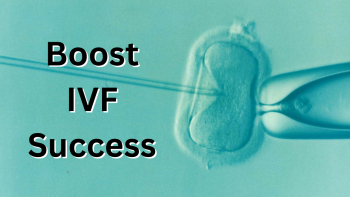
If you’re preparing for IVF or IUI with endometriosis, you’re probably feeling a mix of hope, fear, and exhaustion. IVF is one of the most emotionally and physically demanding things you can go through—I’ve been there myself. And while I’m deeply grateful that IVF gave me my daughter, I also wish I had known then what I know now about IVF fertility nutrition, egg quality, and inflammation.
The good news? There is a lot you can do to improve your chances of IVF success, especially when endometriosis is part of the picture.
Below, you’ll learn the two biggest factors that influence IVF outcomes if you have endometriosis: egg quality and chronic inflammation—and exactly what you can do to support both.
Why Egg Quality Matters So Much in IVF
During IVF, your clinic will stimulate your ovaries to grow multiple eggs. The quality of those eggs directly affects:
- whether the egg can be successfully fertilised
- whether the embryo develops normally
- your risk of early miscarriage
- chromosomal health of the pregnancy
The challenge? Endometriosis affects the ovarian environment and can impair how your eggs produce energy. That energy comes from tiny structures inside each egg called mitochondria.
Why mitochondria matter
Before ovulation, your egg goes through a four-month maturation process. In the final 48 hours before ovulation, the egg undergoes a series of DNA divisions (called meiosis). This is an incredibly delicate process, and it requires precise bursts of energy at the exact right time.
But endometriosis can disrupt mitochondrial function, which means:
- energy production becomes irregular
- DNA division becomes error-prone
- egg quality declines
- the risk of chromosomal abnormalities increases
The supplement that makes a difference: Coenzyme Q10
One of the most powerful tools we have for improving egg quality—especially for people with endometriosis—is Coenzyme Q10 (CoQ10). It supports the mitochondria inside your eggs so they can produce energy smoothly and consistently.
However:
- You need a therapeutic dose (usually far higher than store-bought CoQ10).
- The dose must be adjusted for your weight and health history.
- Low-quality supplements often contain fillers that worsen inflammation.
This is why CoQ10 should be prescribed by a nutritionist or naturopath who specialises in fertility or IVF. Ideally, you take CoQ10 for four months before IVF, but even starting now is better than not taking it at all.
Inflammation and IVF: Why It Matters for Endometriosis
Endometriosis isn’t driven by hormones—those simply influence symptoms. The real driver is chronic systemic inflammation.
And inflammation affects fertility in two major ways:
- It increases egg damage. Inflammation worsens mitochondrial dysfunction, lowering egg quality even before ovulation.
- It makes implantation harder. Chronic uterine inflammation is strongly associated with implantation failure. Even a perfectly healthy embryo may struggle to attach in an inflamed environment.
This is where IVF fertility nutrition becomes essential.
The Anti-Inflammatory Diet for IVF Success
If you have endometriosis and are preparing for IVF, a strict anti-inflammatory diet is one of the most powerful tools you have.
Foods to remove
- Ultra-processed foods (packaged, factory-made, preservative-heavy)
- Sugar and refined carbohydrates
- Gluten (very high intolerance rates in endometriosis)
- Dairy (due to protein intolerance, not lactose)
- Caffeine (damages gut lining and worsens inflammation)
- Alcohol (especially critical to avoid during fertility treatment)
Foods to include
- Omega-3 fats: salmon, sardines, chia seeds, walnuts, flaxseed
- Colourful vegetables + fruits (eat the rainbow)
- Beans, lentils, legumes (excellent for gut health and fibre)
- Anti-inflammatory spices: turmeric and ginger
- Whole, unprocessed, plant-focused meals
This way of eating reduces inflammation, supports implantation, and improves embryo development.
Lifestyle Factors That Boost IVF Success
Alongside nutrition:
- Sleep supports immune balance and hormone regulation.
- Gentle movement (walking, yoga, Pilates) improves circulation and reduces stress.
- Stress reduction lowers inflammatory markers.
- Avoiding environmental toxins (plastics, harsh chemicals, fragranced products) protects egg and embryo health.
- Avoid second-hand smoke and vaping, both of which dramatically increase inflammation.
When Should You Start?
Ideally 3–6 months before IVF, but don’t panic if your timeline is shorter. Anything you do now will improve your chances.
Pair a therapeutic dose of CoQ10 with a well-supported, personalised anti-inflammatory diet and work closely with a fertility-focused nutritionist or naturopath.
Your IVF journey is hard enough. You deserve to go into it feeling informed, supported, and empowered.
To further support you, I’ve created a free guide that explains how you can use diet and supplements to help improve your fertility. It’s called “5 strategies to improve your fertility naturally“ and you can download it here: https://www.subscribepage.com/5strategiesimprovefertilitynaturally