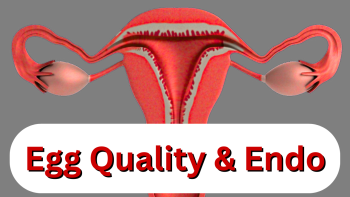
If you’re living with Endometriosis and want to start or grow your family, you may be worried about your fertility. You might have heard that Endometriosis can make it harder to conceive—but what often goes unmentioned is the impact it can have on egg quality.
Egg quality isn’t about how many eggs you have—it’s about how healthy those eggs are and how capable they are of being fertilised, developing into a healthy embryo, and leading to a successful pregnancy. Let’s explore how Endometriosis influences egg quality and, importantly, what you can do to improve it.
Why Egg Quality Matters
Each month, your ovaries release an egg through ovulation. But that egg’s journey starts long before—it takes around 90 days for an immature egg to fully mature. During this time, it needs the right environment, nutrients, and hormonal support.
Healthy eggs are more likely to fertilise successfully and less likely to have chromosomal problems. Poor egg quality, on the other hand, can increase the risk of failed fertilisation, early pregnancy loss, or genetic abnormalities.
How Endometriosis Impacts Egg Quality
Inflammation damages eggs
Endometriosis is a chronic inflammatory condition. That inflammation doesn’t just affect your pelvic organs—it can affect your eggs too. Inflammatory chemicals can damage egg cells, reducing their ability to develop normally.
Mitochondrial dysfunction
Mitochondria are the “power plants” inside your cells, producing the energy an egg needs to mature. In Endometriosis, mitochondrial function can be impaired, meaning the egg has less energy for healthy development. This energy shortage can increase the risk of chromosomal damage.
Endometriomas interfere with ovary function
Endometriomas, or “chocolate cysts,” can disrupt the normal structure of your ovaries. Depending on their size and location, they may reduce the number of healthy follicles or interfere with the release of an egg during ovulation.
Nutrition’s Role in Egg Quality
The good news is that while you can’t change every factor, diet and lifestyle can make a significant difference.
Reduce inflammation
- Remove gluten, dairy, and processed foods from your diet.
- Identify and avoid personal food intolerances.
- Focus on anti-inflammatory foods like leafy greens, berries, oily fish, nuts, and seeds.
Increase antioxidant intake
Oxidative stress is a major driver of egg damage. Antioxidants—found in colourful fruits, vegetables, green tea, and certain supplements—help protect egg cells.
Consider targeted supplements
- Coenzyme Q10 (CoQ10): Supports mitochondrial energy production.
- Omega-3 fatty acids: Reduce inflammation.
- Vitamin D: Important for hormone balance and immune health.
Always consult a qualified practitioner before starting supplements.
Support hormonal health
Balanced hormones are key for egg maturation. Eating adequate protein, healthy fats, and fibre can help maintain stable blood sugar levels and support hormone balance.
Give It Time
Because eggs take about three months to mature, any changes you make now will affect the eggs that are released in three to four months. Think of it as planting seeds—you need to prepare the soil well before you expect them to grow.
Having Endometriosis doesn’t mean you’ll never conceive—but improving your egg quality can give you the best possible chance. With a targeted nutrition plan, anti-inflammatory lifestyle, and patience, you can take back some control over your fertility journey.
I’ve created a free guide that explains how you can use diet and supplements to help improve your fertility. It’s called “5 strategies to improve your fertility naturally“ and you can download it here: https://www.subscribepage.com/5strategiesimprovefertilitynaturally