Vaping and Endometriosis: The Link You Need to Know About

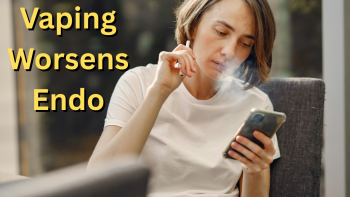
You may have never smoked or vaped yourself, but chances are you’ve walked through a cloud of sweet-smelling vapour or know someone who’s switched from smoking to vaping thinking it was the “healthier” choice. The reality? Vaping may seem cleaner than smoking, but it still carries serious health risks—especially if you have endometriosis or are trying to conceive.

The Hidden Dangers of Vaping

Vaping, or using e-cigarettes, involves inhaling a vapour made up of water and a cocktail of added chemicals that produce flavour and scent. Although it doesn’t produce smoke like traditional cigarettes, vaping introduces a range of toxic substances into your body.

These include:

  • Formaldehyde – found in disinfectants, known to cause cancer.
  • Chlorine – the main ingredient in bleach.
  • Benzene – used in bug sprays and known to damage DNA.
  • Acrolein – a component of weed killers, toxic to the lungs and heart.
  • Isonicotine – used in rat poison and highly damaging to internal organs.

Even more concerning, the heating element in e-cigarettes often releases toxic metals like mercury and lead, which you then inhale. These metals don’t come from the liquid itself but from the vape device. Studies have found higher levels of heavy metals in people who vape than those who smoked cigarettes—raising serious concerns for long-term health.

Vaping Increases Inflammation

If you have endometriosis, this next point is critical. Endometriosis is an inflammatory condition. Your immune system is already in overdrive, producing pro-inflammatory cytokines that drive pain, fatigue, and other symptoms.

Vaping increases inflammation in the body. Those toxic particles inhaled into your lungs don’t just stay there—they enter your bloodstream and circulate throughout your body. This systemic inflammation can aggravate your endometriosis, worsening symptoms and potentially speeding up the progression of the disease.

What About Fertility?

If you’re trying to conceive, vaping poses another risk. Many of the chemicals and metals found in e-cigarette vapour can damage DNA, which is the last thing you want when producing high-quality eggs and embryos. Damaged DNA affects fertility outcomes and increases the risk of miscarriage or complications.

In short, vaping isn’t just bad for your lungs—it could directly impact your ability to get pregnant and carry a healthy pregnancy.

Vaping and Gut Health

We now know that gut health is foundational to overall wellbeing, especially for people with endometriosis. Many already suffer from leaky gut and a disrupted gut microbiome.

Vaping compounds this issue. Research shows it:

  • Reduces the diversity of healthy gut bacteria
  • Increases gut permeability, making leaky gut worse
  • Drives dysbiosis, where harmful bacteria outnumber beneficial ones

A healthy gut helps manage inflammation, supports your immune system, and balances hormones—all essential for managing endometriosis naturally. Vaping works directly against this.

Second-Hand Vapour Is Still a Risk

Even if you don’t vape, being around others who do can still impact your health. Those sweet-smelling vapours contain fine particles that linger in the air. If you can smell it, you’re breathing it in—and absorbing those same chemicals and metals.

So if someone close to you vapes, encourage them to do it away from you. And if you vape yourself, now is the time to rethink it, especially if you’re working to reduce inflammation, support your fertility, or heal your gut.


If you’d like to talk to me more about vaping and Endometriosis, or any other concerns regarding your Endometriosis, book a complimentary Endometriosis Discovery Call now: https://theendometriosisnutritionist.online/endometriosis-discovery-call/
Optimising for a Healthy Embryo: It Takes Two to Do the Fertility Tango

When it comes to fertility, it truly takes two to do the fertility tango. Many women with endometriosis work hard to optimise their fertility, focusing on egg quality and overall reproductive health. However, it’s essential to remember that a healthy embryo requires both partners to play a role in fertility optimisation.

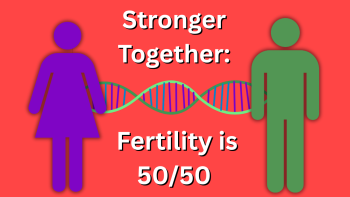
Endometriosis can directly impact egg quality by affecting the DNA of the eggs, increasing the risk of chromosomal abnormalities—one of the leading causes of early pregnancy loss. But even if a woman does everything possible to improve her egg quality, she can only control 50% of the equation. The other 50% of a healthy embryo’s DNA comes from sperm, and poor sperm quality can significantly impact fertility outcomes.

Sperm quality is influenced by many factors, including age, exposure to toxins, heavy metals, and plastics. While men produce new sperm regularly, the environment in which sperm are created matters. Toxins, pollutants, and lifestyle factors can damage sperm DNA, reducing the chances of a healthy embryo.

To improve sperm quality and create a healthy embryo, men can adopt the same fertility-friendly habits often recommended to women. These include avoiding plastic containers, especially for food and water, reducing exposure to heavy metals and environmental toxins, and minimising the use of scented products, including aftershave, shampoos, and laundry detergents. Opting for stainless steel or glass containers and wearing a face mask when exposed to fumes can help reduce exposure to harmful substances.

Given the complexity of male fertility, men experiencing fertility challenges should seek support from a natural health practitioner specialising in male fertility. A targeted approach can address specific factors that affect sperm quality and overall reproductive health.

A healthy embryo is the result of two partners working together to optimise their fertility. While women often carry the bulk of the fertility journey, male partners also have a crucial role to play. A holistic approach, where both partners commit to making healthier lifestyle choices, increases the chance of conception and a healthy pregnancy.

So, remember—it truly takes two to do the fertility tango. When both partners prioritise their reproductive health, the chance of creating a healthy embryo and achieving a successful pregnancy is far greater.


If you'd like to explore how you can improve your fertility naturally, download my free guide: 5 strategies to improve your fertility guide

Book a complimentary Endometriosis Discovery Call with me to discuss what your options are for improving your fertility as a woman: https://theendometriosisnutritionist.online/endometriosis-discovery-call/
Early Pregnancy Loss & Endometriosis: Can You Reduce the Risk?

If you’re living with endometriosis, you may already know it impacts many aspects of fertility. One particularly devastating effect can be an increased risk of early pregnancy loss, defined as a miscarriage occurring within the first three to four months of pregnancy.

Understanding why endometriosis raises this risk can help you take proactive steps to improve your chances of a healthy pregnancy. While it’s a challenging topic, there is hope: nutrition can play a powerful role in reducing these risks.

Let’s explore six ways endometriosis contributes to early pregnancy loss and how nutritional strategies can help.

  1. Chromosomal Abnormalities

Chromosomal abnormalities account for 50–70% of early pregnancy losses in the first trimester. These occur when the embryo’s DNA contains abnormalities, making normal development impossible.

Endometriosis can affect egg quality, which starts its journey to maturation four months before ovulation. The process of cell division in eggs (known as meiosis) requires a tremendous amount of energy. Unfortunately, endometriosis reduces the egg’s ability to produce this energy, increasing the likelihood of DNA damage and chromosomal abnormalities.

Improving egg quality through targeted nutrition and supplements can support healthy energy production and reduce this risk.

Learn more about the importance of egg quality in this video: https://www.youtube.com/watch?v=LWkO2LKTjlE

  1. Hormonal Imbalances

Hormonal imbalances are common in endometriosis. Although the condition itself isn’t caused by hormones, it’s heavily influenced by them.

Progesterone is critical for maintaining pregnancy, as it thickens the uterine lining to support implantation. However, many with endometriosis experience progesterone resistance, leading to a uterine lining that isn’t optimal for embryo implantation.

Nutrition can help balance hormones, improving progesterone function and promoting a healthier uterine environment.

  1. Chronic Inflammation

Endometriosis is an inflammatory disease, and chronic inflammation affects the pelvic region, including the uterus.

Research shows that a uterus with heightened inflammation creates a hostile environment for embryos, making implantation difficult or impossible.

By following an anti-inflammatory diet, you can calm the inflammation and provide a healthier environment for an embryo to implant and thrive.

  1. Altered Immune Response

Endometriosis can cause an overactive immune system, which may mistakenly treat an embryo as a foreign invader. This response can interfere with placenta development and even attack the embryo, leading to early pregnancy loss.

Targeted nutrition can reduce immune overactivity by removing inflammatory triggers like food intolerances, processed foods, and pesticides, giving your body a better chance to support pregnancy.

  1. Reduced Endometrial Receptivity

Endometriosis disrupts the proteins and genes involved in embryo implantation. This results in a “disrupted window of implantation,” where the uterine lining is less receptive to an embryo and less capable of supporting its development.

A nutrient-dense diet, rich in vitamins and minerals that support uterine health, can improve receptivity and help sustain a pregnancy.

  1. Oxidative Stress

Endometriosis increases oxidative stress in the reproductive system, generating free radicals that damage eggs, fallopian tubes, and the uterine lining.

Antioxidants act as your body’s defense system, neutralizing these free radicals. Incorporating antioxidant-rich foods into your diet can protect your reproductive cells and improve your chances of a healthy pregnancy.


Nutrition: A Powerful Ally

While endometriosis increases the risk of early pregnancy loss, it’s not an unchangeable fate. Nutrition offers a tangible way to reduce this risk by:

  • Supporting egg quality and energy production.
  • Reducing inflammation with anti-inflammatory foods.
  • Enhancing hormonal balance and uterine health.
  • Calming an overactive immune system.
  • Providing antioxidants to combat oxidative stress.

The beauty of nutritional changes is that they’re within your control. By making informed choices, you can take proactive steps to improve your chances of a healthy pregnancy.

Endometriosis may make the journey to parenthood more challenging, but with the right tools and strategies, hope remains strong.

So where to start? Get some advice about how all this may work for you. Book a complimentary Endometriosis Discovery Call with me to discuss what your options are: https://theendometriosisnutritionist.online/endometriosis-discovery-call/
Nausea in Endometriosis: where does it come from?

Nausea isn’t always the first symptom people with Endometriosis want to tackle, but it’s more common than you might think. Research suggests that 50-85% of those with Endometriosis experience queasiness regularly, often alongside bloating, constipation, or diarrhoea. It can also worsen during menstruation due to hormonal fluctuations.

If this is something you struggle with, understanding its root causes is the first step to finding relief. Here are six scientifically supported reasons why nausea is a common symptom of Endometriosis:

  1. Chronic, systemic inflammation

Endometriosis is an inflammatory disease, which means there is chronic, systemic inflammation throughout the body. This inflammation is also found in the digestive system, leading to discomfort and nausea. Inflammatory mediators, such as cytokines and prostaglandins, are released, and they can disrupt normal digestion, making nausea worse.

  1. Gastrointestinal involvement

Endometriosis lesions can grow on or near the gastrointestinal (GI) tract, including the intestines and rectum. When this happens, digestion can be disrupted, leading to irritation, bloating, and the sensation that you need to throw up —especially around the time of menstruation.

  1. Hormonal fluctuations

Endometriosis is hormone-driven, primarily influenced by oestrogen. Many people experience worsened nausea just before or during their period due to a sudden drop in progesterone and a rise in prostaglandins. These fluctuations can disrupt smooth muscle function in the digestive tract, leading to nausea and other digestive issues.

  1. Prostaglandin overproduction

Prostaglandins are inflammatory chemicals that increase during pain and inflammation. High levels of prostaglandins can trigger uterine contractions, cramping, and gastrointestinal symptoms, including nausea. When these levels are excessive, they stimulate muscle contractions in the stomach and intestines, leading to queasiness and discomfort.

  1. Endometriosis lesions and adhesions

Endometriosis tissue and the scar tissue (adhesions) that form can cause organs like the intestines to stick together or to other structures in the pelvic cavity. This can physically disrupt digestion, leading to nausea, especially if adhesions interfere with normal bowel movements.

  1. Food intolerances and sensitivities

Many individuals with Endometriosis experience food intolerances, which can contribute to nausea. Common triggers include gluten and dairy, but any food can cause an immune response if gut health is compromised. When you consume a food that your body struggles to process, it can lead to inflammation in the digestive tract, delayed gastric emptying, bloating, and nausea.

Additionally, enzyme deficiencies in Endometriosis sufferers can make it harder to break down proteins, fats, and carbohydrates, leading to undigested food entering the intestines and causing irritation. If food sits in the stomach too long, it can cause fullness, bloating, reflux, and queasiness.

The gut-brain connection

The gut and brain communicate through the gut-brain axis, which plays a significant role in nausea. Chronic inflammation can make the nerves in the gut hypersensitive, sending false danger signals to the brain and triggering nausea, even when there’s no real threat.

Over time, the nervous system can become conditioned to expect nausea in response to bloating or discomfort. This is why even after removing food triggers, some people still experience lingering nausea—it takes time for the gut-brain axis to recalibrate.

Finding relief

If nausea is one of your key symptoms, addressing gut health and reducing inflammation is crucial. As a nutritionist, my approach involves:

  • Identifying and eliminating food intolerances
  • Healing the gut lining to reduce inflammation
  • Supporting the gut-brain axis to retrain the nervous system

While common remedies like ginger may provide temporary relief, they won’t resolve the underlying issue if inflammation and immune responses are still present. Addressing nausea holistically through diet and gut health support can lead to long-term improvements.


Nausea in Endometriosis highlights the deep connection between the reproductive and digestive systems. It can be a frustrating symptom to manage, but with the right approach, significant relief is possible. If this is a major issue for you, don’t just accept it—there are effective strategies to reduce and even eliminate nausea over time.


To discuss how we can tweak your current diet to reduce your Endometriosis nausea, and other symptoms, book a complimentary Endometriosis Discovery Call now.

Heavy bleeding and Endometriosis: what’s really happening?

Heavy menstrual bleeding is one of the most common symptoms of endometriosis, affecting around 40-60% of those with the condition. Whether your period lasts longer than usual, is extremely heavy, or both, it can have a significant impact on your daily life. If you’ve been dealing with unpredictable, excessive bleeding, you’re not alone—and there are reasons why this happens. Let’s break down what’s going on in your body and what you can do to help manage it.

Why does endometriosis cause heavy bleeding?

Endometriosis is a condition where tissue similar to the lining of the uterus (endometrium) grows outside the uterus. This misplaced tissue responds to hormonal changes just like the uterine lining does, but because it has no way to exit the body, it can lead to inflammation, scarring, and other complications—including abnormal bleeding. Here are four main reasons why endometriosis can cause heavy or prolonged periods:

  1. Disruptions from Endometriosis tissue

Even though endometriosis tissue grows outside the uterus, it can still impact the uterus itself. It disrupts the natural shedding process of the uterine lining, leading to heavier and/or longer periods. In some cases, this can also cause spotting between periods.

  1. Chronic inflammation

Inflammation is a key player in endometriosis. The immune system reacts to the misplaced endometrial-like tissue, creating a state of chronic inflammation. This triggers the release of prostaglandins—compounds that can increase menstrual cramping and heavy bleeding. Chronic inflammation also affects how the uterus contracts, which can contribute to excessive bleeding.

  1. Hormonal imbalances

Although endometriosis is not a hormonal disorder, it is hormone-dependent—particularly influenced by estrogen. High estrogen levels can lead to the thickening of the uterine lining, meaning there is more tissue to shed during menstruation. Additionally, endometriosis tissue itself can produce estrogen, further fueling the cycle of excessive bleeding.

  1. Scar tissue and adhesions

Endometriosis often causes scar tissue and adhesions—bands of fibrous tissue that stick organs together. These adhesions can alter the shape and position of the uterus, leading to abnormal menstrual flow and heavy bleeding.

How to manage heavy bleeding with Endometriosis

While medical treatments like surgery or hormonal therapies are often recommended, nutrition can play a powerful role in managing symptoms naturally. Reducing inflammation through diet is one of the best ways to help regulate your cycle and ease heavy bleeding.

  1. Focus on anti-inflammatory foods

Eating a diet rich in anti-inflammatory foods can help reduce the chronic inflammation that worsens endometriosis symptoms. Try incorporating:

  • Leafy greens like spinach and kale
  • Fatty fish (salmon, sardines, mackerel)
  • Nuts and seeds (walnuts, flaxseeds, chia seeds)
  • Berries (blueberries, strawberries, raspberries)
  • Turmeric and ginger
  1. Balance your hormones naturally

Since excess estrogen can contribute to heavy bleeding, supporting hormone balance is key. Reduce exposure to environmental estrogen-like chemicals (found in plastics and certain beauty products) and support your body’s natural detoxification processes by eating fiber-rich foods like whole grains, legumes, and cruciferous vegetables.

  1. Support iron levels

Heavy periods can lead to iron deficiency, which can make you feel even more fatigued. Boost your iron intake with foods like:

  • Lean red meat
  • Lentils and beans
  • Dark leafy greens
  • Pumpkin seeds

Pairing iron-rich foods with vitamin C sources (citrus fruits, capsicum, tomatoes) can enhance absorption.

Final Thoughts

Heavy bleeding with endometriosis isn’t just an inconvenience—it can be life-altering. Understanding the root causes can help you make informed choices about your health, from medical treatments to lifestyle and dietary changes. While there’s no one-size-fits-all solution, taking steps to reduce inflammation, balance hormones, and nourish your body can make a real difference in your quality of life.

If this resonates with you and you’d like to explore how nutrition can support your journey with endometriosis, I’d love to help. Book your complimentary Endometriosis Discovery Call to learn more about personalised strategies to ease your symptoms and regain control of your health.

The hormones-gut connection

How hormones impact endometriosis (and why addressing inflammation matters more)

If you live with endometriosis, you’ve likely heard about hormones like oestrogen and progesterone and their role in this condition. While hormones play a significant role in endometriosis, it’s important to remember that endometriosis is primarily an inflammatory disease. Understanding how hormones affect your body is essential, but the key to managing endometriosis lies in reducing inflammation.

Let’s explore the role of hormones in endometriosis and why focusing on inflammation can make a significant difference.

The menstrual cycle and hormones

Your menstrual cycle is typically divided into two main phases: the follicular phase (day 1 of your period to ovulation) and the luteal phase (from ovulation to the first day of your next period). Each phase is characterized by different hormonal changes:

  1. Follicular phase:
    • Oestrogen levels start low but gradually rise, peaking just before ovulation.
    • This rise in oestrogen thickens the uterine lining (endometrium) in preparation for a potential pregnancy. Unfortunately, for those with endometriosis, this same hormone stimulates the growth and thickening of endometrial-like tissue outside the uterus.
    • This can lead to pain, particularly during ovulation, as the growing tissue reacts to hormonal changes.
  2. Luteal phase:
    • After ovulation, progesterone levels increase to support the uterine lining. However, in endometriosis, this hormone also thickens endometrial-like tissue, contributing to discomfort.
    • Both oestrogen and progesterone levels drop before your period, signalling the shedding of the uterine lining and the endometriosis tissue. This shedding can result in significant pain and inflammation.

The role of oestrogen in endometriosis

Oestrogen is a major player in endometriosis. Interestingly, research shows that endometriosis lesions can produce their own oestrogen, further fuelling their growth. Elevated oestrogen levels not only exacerbate pain and inflammation but also contribute to premenstrual symptoms like irritability, anxiety, and depression.

High oestrogen levels also trigger the release of prostaglandins, which cause uterine contractions. For those with endometriosis, this can mean extra painful cramping, especially if you also have adenomyosis (a condition where endometrial tissue grows within the uterine muscle).

Why progesterone matters

Progesterone, often referred to as the “calming” hormone, balances oestrogen’s effects. However, many individuals with endometriosis either have low progesterone levels or insufficient progesterone to counterbalance high oestrogen levels. This imbalance can worsen mood swings and exacerbate endometriosis symptoms.

Hormone metabolism and your body’s detox systems

Once hormones like oestrogen have done their job, your body needs to metabolize and excrete them. This process relies on your liver and kidneys to convert oestrogen into a water-soluble form that can be eliminated. If these systems don’t function optimally, excess oestrogen may remain in your body, adding to your hormonal load and worsening symptoms.

Here’s where the gut plays a surprising role: the gut microbiome helps regulate hormone metabolism. A healthy gut supports the liver’s ability to process hormones effectively. However, those with endometriosis often experience gut issues like leaky gut, which impairs nutrient absorption and contributes to chronic inflammation. Without adequate nutrients, your body struggles to metabolize hormones efficiently, perpetuating a cycle of hormonal imbalance and inflammation.

How physical activity helps

Physical activity is a powerful tool for managing hormone levels. Regular movement, such as walking or light exercise, reduces circulating oestrogen levels and has been shown to alleviate premenstrual symptoms. Incorporating physical activity, especially in the luteal phase, can also help slow the growth of endometriosis tissue by lowering free oestrogen levels.

Why reducing inflammation is crucial

Hormones undoubtedly influence endometriosis, but inflammation is the driving force behind its progression. Inflammatory processes increase blood flow to endometriosis lesions, providing them with the nutrients they need to grow. By addressing inflammation, you create an environment where endometriosis is less likely to thrive.

Key strategies to reduce inflammation include:

  • Healing your gut: supporting gut health improves nutrient absorption and hormone metabolism. Here is an article about improving your gut health.
  • Optimising your diet: ensuring you get the nutrients your body needs to balance hormones and fight inflammation.
  • Staying active: movement supports hormone regulation and reduces systemic inflammation.

By focusing on inflammation and supporting your body’s natural processes, you can better manage endometriosis and improve your overall well-being.

To discuss how we can tweak your current diet to reduce inflammation and reduce your Endometriosis symptoms, book a complimentary Endometriosis SOS Call now.

How do I create the best solutions to help you

You may have been following me for quite some time, or you may be new to me. But either way, I thought it might be nice for you to get to know me a bit better.

In this video I’m sharing my thoughts. And I need your help! I want to be able to create services and resources that are really helpful for you, and I need your input for that.

Please complete this short survey to help me get started: https://www.surveymonkey.com/r/QFW5XLK


To eat meat or not, is that the question?

So, maybe you’ve done your research on diet and Endometriosis and are thinking about cutting meat from your diet. Before you switch to a fully plant-based diet, here are some key things to consider about your health and your Endometriosis. Because, as with all things diet, it’s not that simple.

The inflammatory effect of meat

Meat like beef, pork, and even less common meats like venison, can increase inflammation, which may worsen symptoms of inflammatory diseases, such as Endometriosis. Studies often highlight this link when discussing heart disease, but it’s also relevant for managing inflammatory conditions.

But the reason for this is that our current diet typically includes far too much. Historically, people may have eaten meat only occasionally due to the availability of hunted animals. Now, however, it often features in daily meals, sometimes in every meal. In high amounts, this can lead to increased inflammation, which can worsen the symptoms of Endometriosis. So, does that mean you should eliminate meat entirely?

Meat and iron absorption

Iron deficiency is common among those with endometriosis, especially if you experience heavy and/or long bleeding. Meat is an excellent source of haem iron, a form of iron that is readily absorbed by the body. While plant-based foods also contain iron, they contain non-haem iron which is generally less bio-available and not as easily absorbed. That makes it harder to meet iron needs if you rely solely on plant-based sources.

A small portion of meat—no more than twice a week and about the size of your palm—can provide a beneficial amount of iron without significantly increasing inflammation. This balance can be crucial for those who experience iron deficiency anaemia due to heavy or prolonged periods, a common issue among people with endometriosis.

Eating right for your Endometriosis

But it’s about more than iron. Wholefood animal products provide other essential nutrients such as protein, vitamin B12, and zinc. Now while you can get enough protein and B vitamins from plant-based food with a bit of careful meal planning, zinc is a whole other matter. It is a key nutrient that supports the immune system but is only found in useful quantities in animal products. It is also a key nutrient for the production of progesterone, which can often be low in Endometriosis. Even more concerning is that your body needs 2 minerals, zinc and copper, in a specific ratio (2 zinc for 1 copper). When you eat fully plant-based, you will easily get enough copper in your diet, but virtually no zinc. This means this zinc/copper balance is out and that has a direct impact on your immune system, as well as your hormones.

There are many considerations when deciding to include or exclude meat from your diet. If your main reason for excluding it from your diet is to improve your health, you may want to reconsider. Eaten occasionally, in small portions and preferably organic, could help provide key nutrients your body needs to reduce inflammation and reduce your Endometriosis symptoms. Cutting it out entirely might increase the risk of nutrient deficiencies which can increase your inflammation and worsen your Endometriosis.


If the idea of eating meat is really uncomfortable for you, consider a pescatarian diet that also includes eggs. It will provide you with enough protein and zinc. And add plant-foods high in iron with every meal as well.


If you’d like to have a personal chat about how we can create the right diet for your Endometriosis, book your complimentary Endometriosis SOS Call: https://theendometriosisnutritionist.online/endometriosis-sos-call/

Is IBS to blame for your digestive problems?

Today, let’s dive into a topic many of my clients face during their journey toward better health—digestive issues and whether they are linked to irritable bowel syndrome (IBS) or endometriosis. If you're living with endometriosis and experiencing gut problems, you might be wondering: Do I have IBS, or is this just another symptom of my endometriosis? Let's explore these questions and how you can take control of your symptoms.

What is IBS?

Irritable Bowel Syndrome (IBS) is a common condition that affects the large intestine, leading to symptoms like:

  • Stomach cramping
  • Bloating
  • Flatulence
  • Diarrhea, constipation, or both

Sound familiar? These symptoms often overlap with endometriosis, which makes it tricky to determine whether they stem from IBS, endometriosis, or both.

If you were diagnosed with IBS a few years ago, you were probably told that IBS is triggered by certain foods, particularly FODMAPs—carbohydrates found in some fruits and vegetables that your body struggles to digest. These undigested carbs ferment in the gut, causing IBS symptoms.

For many, a low-FODMAP diet helped manage IBS symptoms. But if you have endometriosis, focusing only on IBS might miss the bigger picture.

Endometriosis and Gut Symptoms

It’s only in recent years that we’ve started recognizing how gut issues can be tied to endometriosis. In the past, doctors wouldn’t consider your digestive problems unless they were related to your menstrual cycle, like period pain or infertility. But now, we know that digestive symptoms are often part of the wider symptom profile of endometriosis.

One of the challenges with IBS is that there isn’t a specific test for diagnosing it. It’s more a matter of ruling out other conditions, like coeliac disease or inflammatory bowel disease. So, it’s not uncommon for someone with endometriosis to be diagnosed with IBS based on gut symptoms alone, especially if those symptoms overlap.

Gut Health: IBS or Endometriosis?

Here’s the key: if you have endometriosis and experience digestive symptoms, it might not be IBS. You could be dealing with:

  • Leaky gut syndrome
  • Gut dysbiosis (an imbalance in gut bacteria)
  • Food intolerances

These gut issues can trigger similar symptoms to IBS, but treating them requires a different approach. For example, while a low-FODMAP diet might help some people with IBS, it could be too restrictive and cause more harm for someone with endometriosis.

The Role of Stress and Emotions in Gut Health

Both IBS and endometriosis share another important link—stress. We know that the gut and brain communicate closely, and when your gut is “irritable,” it can send distress signals to your brain, triggering further gut symptoms. Stress and emotions can play a huge role in worsening these digestive issues.

Inflammation from endometriosis can also affect the nerve endings in your gut, disrupting healthy brain-gut communication. Add stress into the mix, and it becomes a vicious cycle. Stress can also negatively impact your gut bacteria, worsening gut symptoms.

Food Intolerances and Endometriosis

Another factor to consider is food intolerances. Removing specific foods can help manage symptoms, but it’s important not to cut out too many foods—especially if they provide essential nutrients. For example, gluten intolerance and dairy intolerance are both common among women with endometriosis, but not everyone with endometriosis is sensitive to all FODMAPs.

Instead of following a broad low-FODMAP diet, it's crucial to figure out your specific intolerances. For some, this might include high-FODMAP foods like apples, but for others, it could be a different food altogether. Personalized nutrition is key to managing both endometriosis and IBS-like symptoms effectively.

The truth is, whether your gut symptoms are caused by IBS or endometriosis might not matter as much as treating the symptoms themselves. Both conditions involve gut inflammation, stress, and food intolerances, and the focus should be on healing your gut and reducing inflammation. This includes:

  • Identifying and eliminating problem foods
  • Supporting gut health with nutrient-rich foods
  • Managing stress

If you've been told to go on a low-FODMAP diet and you have endometriosis, it's worth reconsidering. Talk to me about your symptoms first, and let’s explore less restrictive ways to manage your digestive health while still getting the nutrients your body needs.


If you’d like to have a personal chat about how we can find out what is really behind your gut symptoms, book your complimentary Endometriosis SOS Call: https://theendometriosisnutritionist.online/endometriosis-sos-call/