Why going gluten-free is essential

Living with endometriosis can be overwhelming, especially when it comes to managing pain and other symptoms. One crucial dietary change that has gained significant attention in research is going gluten-free. If you're dealing with endometriosis, removing gluten from your diet may lead to significant improvements in pain, gut health, and overall well-being. In this post, we’ll dive into why gluten is problematic, the benefits of going gluten-free, and practical tips for making this transition easier.

Why gluten-free?

In 2012, an important study explored the connection between a diet without gluten and pain reduction in endometriosis patients. Over a 12-month period, participants followed a strict gluten-free diet. What’s remarkable is that 70% of the participants stayed on the diet, despite the challenges of cutting out gluten. This strongly suggests they experienced notable improvements in their symptoms, especially pain.

Around 75% of participants reported either a significant reduction in pain or complete pain relief after a year. Even more interestingly, 20-25% of participants who didn’t experience pain relief continued with the gluten-free diet. It’s likely they saw improvements in other symptoms, such as bloating, constipation, diarrhea, and fatigue, which we now know are common with endometriosis.

What makes gluten harmful?

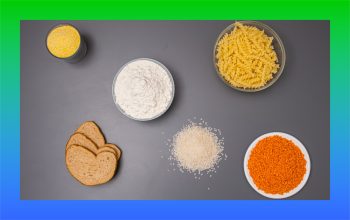
Gluten is a protein found in wheat, barley, rye, and spelt. It’s what gives dough its elasticity and chewy texture. However, for many people, particularly those with endometriosis, gluten can contribute to a host of issues.

One of the key problems with gluten is its effect on gut health. Gluten triggers the release of a chemical in the gut that weakens the intestinal lining, leading to leaky gut syndrome. Think of your gut as a brick wall; gluten breaks down the "mortar," allowing harmful substances, such as undigested food particles, to pass into your bloodstream. This triggers an immune response and increases inflammation, a major driver of endometriosis symptoms.

Symptoms of gluten sensitivity

When your body struggles with gluten, you may experience a range of symptoms:

  • Digestive issues: bloating, gas, diarrhea, or constipation
  • Fatigue: a general sense of low energy or "brain fog"
  • Headaches: migraines and persistent headaches
  • Gut discomfort: discomfort after meals or feelings of fullness

For those with endometriosis, these symptoms can worsen overall discomfort, making gluten a key target for elimination.

Benefits of removing gluten for endometriosis

Removing gluten from your diet offers significant potential benefits:

  • Pain reduction: As seen in the research, a gluten-free diet can reduce pain for many.
  • Better digestion: Less bloating, diarrhea, and constipation after meals.
  • Improved energy: A reduction in brain fog and fatigue, often within a few weeks.
  • Lower inflammation: Less gluten means less inflammation, which can reduce the severity of all your endometriosis symptoms.

How to transition to a gluten-free diet

The thought of cutting out gluten can seem daunting, but with the right strategy, it’s manageable. Here are some practical tips to get you started:

  1. Start slow: You don’t need to overhaul your entire diet overnight. Begin with one meal, like breakfast, and focus on making it free of gluten. Once you’re comfortable, move on to lunch, dinner, and snacks. This gradual approach makes the transition less overwhelming and easier to stick to.
  2. Plan your meals: Meal planning is crucial. Make sure you have the ingredients you need to prepare gluten-free meals. For example, swap out wheat-based products for alternatives like quinoa, brown rice, or buckwheat.
  3. Be wary of processed foods: Gluten can sneak into many processed foods, especially sauces and condiments, as they are often thickened with flour. Check labels carefully or opt for fresh, whole foods when possible.
  4. Choose gluten-free grains: Grains like quinoa, millet, brown rice, and corn are naturally gluten-free and can replace wheat in many recipes.
  5. Bake your own bread: Store-bought gluten-free bread can be heavily processed. If you enjoy baking, consider making your own gluten-free bread using whole, clean ingredients. To make it easier, you can bake several loaves at a time and freeze them for convenience.

Going gluten-free is worth the effort

If you haven’t yet tried going gluten-free, it’s worth giving it a shot. Whether or not pain relief comes immediately, other symptoms like bloating and fatigue are likely to improve. Take it one step at a time, and before you know it, you’ll see your symptoms reduce.

Remember, endometriosis can be complex, and results will vary, but many have found that removing gluten brings a noticeable improvement. I'd love to hear your experiences—drop a comment or send me an email to share how a gluten-free diet is working for you!


If you’d like to have a personal chat about how going gluten-free or any other diet changes can help reduce your endometriosis symptoms, book your complimentary Endometriosis SOS Call: https://theendometriosisnutritionist.online/endometriosis-sos-call/

Fatigue is now the most common symptom I see in my clients

Over the past year or so, fatigue has become one of the most common symptoms I see in my clients. Although bloating has traditionally been number 1, fatigue now frequently ranks as the top issue. This shift in symptoms has prompted many to question why fatigue is so prevalent in Endometriosis and, more importantly, how to overcome it.

Fatigue in Endometriosis is not the same as the tiredness you might experience after a poor night’s sleep. It’s a deep, unrelenting exhaustion that doesn’t improve with rest. Even after a full night’s sleep, you may wake up feeling as tired as before. This type of fatigue can be accompanied by brain fog and an inability to focus, often making daily tasks feel like walking through mud.

There are several key reasons why fatigue is so common in Endometriosis. The first is nutrient deficiencies. When you have Endometriosis you’re likely to suffer from gut issues, such as bloating or alternating constipation and diarrhea, which point to a condition known as leaky gut. This condition prevents the gut from properly absorbing nutrients, leading to deficiencies. Despite eating a nutrient-rich diet, your body may not be able to absorb the vitamins and minerals it needs, especially those crucial for energy production like B vitamins, iron, and vitamin D.

The second factor is food intolerances. Almost all my clients are intolerant to common foods like gluten and dairy. When these foods pass through the gut, their undigested proteins can enter the bloodstream and even cross the blood-brain barrier. Once in the brain, these proteins act as opiates, which can lead to that foggy, sluggish feeling. Additionally, food intolerances worsen leaky gut, further exacerbating nutrient deficiencies and fatigue.

Another significant contributor to fatigue is the fact that Endometriosis is a chronic disease. Living with Endometriosis often means dealing with symptoms that dominate your daily life, which can be extremely stressful. Stress, in turn, increases inflammation in the body, and since Endometriosis is an inflammatory condition, this creates a vicious cycle. The body is in a constant state of high alert, and the immune system is always working overtime, using up valuable energy and nutrients.

Finally, many of my clients also experience sleep disturbances. Poor sleep, because of pain or other symptoms, can increase inflammation, worsen fatigue, and further tax the immune system.

In some cases, fatigue may also be linked to an underactive thyroid. It’s common for thyroid issues to go hand in hand with Endometriosis, but because many thyroid tests only look for results in a "normal" range, the problem may go undiagnosed. Even at the low end of normal, thyroid function can still be impaired, contributing to fatigue.

So, how can you fight fatigue and increase your energy levels? The first step is to eliminate gluten and dairy from the diet. This helps to reduce fatigue and heal the gut, improving nutrient absorption. Additionally, getting more sun exposure is essential for raising vitamin D levels, which are often low when you have Endometriosis. Aiming for 10 to 20 minutes of sun exposure on unprotected skin can significantly boost energy.

Another important strategy is establishing a solid sleep routine. Gentle exercise, like yoga or walking, can help with winding down at night, but it’s important not to eat too close to bedtime, as digestion can interfere with restful sleep. Cutting off fluids by 7:00 PM can also reduce the likelihood of waking up in the middle of the night to go to the toilet.

Taking these steps can create a positive feedback loop where small improvements in energy lead to the motivation to make further changes. By addressing the root causes of fatigue in Endometriosis, you can start to reclaim their energy and improve your overall well-being.


If you’d like to have a personal chat about options to get more energy, book your complimentary Endometriosis SOS Call: https://theendometriosisnutritionist.online/endometriosis-sos-call/ 

Hidden toxins in your diet: what you need to know

When it comes to managing chronic conditions like endometriosis, reducing hidden toxins in your diet is key to minimising inflammation and improving overall health. But the truth is, even fresh, whole foods can contain harmful chemicals. Here’s what you need to know about where these toxins come from and how to reduce your exposure.

Where are hidden toxins coming from?

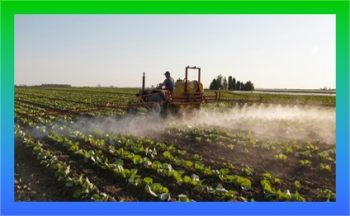
Many of the foods we purchase at the supermarket—fruits, vegetables, and even meat—are not as clean as we think. Farmers face enormous pressure to harvest quickly and in large quantities. To protect crops from diseases and increase yields, they often turn to chemicals like glyphosate, commonly known as Roundup.

Glyphosate is one of the most widely used pesticides, and it’s known to disrupt cell processes in the body, increase toxic load, and contribute to inflammation. While a healthy body can typically detoxify itself, if you have a chronic disease like endometriosis, you will struggle to eliminate these harmful substances, worsening your inflammation and making it harder to manage symptoms.

Washing isn’t enough

Unfortunately, simply washing your fruits and vegetables won’t remove these chemicals. Farmers use a waxy coating to prevent rain from washing pesticides off crops, meaning they stick to the produce long after harvest. You can often feel this waxy residue, especially on apples, even after washing them.

For some fruits and vegetables, soaking them in a saltwater or baking soda solution can help reduce the toxic load. A 10% saltwater or baking soda solution (1 part salt or baking soda to 10 parts water) or a 25% vinegar solution (one part vinegar to three parts water) can help dissolve these chemicals. Soak for 20 minutes and rinse of well with filtered water.

Organic food: the best solution

The most effective way to reduce your exposure to hidden toxins is to opt for organic produce whenever possible. Organic farming avoids the use of harmful pesticides and herbicides. However, organic produce is often more expensive due to the labour-intensive practices required to grow crops without chemicals.

If going fully organic isn’t an option for you, you can prioritise certain foods that are most heavily sprayed with pesticides. For instance, spinach, apples, strawberries, blueberries, grapes, and cherry tomatoes are among the most toxic-laden produce items. Starting with organic versions of these fruits and vegetables can make a significant difference in reducing your toxic load.

Foods you can worry less about

The good news is that some foods naturally carry fewer toxins, often because we don’t eat the skin. Bananas, melons, mangos, onions, pineapples, avocados, and kiwis are generally safe to buy non-organic. In these cases, the outer layers of the fruit or vegetable help shield the inner flesh from exposure to chemicals.

Meat and hidden toxins

It’s not just fruits and vegetables that carry hidden toxins—meat can also be a culprit. Non-organic meat often contains antibiotics and hormones that accumulate in the animal and end up on your plate. Reducing or avoiding processed and non-organic meats can help minimize your intake of these hidden toxins.

Start small, every bit helps

Reducing hidden toxins in your diet doesn’t have to be overwhelming. Start small by choosing organic versions of the most highly sprayed foods or soaking your produce when organic isn’t an option. Over time, these small changes can significantly reduce your exposure to harmful chemicals and help your body manage inflammation more effectively. And make sure to choose organic versions of your nut milks and butters!

By becoming more mindful of hidden toxins, you can take a big step toward supporting your overall health, especially when managing your endometriosis.


If you’d like to have a personal chat about options to reduce or remove toxins in your diet, book your complimentary Endometriosis SOS Call. 

Why do so many people with Endometriosis experience anxiety?

Anxiety and depression are common symptoms among those dealing with endometriosis, often playing a significant role in overall well-being. Even if these aren’t the main concerns my clients initially bring up, they frequently mention feelings of low mood or mood swings.

My journey into understanding anxiety and depression began when I studied psychology. In one of my early classes on clinical psychology, I learned that a significant factor in depression is the perception of a lack of control. This concept struck a chord with me, as I had struggled with low moods during my late teens and early twenties. Back then, mental health was often seen in black and white: either you had a serious mental illness, or you didn’t. But now we understand that mental health exists on a spectrum, and the sense of losing control can deeply impact your mental state.

This feeling of loss of control is common among those with endometriosis. Your symptoms can be unpredictable, making it hard to plan daily activities, which in turn can make life feel chaotic and unmanageable. The medical journey for can also add to this sense of helplessness, when you are bouncing between specialists, are prescribed various medications, or advised to undergo surgery.

However, there’s a silver lining: diet. The beauty of using nutrition as a tool to manage endometriosis is that it’s something you can control. By choosing what you eat, you take back some of the power that the disease may have taken from you. Many of my clients find that as they adjust their diets, their symptoms become less severe, giving them a renewed sense of control over their lives. This empowerment can significantly reduce feelings of depression, as it shifts the focus from what the disease dictates to what you can actively do to improve your health.

Beyond control, another critical factor in managing anxiety and depression is understanding the gut-brain connection. Recent research has revealed that our gut is home to a vast microbiome, a complex community of bacteria that plays a crucial role in our overall health, including our mental health. These gut bacteria produce chemicals that communicate with the brain, influencing our mood and emotions.

When you have endometriosis, your gut health is likely compromised. An imbalance in the gut microbiome, with too many harmful bacteria and not enough beneficial ones, can lead to a lack of the chemicals needed to regulate mood effectively. This imbalance can worsen feelings of anxiety and depression.

The solution lies in diet. A diet rich in fibre, fruits, vegetables, and fatty fish helps nourish the good bacteria in the gut. On the other hand, diets high in sugar and junk food feed harmful bacteria, further disrupting gut health and, by extension, mental health.

So, while anxiety and depression may feel overwhelming, it’s important to remember that they aren’t just “in your head.” The gut-brain connection plays a significant role, and by making mindful choices about what you eat, you can support your mental health. Think of your gut bacteria as your pets: feed it well, and they will reward you with a happier, healthier mindset.


If you’d like to have a personal chat about options to use your diet to manage your anxiety and other Endometriosis symptoms, book your complimentary Endometriosis SOS Call: https://theendometriosisnutritionist.online/endometriosis-sos-call/
The limitations of blood tests

Lately, I've been using some new testing methods in my programs, particularly hair analysis. This has prompted many clients to ask, "Why not just do a blood test?" Today, I want to share why it’s essential to look beyond blood tests.

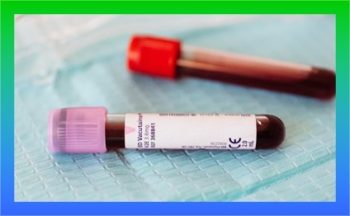
Let’s take a common scenario: you’re feeling fatigued and experiencing heavy bleeding, so your doctor suggests a blood test for iron deficiency. The results either confirm low iron levels, usually leading to a prescription for supplements. Or they show normal levels, leaving you with unanswered questions.

Blood tests only capture a brief moment in time, often reflecting just a few days’ worth of data. While it’s crucial to have adequate iron in the blood to transport oxygen, we also need to ensure that this iron reaches the tissues where it’s most needed.

Let me use an analogy to explain. Imagine a large group of people standing at a bus stop, waiting to get on the bus. The people are the nutrients in your diet, the bus is your blood stream. The people are waiting for the bus because they need to get to their destination – organs and tissues in the body that need the nutrients to function optimally.

When you check who’s on the bus at the next stop (the blood test) you can see who’s on the bus, but you don’t know if they’ll ever reach their destination! Nutrients like iron and vitamins may be present in the blood, but their journey to vital organs, bones, or even the brain isn’t guaranteed.

On the flip side, if a blood test reveals a deficiency, it may be that nutrients aren’t even making it onto the bus in the first place – there may be a problem with nutrient absorption.

This is where hair analysis comes into play. Unlike a blood test, which offers a brief glimpse, hair analysis provides a longer-term view of your nutrient status. The hair shaft acts like a time capsule, reflecting the nutrients that have made it into your tissues over time. And hair grows about a centimetre a month, meaning a few centimetres of hair can reveal several months of data.

For example, in my fertility program, I use a hair tissue mineral analysis test. Minerals are vital for growth, healing, and overall vitality, playing roles in everything from nerve function to enzyme activity. Since chronic conditions like Endometriosis often deplete these minerals, a hair analysis can be a powerful tool to assess long-term nutrient status and guide our approach to restoring balance.

Hair analysis also sheds light on food intolerances by revealing how your body reacts to specific foods over time.

So, while blood tests have their place, they’re only part of the picture. Hair analysis provides a more comprehensive view, helping us ensure that nutrients are not just present in the blood but are also reaching their destinations in the body where they can truly make a difference in your health and well-being.

And another big benefit: no needles involved!


If you’d like to have a chat about how hair testing can help you get a clearer picture of what’s going on and how to adjust your diet, book a complementary Endometriosis SOS Call: https://theendometriosisnutritionist.online/endometriosis-sos-call/
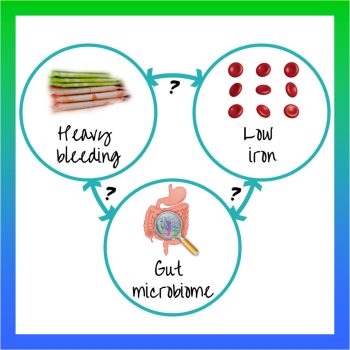
The gut microbiome, iron deficiency and heavy menstrual bleeding

Understanding the connection between your gut microbiome, iron deficiency, and heavy menstrual bleeding can significantly improve your overall health, especially if you’ve been struggling with low iron levels and heavy periods.

Iron is a crucial mineral in the body, playing a key role in oxygen transport, energy production, hormone production and DNA synthesis. When iron levels are low, you may feel tired, struggle with physical activity, and even experience fertility issues.

Let’s start by exploring why your iron levels may be low.

  • Iron absorption is the first critical factor. If your body isn’t absorbing enough iron from your food, no matter how iron-rich your diet is, you’ll remain deficient. Your body typically regulates iron absorption based on its needs, absorbing more when iron levels are low and less when they’re high. However, this process can be disrupted, particularly if your gut health isn’t optimal. Consuming vitamin C-rich foods alongside iron can enhance absorption, while avoiding high-calcium foods at the same time can prevent competition for absorption.
  • Next is the utilisation of iron. Even if your body absorbs iron, it needs to be in a usable form. Animal-based iron sources are more readily utilised by the body, while plant-based sources require conversion before they can be used, making it more challenging to obtain sufficient iron from a plant-based diet.
  • Storage is another factor. Your body stores excess iron in the liver, tapping into these reserves when levels drop. However, iron deficiency is more common, particularly in women with heavy menstrual bleeding. Heavy bleeding not only leads to iron loss but also perpetuates a vicious cycle where iron deficiency further increases bleeding.

Heavy menstrual bleeding, or menorrhagia, is typically defined as losing more than 80 millilitres of blood per day or bleeding for longer than seven to eight days. It’s a common cause of iron deficiency anaemia, and the two conditions feed into each other—iron deficiency worsens heavy bleeding, which in turn worsens iron deficiency. This cycle leads to fatigue, reduced physical capacity, and increased inflammation, especially in people with endometriosis, as bleeding causes tissue damage and inflammation in the pelvic and abdominal areas.

Now, let’s talk about the gut microbiome. Your gut hosts trillions of bacteria, crucial for your survival and health. These bacteria also play a significant role in iron absorption. Low iron levels can reduce the population and diversity of beneficial gut bacteria, particularly Lactobacillus strains, which are often deficient in people with endometriosis. These bacteria help regulate iron absorption, so when their numbers are low, your body might struggle to absorb enough iron, worsening the deficiency.

There’s a complex interplay between iron levels, menstrual cycles, and gut health.

Low iron disrupts the gut microbiome, leading to further absorption issues. Heavy menstrual bleeding worsens this by continually depleting iron, which negatively impacts gut health. To break this cycle, it’s essential to focus on a diet that supports both iron levels and gut health.

Incorporate foods that feed beneficial gut bacteria and are rich in easily absorbed iron. Also, consider food combinations that enhance iron absorption, like pairing iron-rich foods with those high in vitamin C, and avoid combining them with high-calcium foods.

For a deeper dive into improving iron absorption and gut health, you might like to also read Iron deficiency and how to get the most iron out of your diet and Why you need to improve your gut microbiome. Understanding and addressing the connection between iron deficiency, heavy menstrual bleeding, and the gut microbiome can make a significant difference in managing these issues and improving your overall health.

If you’d like to have a personal chat about options to use your diet to manage your Endometriosis symptoms, book your complimentary Endometriosis SOS Call. https://theendometriosisnutritionist.online/endometriosis-sos-call/

Will eating soy help with your Endometriosis symptoms?

In this article I want to discuss whether soy is beneficial or detrimental if you have endometriosis. This is important to know, especially if you're vegetarian or vegan and rely on eating soy to get your protein.

Endometriosis is influenced by oestrogen levels. High oestrogen levels can exacerbate endometriosis symptoms because rising oestrogen levels cause endometrial tissue growth. This growth leads to increased pain and other symptoms when oestrogen levels peak.

Soy contains phyto-oestrogens, a form of plant oestrogen that can increase oestrogen levels in your body. This effect is beneficial for women going through menopause but might be problematic when you have endometriosis. While phyto-oestrogens don't act exactly like human oestrogen, they can still raise oestrogen levels.

There isn't a lot of research on eating soy and endometriosis, but some studies offer insights. One study found that consuming more than 10% of your daily diet from soy sources, especially from an early age, could increase the progression and pelvic pain associated with endometriosis. Another study indicated that soy might benefit you if you have advanced endometriosis but didn't specify the amount of soy consumed or provide strong results.

Given these findings, soy might not be the best option for those with endometriosis. However, if soy is a primary protein source in your diet, it's not necessary to eliminate it entirely. Instead, be mindful of your intake, keeping soy products to less than 10% of your overall diet.

Additionally, be cautious of hidden soy in processed foods, which can significantly contribute to your daily intake without you realising it. Soy can be found in products like hamburgers, sausages, some cheeses, ice cream, muesli bars, energy bars, chocolate, packaged cakes, biscuits, mayonnaise, and salad dressings. Removing ultra-processed foods from your diet can help control your soy intake and, consequently, your oestrogen levels.

If you are vegetarian or vegan, maintaining a soy intake below 10% of your total food intake is crucial, especially in the early stages of endometriosis. If you have advanced endometriosis might experiment with higher soy amounts to see if it alleviates symptoms, but it's important to monitor for adverse effects.

Before increasing soy in your diet, consider testing for soy intolerance. Many of my clients show an intolerance to soy, possibly due to long-term exposure through processed foods. If you're intolerant, eating soy will likely worsen inflammation and your symptoms, negating any potential benefits.

In summary, soy contains phyto-oestrogens that can influence oestrogen levels, impacting endometriosis. While eating soy isn't entirely off-limits, keeping consumption in check and being aware of hidden sources in ultra-processed foods can help manage your endometriosis more effectively.


If you’d like to have a personal chat about options to use your diet to manage your Endometriosis symptoms, book your complimentary Endometriosis SOS Call.

Why you should try growing your own food

In today's fast-paced world, the idea of growing your own food might seem impractical, especially if you live in a small apartment without a garden. However, there are numerous benefits to growing your own food, even a small amount, such as herbs on a windowsill. Let's explore why growing your own food, particularly fruits and vegetables, can significantly boost your health and well-being.

The supermarket dilemma

When you purchase fruits and vegetables from a supermarket, you're often buying produce that has been grown primarily for yield and appearance, not nutrient density. Commercially grown produce is optimized for quantity and fast growth, which compromises its nutritional value. Here are some key issues with store-bought produce:

  • Nutrient density: fast-growing fruits and vegetables tend to have lower nutrient levels. Nutrient development takes time, which is often sacrificed for speed and quantity in commercial farming.
  • Soil quality: the soil in many regions lacks essential nutrients. For example, Australian soil is naturally deficient in magnesium, meaning produce grown there will also be low in this vital nutrient unless the soil is specifically enriched.
  • Shelf life: to increase shelf life, produce is often irradiated to kill microorganisms. This process, while extending the produce's lifespan, also reduces its nutritional value and eliminates beneficial microorganisms that are crucial for our health.
  • Premature harvesting: many fruits and vegetables are picked before they are fully ripe to withstand transportation and storage. This practice significantly reduces their nutrient content and natural flavour.

The benefits of growing your own food

Now, let's discuss the myriad benefits of growing your own food, even if it's just a small herb garden on your windowsill:

  • Enhanced nutrient density: homegrown produce is often richer in nutrients because you can allow it to ripen fully before harvesting. This means your fruits and vegetables will be at their peak nutritional value when you pick them to eat.
  • Soil control: when you grow your own food, you have control over the soil quality. By using natural compost and fertilizers, you can ensure your plants get the nutrients they need to thrive.
  • Microbial benefits: working with soil exposes you to beneficial microorganisms that are vital for your gut health. These microorganisms help strengthen your immune system and improve overall well-being.
  • Seasonal Eating: Growing your own food forces you to eat seasonally, which ensures that your produce is fresher and more flavourful. Seasonal eating also aligns with the natural growing cycles, making it healthier for you and the environment.
  • Better taste: there's nothing quite like the taste of freshly picked produce. Homegrown fruits and vegetables often taste better than their store-bought counterparts, making it more enjoyable to eat healthy.
  • Low carbon footprint: homegrown food doesn't need to travel long distances to reach your plate, reducing its carbon footprint. This is a simple yet effective way to contribute to environmental sustainability.

Getting started

Starting your own garden doesn't have to be complicated or time-consuming. Here are some tips to get you started:

  • Start small: if you have no outdoor space, grow herbs in pots on your windowsill. If you have a balcony or small garden, try growing a few vegetables in containers.
  • Choose the right plants: select plants that are suitable for your climate and grow well in your area. Begin with easy-to-grow varieties that you enjoy eating.
  • Use natural methods: avoid chemical fertilizers and pesticides. Instead, opt for natural compost and pest control methods to keep your plants healthy and chemical-free.
  • Be patient: gardening is a learning process. Don’t expect to become self-sufficient overnight. Enjoy the journey and learn from each growing season.

Embrace the challenge

Growing your own food, even on a small scale, can have a profound impact on your health and the environment. The act of gardening itself is therapeutic, connecting you with nature and providing a sense of accomplishment. So, take up the challenge and start growing something today. Share your experiences, successes, and even failures, and discover the joy and health benefits of homegrown produce.

What will you grow first? How will you incorporate homegrown food into your diet? Share your gardening stories and tips – I'd love to hear from you!


If you’d like to have a personal chat about alternative ways to manage pain, book your complimentary Endometriosis SOS Call: https://theendometriosisnutritionist.online/endometriosis-sos-call/

The impact of sugar on your health and Endometriosis

When addressing endometriosis through diet, it is important to have a clear understanding of the impact of sugar on your health. Sugar consumption is problematic for everyone but particularly for those with conditions like Endometriosis. Let's explore why.

Why is sugar a problem?

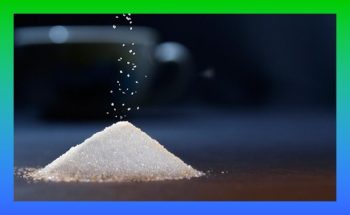
Firstly, sugar is in many foods and easy to consume in excess. Healthy individuals should limit their sugar intake to 25 grams (about 5 teaspoons) daily. For context, a single can of regular Coke contains 44 grams of sugar, almost double the recommended amount. Even a small tub of vanilla yogurt typically has 34 grams of sugar, which is more than the daily limit for a healthy person.

Sugar hides in obvious places like sweets, soft drinks, and fruit juices. However, it's also prevalent in processed foods, cereals, and even bread. Always check ingredient lists for hidden sugars.

The impact of sugar on inflammation

Sugar gets absorbed really quickly. Most nutrients take 20 minutes to 2 hours to be digested and absorbed, but sugar starts getting absorbed in your mouth, entering your bloodstream rapidly. Once there, it combines with fats and proteins, creating compounds that cause oxidative stress and inflammation.

High blood sugar levels trigger the pancreas to produce insulin, which helps lower blood sugar. However, repeated spikes in blood sugar lead to insulin resistance, where your body requires more insulin to manage blood sugar levels. Because of the impact of sugar on insulin production you produce inflammatory molecules, contributing to chronic inflammation.

And what about the impact of sugar on the gut microbiome? Bad bacteria thrive on sugar, diminishing the diversity of beneficial bacteria. This imbalance increases inflammation and other health issues, including those related to endometriosis.

Is sugar addiction real?

Yes! Sugar activates the brain's reward system, releasing dopamine, which makes you feel good and reinforces the desire to consume more sugar. Over time, your brain requires increasing amounts of sugar to achieve the same dopamine response, leading to addiction.

Are you addicted to sugar?

Consider if you:

  • Experience a mid-afternoon slump
  • Feel generally tired
  • Crave sweet treats with your coffee or tea
  • Desire sweets after dinner
  • Dislike bitter foods or greens
  • Consider yourself a chocoholic
  • Prefer sweet over savory foods
  • Frequently chew gum or consume artificially sweetened products

If you identify with several of these points, you might have a sugar addiction.

Specific effects of sugar

There are some serious concerns about the impact of sugar on the brain. It directly causes inflammation, leading to memory issues, reduced attention span, impaired learning and thinking, emotional processing difficulties, increased anxiety, and higher risk of depression. For those with endometriosis, these effects compound the challenges posed by chronic inflammation.

How to kick the sugar habit

Here are some dietary tips:

  1. Start your day with protein: Choose a protein-rich breakfast without simple carbs to keep you full longer and stabilise blood sugar levels.
  2. Eat regularly: Avoid hunger-induced poor decisions by eating regular meals and snacks that include healthy fats and proteins.
  3. Increase plant foods: Make plant foods the majority of your plate, with protein and fats aiding in glucose production.
  4. Pair fruit with protein/fat: Always consume fruit with nuts or seeds to slow sugar absorption.
  5. Limit caffeine: Caffeine can increase sugar cravings, so consider reducing coffee and tea intake.
  6. Get enough sleep and manage stress: Both sleep deprivation and high stress increase sugar cravings.
  7. Add apple cider vinegar: Before each meal, drink a glass of water with a dash of apple cider vinegar. This can help reduce cravings and benefit gut health.

Final tips

Knowing the impact of sugar on your health may help you decide to cut the sweet stuff, but you’re in for a challenging ride! To reduce your sugar intake, go slow. Gradually decrease the amount rather than cutting it out entirely. Know your craving times and have healthy alternatives ready.

Sugar increases your inflammation and therefore worsens your Endometriosis symptoms. Reducing sugar intake is not the easiest diet change to make but will significantly improve your symptoms and overall well-being.


If you’d like to have a personal chat about how a nutrition approach to your Endometriosis symptoms can make you feel better and how I would support you through reducing your sugar intake, book your complimentary Endometriosis SOS Call. https://theendometriosisnutritionist.online/endometriosis-sos-call/


Why the healing crisis happens when you change your diet

Embarking on a journey to manage endometriosis through diet and nutrition can be both exciting and challenging. Many of my clients often face a surprising and unsettling phase early on in their journey – the healing crisis. It’s not uncommon to experience a period where you feel worse before you start to feel better. Today, I want to explain why the healing crisis happens and why it’s a natural part of the healing process.

The initial discomfort

When my clients begin their personalised diet plans, they often email me two or three weeks into the program, saying they feel worse. They might report new symptoms, increased fatigue, or a general sense of feeling unwell. This can be disheartening, especially when the expectation is to feel better right away. However, this initial discomfort is not only common but can also be a sign that positive changes are taking place in your body.

The boat analogy

To help explain what’s happening, I like to use a boat analogy. Imagine you're going on a weekend trip on a small boat. At first, when you're still in the harbor, you might feel a bit unsteady but generally okay. As you move into open waters, the waves get choppier, and you may feel seasick. This discomfort is your body's way of adjusting to the new environment. After some time, you start to get your "sea legs," and moving around the boat becomes more natural. By the end of the trip, when you’re back on solid ground, you might even feel odd walking on land again.

Changing your diet to manage endometriosis is similar. Initially, your body might feel unsteady as it adjusts to the new nutrients and the absence of inflammatory foods. This adjustment period can cause discomfort as your body begins to heal and detoxify.

What happens when you change your diet

When you change what and how you eat and drink to reduce endometriosis symptoms, several things happen:

  • Removing inflammatory foods: Foods that contribute to inflammation are removed from your diet. This gives your body a break and reduces the constant state of stress and inflammation it has been under.
  • Healing and detoxification: With the removal of harmful foods and the introduction of anti-inflammatory and nutrient-dense foods, your body starts the healing process. This includes repairing gut health, reducing inflammation, and balancing hormones.
  • Increased nutrient intake: Your body receives a boost in essential nutrients, which can kickstart various healing processes. These processes can produce waste products and toxins that your body needs to eliminate.

The healing crisis

As your body begins this major cleanup and healing, you might experience what is known as a “healing crisis.” This can include symptoms such as:

  • Increased fatigue
  • Headaches
  • Nausea
  • New or intensified symptoms

These symptoms occur because your body is working hard to detoxify and repair itself. It’s a sign that your body is reacting to the positive changes and beginning to heal.

Staying the course

It's important to stay the course during this challenging phase. I always tell my clients that any change is a good change initially. It means your body is responding and starting the healing process. Most clients find that after this initial period, their symptoms start to improve. Health improvements are rarely linear, but over time, you will see positive changes.

If you’re a client experiencing this phase, remember that it’s normal and a sign that good things are happening in your body. Trust in the process and know that you’re not alone. If you’re considering working with me, this is a heads-up that you might experience this, but it’s all part of the journey to better health. Stay patient and keep the boat analogy in mind: you’re on a path to smoother sailing.


If you’d like to have a personal chat about how a nutrition approach to your Endometriosis symptoms can make you feel better and how I would support you through your healing crisis, book your complimentary Endometriosis SOS Call: https://theendometriosisnutritionist.online/endometriosis-sos-call/