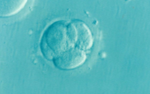
How to reduce the risk of miscarriage and support embryo development
The first 13 weeks after your egg has been fertilised are crucial for the development of the embryo, and also contain the highest risk of miscarriage. Let’s look at reducing the risk of miscarriage first. Why does miscarriage occur? Underpinning your Endometriosis is chronic, systemic inflammation. That means your uterine wall is likely to be inflamed...
3 Steps to optimise your ovulation and your chances of falling pregnant
If you are trying to fall pregnant naturally, spending some time considering how to optimise your ovulation is important. After all, it has taken your egg around 4 months of hard work to get ready for it (if you haven’t read my article on egg quality, you can read it here) Ovulation happens when a...

Egg quality: why it is key in fertility and how Endometriosis affects it
Reduced egg quality is the key factor in fertility for women with Endometriosis and/or who are over 35 years old. What is egg quality, and why is it so important? And of course, what can you do to improve it? We are born with all the eggs we’ll ever have. When we were a foetus...

Gluten: how they are one of the main factors in your Endometriosis symptoms.
There is a lot of ‘noise’ around gluten and whether or not you should remove them from your diet. My viewpoint is that only if gluten are causing your problems should you remove them. And because you have Endometriosis, removing gluten from your diet is an important strategy. Let me explain why. There is a...
Leaky gut in Endometriosis: you may have it without knowing it
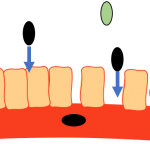
I want to start with the concept of Leaky Gut (or intestinal hyperpermeability), because most women with Endometriosis have it, often without realising it.. In a normal, healthy, gut the lining provides a barrier between the gut and the bloodstream. Only fully digested food, once it’s broken down into the smallest molecules, will be able...

What’s inflammation got to do with it?
Endometriosis is not an hormonal disease but an inflammatory disease. So let me explain the relationship between endometriosis, inflammation and your microbiome. We are host to billions of bacteria, making up your microbiome. The balance of these bacteria impacts virtually every function in your body. We know that in women with endometriosis that microbiome is out...

The symptoms of histamine intolerance
Histamine intolerance is often overlooked as a potential contributor to Endometriosis symptoms. And there is an obvious reason for it. These are the symptoms of histamine intolerance: Abdominal pain Abnormal menstrual cycle Anxiety Arrhythmia (irregular heart beat) Brain fog Cramping Depression Difficulty breathing Fatigue Flushing Gluten sensitivity Headaches Heart palpitations High blood pressure Hives Insomnia...

Could you be histamine-intolerant?
Following an anti-inflammatory diet is the first crucial step to reducing your chronic inflammation and improving your Endometriosis symptoms. But if you are histamine-intolerant you may be blaming your Endo unfairly! The inflammation is your immune system’s somewhat over-dramatic response to foods that are not really requiring the response. But we know, your immune system...

The foods that make you feel better
So far we’ve looked at all the no-no’s when it comes to your diet. The foods that I’ve suggested you remove are all pro-inflammatory and are contributing to your Endometriosis symptoms. But are there foods that will make you feel better? Foods that you should eat more of? Yes, there are! Antioxidant rich foods that make...
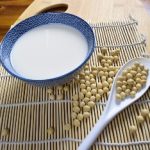
Stop flooding your system with excess oestrogen from soy
Although Endometriosis is not caused by an excess of oestrogen (one of the 2 female hormones), women with Endometriosis do have higher levels of oestrogen and the endometrial tissue outside the uterus produces oestrogen as well. So it makes sense to avoid adding more oestrogen to your system. After all, your poor liver has to...