If you're living with endometriosis, healing your gut may be one of the most powerful steps you can take to reduce inflammation and improve your overall wellbeing. One key dietary strategy involves increasing your intake of resistant starch, a type of insoluble fiber that feeds beneficial gut bacteria and supports a healthy microbiome.
Why Gut Health Matters in Endometriosis
Research shows that people with endometriosis often have an imbalance in their gut microbiome—low levels of beneficial bacteria and high levels of harmful ones. This imbalance can lead to increased production of endotoxins, which trigger the immune system and fuel chronic inflammation. Since inflammation is a driving force behind endometriosis symptoms, restoring microbial balance is essential.
Avoiding simple carbohydrates, sugars, and processed foods is a crucial first step. These foods feed harmful bacteria and allow their colonies to thrive. But just as important is feeding your beneficial bacteria—especially strains like Lactobacillus, which help regulate gut pH and crowd out harmful microbes.
Enter Resistant Starch
Resistant starch is a type of insoluble fiber that resists digestion in the small intestine and ferments in the large intestine. During fermentation, beneficial bacteria produce short-chain fatty acids (SCFAs), particularly butyrate, which plays a vital role in gut health.
Butyrate provides energy to the cells lining your gut and helps maintain the integrity of the gut barrier. This is especially important for people with endometriosis, who often experience “leaky gut”—a condition where the gut lining is compromised, allowing undigested food particles to enter the bloodstream and trigger immune responses.
By supporting butyrate production, you help heal the gut lining, reduce inflammation, and improve tolerance to a wider range of foods.
Foods to Eat
Incorporating resistant starch into your diet doesn’t require exotic ingredients. In fact, some everyday foods can become rich sources of resistant starch when prepared correctly:
- Legumes: Beans and lentils are excellent sources. While they may cause flatulence, this is often a sign of healthy fermentation in the gut.
- Oats: Especially when soaked or cooked and cooled.
- Unripe bananas: If fully green bananas are too astringent, try eating them when they’re still firm but just starting to ripen.
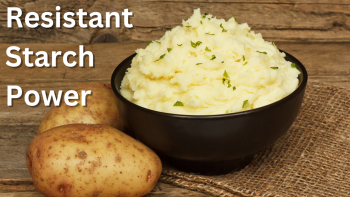
- Cooked and cooled potatoes: This is a game-changer. When potatoes are cooked and then cooled, their starch structure changes, forming resistant starch. Even if you reheat them, the starch remains resistant. Potato salad or reheated cooked potatoes are great options.
Practical Tips for Adding Resistant Starch
To get the most benefit:
- Cook and cool starchy foods: For example, boil potatoes, let them cool, and use them in salads or soups. Reheating doesn’t reverse the formation of resistant starch.
- Balance your intake: While resistant starch is beneficial, moderation is key—especially with starchy foods like potatoes. Use them strategically rather than making them a dietary staple.
- Listen to your gut: Some foods may cause temporary bloating or gas, which can be a sign of fermentation. This is usually a good thing, but if symptoms persist, adjust your intake gradually.
The Bigger Picture
Feeding your beneficial bacteria with resistant starch is a simple yet powerful way to support gut health. For those with endometriosis, this can lead to reduced inflammation, improved digestion, better blood sugar control, and even support with weight management.
Remember, every bite you take is an opportunity to nourish your gut. By choosing foods rich in resistant starch, you’re not just feeding yourself—you’re feeding the microscopic allies that help keep your body balanced and resilient.
If you’re ready to start personalising your nutrition for Endometriosis, reach out—I’d love to support you. Book your complimentary Endometriosis Discovery Call to get started: https://theendometriosisnutritionist.online/endometriosis-discovery-call/.