N-Acetylcysteine – a key supplement if you’re trying to fall pregnant

For many women, seeking an explanation for why they are not able to fall pregnant is the time they get their Endometriosis diagnosis.

These are some worrying statistics:

  • Between 25 and 50% of women who have difficulty falling pregnant have Endometriosis; and
  • Between 30 and 50% of women with Endometriosis have fertility problems.

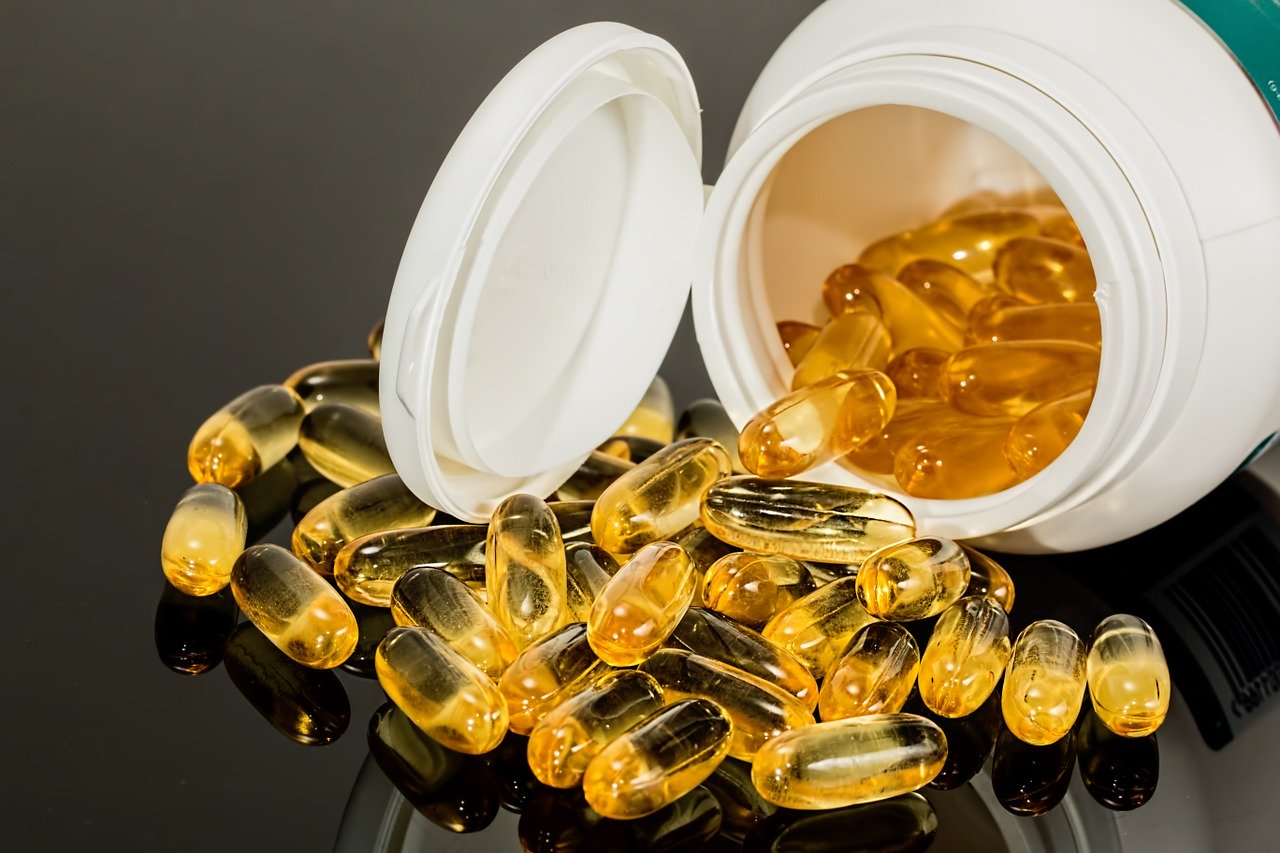
The supplement N-Acetylcysteine, or NAC, plays an important role in improving fertility outcomes for women with Endometriosis.

Firstly, what is it?

NAC is the supplement form of the amino acid (protein) cysteine. It’s key role is in helping to replenish the most important antioxidant, glutathione. Glutathione has many important functions, some of which are the regeneration of vitamin E and C; detoxification; functioning of the mitochondria (parts of cells where energy is produced); and the regulation of cell growth and death. Chronic inflammation reduces the amount of glutathione available, and cysteine is needed to produce more.

NAC has been well-researched in relation to Endometriosis and here are a few interesting results:

  • In one study of 92 women, treatment for 3 months with NAC caused endometriomas to reduce but the group that didn’t get the treatment had their endometriomas grow significantly. The same study also saw pain reduction as well as eight pregnancies.
  • In a study of 398 women treated with a NAC in combination with 2 other nutrients, pelvic pain reduced significantly after 3 months, and even more after 6 months of treatment.

The ability of NAC to reduce the size of endometriomas is particularly interesting when we look at infertility: endometriomas are cysts within the ovaries, and they often don’t respond well to medical treatment. They make it more difficult to retrieve eggs and if you are undergoing ovarian stimulation during IVF they can cause severe (additional) pain. They also interfere with ovulation and even damage ovarian tissue.

If you are trying to fall pregnant, I highly recommend taking NAC as a supplement in addition to following an anti-inflammatory diet, especially if you have a history of endometriomas.


If you would like to discuss whether a nutritional approach would be beneficial for managing your Endometriosis, why not book an obligation-free Endometriosis SOS Call? You can do so here.
Why I recommend you take palmitoylethanolamide, or PEA to reduce pain

I know, what a name! I can’t pronounce it or type it quickly, so I’m just going to call it PEA.

It is a compound that our bodies produce when it is needed to help regulate pain and inflammation. It is found in both the central nervous system and in immune cells. And many foods, like mild, beans, peas, tomato, alfalfa, corn, soy and peanuts also contain it but not in enough quantities to be able to provide any therapeutic benefits.

The main therapeutic benefit of PEA in managing Endometriosis is pain reduction (chronic pelvic pain, migraines, period pain, ovulation pain). So how does it do that?

When the immune system is activated, certain cells are stimulated to start the inflammatory process. This process involves both swelling and pain. The purpose of the pain is to avoid further danger to the injured area. The pain stops us doing what we’re doing and do something about it. At this point, the body releases PEA to regulate the activity of those cells that initiated the pain and swelling. Over time, the inflammation disappears with the pain when the initial cause has been removed (e.g. the wound has healed).

Endometriosis inflammation is not acute, it is chronic. Which means that there is no resolution, it doesn’t disappear. Even the smallest immune incident can cause a major immune response and the cells responsible for clearing it up are confused, creating constant pain to warn you to do something about it.

PEA is able to calm down these cells.

Another cause of your chronic pain comes from damaged nerve cells because of inflammation. Damaged nerve cells still have a ‘pain memory’ creating a lower pain-threshold in the pain receptors.

PEA regulates the firing of these nerve cells. It also helps to produce more anti-inflammatory compounds and compounds that protect nerve cells.

So which symptoms has it shown to improve?

  • Chronic pelvic pain: 56 women took PEA for 9 months. After 6 months pain had improved significantly. In another study pain was reduced after 90 days, many women had stopped taking pain medication, and there were some reductions in the size of endometrial lesions.
  • Leaky gut: in a lab study, PEA reduced the permeability of the gut.
  • Migraines: a group of 50 patients took PEA (they were able to continue their normal medication as well) for 3 months. They reduced the number of days per month with migraines from an average of 10.7 to 5.8, and the intensity of the migraine reduced by 71.4%. A control group who took just their normal medication saw no improvement. Other studies showed improvements in migraines with aura, chronic migraines.
  • Depression: in one study of 58 patients with severe depression, improvement was seen after just 2 weeks and after 6 weeks all had improved at least 50%.
  • Colds and flu: not directly related to Endometriosis, but in a total of 4000 people who took PEA for 12 days when they had fever and pain, saw a pain and fever reduction of 45.5% compared to people who didn’t take it and there was a significant reduction in sick days.

I know this has been a long post, but I want you to understand that I’m not recommending the latest fad in supplements. I’ve only recently learned about PEA and have not yet had direct experience with its results, but the research is solid.

Now again a word on supplements that you can buy in the supermarket or at the chemist: you might be able to find PEA there. But the product will say ‘Pure PEA’ which sounds great, but isn’t. It means it hasn’t been ‘micronised’ or made smaller. Pure PEA contains particles that are too large to be absorbed, so you would not get much benefit. And for PEA to be beneficial, you need very high doses.

You will need a practitioner-only version that is micronised or ultra-micronised to get the results PEA can give you.

To take probiotics or not take probiotics – that’s the question

Probiotics have become immensely popular over the past few years and are claimed to cure just about any health complaint. So, do probiotics help to reduce your Endometriosis symptoms?

Well, that depends … What symptom are you trying to improve?

The challenge here is that there are many different types of probiotics and within each type there are different strains. What you need to remember is that probiotics are bacteria and there are more variety and strains of bacteria then there are people in the world.

Different types of bacteria do different things.

So it is crucial to get the right type of probiotic for a specific health concern and then within that type you need the right strain.

For example, let’s say you want to take a probiotic to help reduce your constipation – a common symptom in Endometriosis. Popular probiotics that you can buy in the supermarket or from the chemist claiming to be good for constipation usually contain Lactobacillus acidophilus.  Unfortunately there is no scientific evidence that Lactobacillus acidophilus has any effect on constipation at all. So you’d be taking a supplement that is not improving the symptom you’re trying to improve!. A better probiotic that has been tested with women who were constipated is Bifidobacterium animalis or Escherichia coli Nissle, which you won’t find in any over the counter probiotics. Lactobacillus casei Shirota can also reduce constipation. It is mostly know as a dairy-based drink, but not recommended if you are on an anti-inflammatory diet.

There is one specific probiotic that can help to reduce menstrual pain and has been tested on women with Endometriosis: Lactobacillus gasseri. It has also shown promise in preventing further growth of endometrial tissue and reducing existing tissue.

As I wrote in a previous article ‘Should You Take Supplements’, supplements that can be bought in the supermarket or at the chemist are mass-produced, cheap and non-therapeutic products. They may contain a range of ‘fillers’ and in the case of probiotics, the strains included are those that are easiest to source.

A practitioner only probiotic is designed for therapeutic use and contains probiotic strains that have been proven to improve certain conditions.

A final note on taking probiotics: a probiotic adds good bacteria to the microbiome, but unless you also provide your gut with prebiotics those bacteria have nothing to eat and will starve. Eating a wide variety of high-fibre foods, such as fresh fruit and vegetables, legumes, pulses and whole grains (gluten-free), you’ll be wasting your money!

Totally Tremendous Turmeric

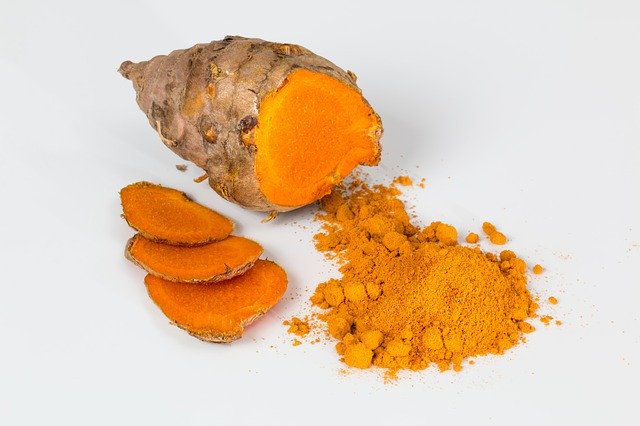
Ah turmeric! Such an underappreciated spice. It is nature’s anti-inflammatory. And with inflammation such a key factor in Endometriosis, we have to consider if turmeric can be of benefit. . I know you probably know it as a cooking spice, but how about its medicinal properties?

Turmeric is a root, from the ginger family, and contains a compound called curcumin. Curcumin is both an anti-inflammatory and an antioxidant.

As an antioxidant, its two main functions appear to be that it increases the activity of certain other antioxidants and by acting as an antioxidant itself.

As an anti-inflammatory, turmeric blocks the activation of certain cells that regulate inflammation, as well as directly suppress inflammation.

Turmeric is especially useful if your Endometriosis, because it also helps to reduce gut inflammation and gut permeability (Leaky Gut). It does this by increasing the amount of mucus in the gut wall and improving gut microbiome.

One of the problems with turmeric is that it is processed so quickly in our digestive system, that not much gets absorbed.  But here’s a neat little trick: when it is combined with black pepper, you can increase absorption by 2000%.

There are two ways you can increase the amount of (or start adding) turmeric to your diet:

  • Add it to your food. Many curries contain turmeric and some popular drinks like Chai also contain it. Make sure that when you are adding turmeric to your dishes that you also add black pepper to increase the amount you’re absorbing.
  • Take a supplement. A turmeric or curcumin supplement can be a good option to help your body reduce its chronic inflammation and start to heal your gut. I don’t recommend you buy an over-the-counter version in the supermarket or at the chemist, as the quality of ingredients used will not be as good as a practitioner only supplement. Plus, the shop-bought brands tend not to contain the black pepper component, so not much of the supplement would actually be absorbed.

If you’d like to start using a turmeric supplement, I can help you get access to high-quality, practitioner-only brands. Just get in touch and I’ll get it organised.

And if you're ready to start bringing your chronic, systemic, inflammation down through diet, I'd love to welcome you in my program: "12 Weeks to Eat Your Way to Less Pain".

Should you take supplements?

Often, when you go see a doctor for a specific health complaint, you walk away with a medication prescription, a pill to take to make you feel better.

And as a society, we’re quite enamoured with pills and supplements.

So, when it comes to managing your Endometriosis symptoms naturally, should you take supplements?

Well, it depends.

Supplements can play an important, temporary, role in improving your health and reducing your Endometriosis symptoms, but the operative word there is ‘temporary’.

My philosophy is that food should be your main strategy. Changing what you eat and drink is a sustainable strategy, one that you can stick to for the long haul.

Sometimes though, you need a bit of a ‘jump start’.

Most of my clients have nutrient deficiencies, because their digestive system doesn’t function optimally, and they are not absorbing nutrients as well as they should.

And because of the Endometriosis, the need for certain nutrients is higher than in healthy people.

Or their diets are low in certain nutrients, or at least too low for their extra needs.

In these cases, addressing nutrient deficiencies through food alone would mean they’d have to eat enormous amounts of certain foods and it would take a long time to tackle the deficiencies. Supplements can be a good way to boost the effects of the changes in diet.

Supplements contain high concentrations of certain nutrients, for example iron or vitamin B and by taking them regularly you give your body that extra boost, that jump start that will help you to see results much faster.

But supplements are not harmless. For many vitamins the body can build up an excess and this then produces unwanted side-effects and symptoms.

Please don’t rush out to the chemist or supermarket to buy a range of supplements!

Firstly, because not everyone needs the same supplements: your unique health situation will be underpinned by a unique set of nutrient deficiencies.

And secondly, because the supplements you buy in the supermarket or at the chemist’s are not therapeutic supplements. They are produced for the masses, will contain standard amounts of the nutrients that are so low that it is difficult to ‘overdose’ and often have unwanted fillers and additives.

It is important to get trustworthy advice on which supplements will be most beneficial for you based on your unique set of symptoms, and then to take supplements that are ‘Practitioner Only’ to guarantee you get a therapeutic dose of a high-quality nutrient.

If you are considering if supplements are useful for you, please see a qualified Nutritionist or Naturopath. I’d be happy to have an obligation-free chat with you to help you make your decision. You can book a free Exploratory Chat online.

What does a low-histamine diet look like?

Before we look at what you can and cannot eat in a low-histamine diet, let’s see how food and histamine are connected.

There are 4 types of interactions between food and histamine.


Foods that contain high levels of histamine: eating these is just adding lots of histamine to your system, directly triggering your immune response.

We’re talking about alcohol; pickled or canned food; matured cheeses; smoked, processed meat products (sausages, ham etc); shellfish; beans, pulses and peanuts; walnuts and cashews; vinegar; tomatoes; avocados; eggplant; spinach; most citrus fruit; anything that contains cocoa; ready meals; salty snacks; lollies; anything that contains colourings and/or preservatives.

There are some foods on this list you wouldn’t eat on an anti-inflammatory diet either, but also some healthy fruit and vegetables.


Foods that make it easier for histamine-containing foods to release that histamine: the enablers.

All the foods on the previous list also make it easier for other foods to release their histamine. So combining a tomato with an avocado, some spinach and a sausage is more than a quadruple whammy!

And egg white is another food that enables the release of histamine.


Foods that prevent histamine from being removed from your body: so even if you don’t add any histamine to your body, these foods will keep whatever amount is in your system flowing around your body.

These are mostly drinks: alcohol; black tea; energy drinks; green tea; mate tea, and yeast (so beer is double trouble).


And finally, the foods you can eat on a low-histamine diet: foods that contain little or no histamine. The good ones!

Fortunately, there is still a reasonable range of foods to choose from: fresh meat, chicken and fish; egg yolk; most fresh fruits; most vegetables and herbs; gluten-free wholegrains; coconut, rice, almond and macadamia milk; vegetable cooking oil; most herbal teas; most non-citrus whole-fruit fruit juices.

To find out if you are histamine-intolerant, you eat from this list only for one week.

  • If you see an improvement in your symptoms, you know you have an intolerance to histamine and may need to continue with the low-histamine diet.
  • If you don’t notice any change, you could add another week to make sure, or just stick to an anti-inflammatory diet.


If you do notice a difference, and think histamine might be a problem for you, please let me know. We want to make sure that we adjust your diet, so you still get all the nutrients you need, by finding good alternatives to the histamine foods.

What is endometriosis?

Endometriosis occurs in 10% of women. So if you have it, you're not alone! But I’m sure you may feel like you're the only one sometimes …

So what is Endometriosis?

If you have been formally diagnosed with Endo, you probably know what it is. Or maybe you think you have Endometriosis or are waiting for the diagnosis, and are not super clear.

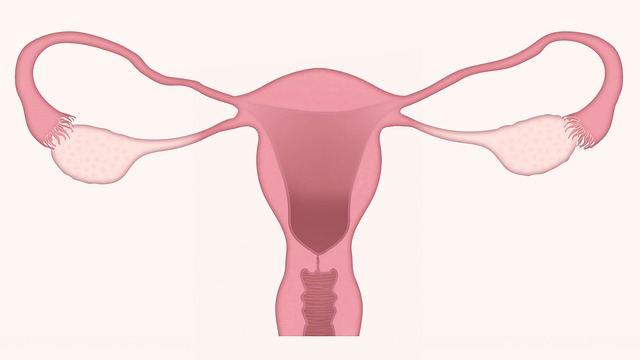
Essentially, Endometriosis is a disease where endometrial-like tissue finds its way outside your uterus and into your pelvic cavity, where it starts to grow on other organs. It acts the same as the endometrial tissue in your uterus: it grows in response to oestrogen, and bleeds and sheds when you have your period.

Some complications that can occur are the formation of adhesions (as you saw in the video); cysts in the pelvis; endometriomas and ruptured endometriomas; bowel obstruction; and peritonitis. And the big one: infertility caused by endometriotic adhesions or ovarian cysts.

At the moment, there is no cure for Endometriosis and the focus of treatment is on reducing the symptoms.

Here are some of the common symptoms:

• pain during menstruation and/or chronic pelvic pain
• pain on ovulation
• irregular and/or heavy and/or long periods
• painful intercourse
• hot flushes at different stages of your cycle
• vaginal thrush before your period
• urinary tract infections
• abdominal bloating
• flatulence
• diarrhoea (usually during your period)
• constipation (usually just before your period)
• vomiting
• headaches
• chronic fatigue
• fainting
• dizzy spells
• depression
• anxiety
• pain in legs and thighs
• back pain
• hypoglycaemia (low blood sugar levels)
• anaemia

Quite a list, isn't it? And it clearly affects more than just the reproductive system. Over the coming weeks I will go into more detail how and why nutrition can help reduce the severity of endometriosis symptoms.

In the meantime, if you are wondering how your current diet may be affecting your Endometriosis, you can get a free diet review. Use this form to tell me what you typically eat throughout the day, and I will email you some observations and recommendations.

Cleaning products and endometriosis: not a good combination

So what is the connection between cleaning products and endometriosis you may wonder. They seem so safe, after all, they’re used for cleaning! For improving the home we live in; the clothes we wear; even out bodies.

Let’s look at those 3 areas separately and how the products you use may be making your endometriosis worse.


Your home

I definitely appreciate a nice, clean home. In fact, I like it so much that I pay a professional to clean my house every week. And it is not the cleanliness of the home that we need to consider, it is what we use to clean that can cause major issues.

Most cleaning products that are specifically for cleaning the home are full of strong chemicals. These chemicals not only attack your immune system (read more about the role of your immune system in your endometriosis) but can also affect your microbiome (read more about the importance of a healthy microbiome here). And of even more concern is that they can alter our genetics.

The worst culprit is chlorine, found in many disinfectants. Chlorine creates dioxin, which is just about the most toxic substance in the world. Chlorine reduces the production of hydrochloric acid, making your digestion less effective. And it kills the good bacteria in the gut as well as omega 3 fatty acids.

So what should you use instead? You know, good old vinegar and bicarb soda do an excellent cleaning job, cost much less, and don’t create the health problems that chlorine does.


Your clothes

It is such a lovely feeling to put on nicely washed clothes that are soft and smell beautifully fresh. Unfortunately, most of us use fabric softeners to achieve this experience.

And what you may not know is that fabric softeners contain artificial fragrances plus chemicals to bind them. And these are toxic: they can kill nerve and brain cells. The biggest concern is that fabric softener puts a coat on your washing that is very difficult to wash out. Your clothes (and bedding, don’t forget those) are in constant contact with the skin. The skin absorbs chemicals really well, so they enter the body constantly.

I highly recommend you don’t use fabric softener at all! And to take it even further, consider buying washing powder that is a natural product.


Your body

As I’ve said above, the skin is very good at absorbing chemicals. It may look like an intact membrane, but it is actually quite porous. That means that any products you use that come in contact with the skin should ideally be chemical free. Think about shampoo, conditioner, creams and lotions, perfumes, nail polish, make-up remover, and make-up.

Try switching over to natural alternatives. Before you buy, check the list of ingredients. And if you use tampons make sure they are not bleached with chlorine.


The main reason cleaning products and endometriosis are not a the best buddies is because of the toxic chemicals in them that interfere with your immune system, besides directly doing damage to cells.

In next week’s blog I’ll talk about some of the invisible toxins in your environment you are exposed to that affect the immune system.

5 reasons why you should improve your environment if you have Endometriosis

As a nutritionist it makes sense that my main focus when helping clients is on what they eat. But food is not the only factor that impacts health. There are some key reasons why you should improve your environment as well. And that is the focus for this month.

When we use food to improve health, we are using and influencing biochemical processes in the body. The food and the nutrients it contains are little cogs in the various body processes that are involved in your Endometriosis.

Here are 5 reasons why you should go beyond nutrition and improve your environment as well.

  1. The body doesn’t exist in a bubble, and the environment affects the body’s biochemistry directly. So it makes sense to minimise the negative effect of your environment if you’re taking the trouble of improving your diet!
  2. We live in a highly toxic environment: we breathe in toxic air (even when you live in a lovely rural area); we put toxic chemicals on our skin; we drink water that contains toxic chemicals. All these toxins have a direct effect on your body's processes.
  3. Modern convenience has increased our exposure to toxins, from the cookware we use to how we store food.
  4. Your immune system is already super-sensitive. It reacts to things that it doesn’t need to in your food (read the posts on the Immune System) and it overreacts. It will be beneficial to remove as many environmental triggers as we can.
  5. Toxins from the environment have a nasty habit of building up in the body, and the poor liver has a hard time trying to get rid of them. An overworked liver is not going to be helpful when trying to reduce your inflammation.


In my posts this month I will discuss how our environment affects your Endometriosis and suggest ways you might be able to increase the effectiveness of your diet by removing some of the toxic load the environment places on your body.

divider
online workshop

In this practical online workshop you will learn:

  • What Is Really Causing Your Endometriosis Symptoms
  • How Food and Diet Affect Your Symptoms
  • My 4-Step Approach To Tweaking Your Diet
  • How You Can Win a Nutrition Consultation With Me

When: Friday 15 November 2019, 12.30-1.30pm.

Register Now

Is today going to be a day you’ll remember on New Year’s Eve?

Imagine it’s New Year’s Eve 2019. You’re with friends and family, you’re toasting the year that’s been. Looking back at amazing year you’ve had.

You talk about the courageous decisions you’ve made that turned your life around.

The actions you took that meant …

  • you were able to spend more time just relaxing with your friends and family
  • you spent less time curled up in bed waiting for the pain to go away
  • you felt lighter, more energetic
  • you were able to focus better, be more present, productive, creative.

Now that’s worth raising a glass of bubbly to wouldn’t you say?

So you’re probably thinking that sounds great BUT ...

It’s already almost October, the year is nearly over, and none of this has happened.

Well, the good news is that the year isn’t over yet.

I’m going to make you a promise:

If you take part in my 5-day Online Gut Health for Endometriosis Challenge, and you implement every strategy I teach you in the weeks that follow ….

You still have time to make it happen. You can still be toasting with your friends and family on New Year's Eve because you’re feeling fantastic.

You see, here’s the thing.

EVERYTHING changes when you decide to take control over your Endometriosis symptoms and improve your gut health.

  • You improve your immune system, so it doesn’t react over the top and create inflammation
  • By reducing your inflammation, you create an internal environment that is less welcoming for endometrial tissue to adhere to organs.
  • Less endometrial tissue means less pain
  • Your digestive system works better, and you’ll have less bloating, diarrhoea, constipation, headaches, migraines, head-fog.

In short, you’ll feel so much better and will be able to spend time with friends and family.

I so want you to feel what that is like!

What you celebrate on New Year’s Eve all starts with the actions you take TODAY.

I’m guessing you won’t be celebrating ..

… spending a week in bed each month because the pain’s too much

… missing your children’s special events and activities

… having to take unpaid leave, or use up your annual leave, because you’ve run out of sick leave entitlements

But you WILL celebrate participating in the 5-day Online Gut Health Challenge and implementing all the strategies you learn.

I’ll see you in the Challenge!

Click here for more information and to sign up.