How to heal your leaky gut part 2– foods to eat more of

Okay, last week we looked at what not to eat if you have a leaky gut. So, what can you eat and should you eat more of and heal your leaky gut?

The first food to eat more of are those that are high in antioxidants.

Let me start by explaining what antioxidants do. It’s a term you hear a lot of, but not many people know what they are or do.

Certain foods, stress and less than optimum health are all factors that create free radicals in the body. Free radicals are like a gang of aggressive hooligans, running around your body, damaging cells and tissues, and causing inflammation in their wake. Hmm, inflammation again!

Antioxidants are like police officers, particularly good at catching those hooligans, slapping the handcuffs on, and escorting them off the premises – i.e. your body.

If you eat a diet high in antioxidants, your body is able to remove the free radicals very effectively, reducing the unnecessary inflammation.


Foods that are high in antioxidants are:

  • Red/orange vegetables such as carrots, sweet potato, red capsicum
  • Green vegetables like broccoli, brussels sprouts, cabbage, Spinach
  • Fresh fruit, especially high in vitamin C such as kiwi, citrus, guava
  • Seeds and nuts

To heal your leaky gut you also want to eat more foods that are high in omega 3 fatty acids

In a study of more than 70,000 nurses in the US showed that it is not the amount of fat you eat that impacts your risk of Endometriosis, but the type of fat. Omega 3 fatty acids are known to help reduce inflammation.

Foods to include in your diet are:

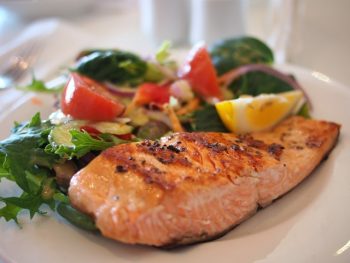
  • Fatty fish, like salmon, tuna, mackerel, herring, sea mullet, redfish, flounder, trevally, tailor, Sydney rock oyster, blue mussel, rainbow trout, and whiting.
  • Oils like flaxseed, hempseed, canola
  • Nuts, especially walnuts.


And a third type of food you want to eat plenty of are foods high in fibre. Fibre plays an important role in removing excess oestrogen from your body. It can attach itself to oestrogen, and then help remove it from the bowel.

Foods high in fibre are:

  • apples (especially with skin on)
  • fruit such as berries, pears (skin on), melon and oranges
  • vegetables such as broccoli, carrots, and sweetcorn
  • peas, beans, and pulses
  • nuts and seeds
  • potatoes with skin on.


A question I get asked regularly is: “How long does it take to heal my leaky gut?” And the answer is “It depends”. Not helpful, I know! But the recovery time depends on so many individual factors, that all I can say is that it can take anywhere from three months to two years. But you will start to notice improvements during the first month if you follow the two strategies described.


If all of this is making your feel overwhelmed and you’re not sure where to start, my program 12 Weeks to Eat Your Way to Less Pain” provides you with a step-by-step process, meal plans and recipes to help you heal your leaky gut and reduce your Endo symptoms.
How to heal your leaky gut part 1 – foods to remove

To heal your leaky gut there are certain foods you should avoid eating and other foods that you should eat more of or should start eating. In this post I will explain which foods to remove.

The most important food to remove from your diet are gluten-containing foods.

There is a lot of 'noise' around gluten and whether or not you should remove them from your diet. Because you have Endometriosis, removing gluten from your diet is an important strategy.

Let me explain why.

There is a strong connection between autoimmune diseases (where your immune system starts attacking healthy organs and tissues instead of bacteria and viruses) and Endometriosis. Women with Endometriosis have been found to have an immune response to gluten similar to people with Coeliac Disease.

The immune response to gluten creates a vicious circle which makes the reaction worse over time:

  • The gluten weakens the connections between the cells in the lining of your gut.
  • Contents of your gut can then 'leak' through.
  • Your immune system classifies these leaked particles as invaders and produces antibodies to fight them off.
  • Which leads to inflammation of the gut.
  • The inflammation further weakens the gut lining.
  • Etc.

In a study done in 2012, where patients with painful Endometriosis were put on a gluten-free diet for 12 months, 75% of patients saw a clear improvement in pain after 12 months. They also noticed improvements in physical functioning, general health perception, vitality, social functioning, and mental health. The other 25% saw no change, and nobody reported that their symptoms had worsened.

As with many autoimmune-like diseases (Endometriosis has not yet been formally classified as an auto-immune disease), we are not completely clear on why the immune system goes crazy. But we do have good evidence that removing gluten from your diet can improve your symptoms!


Another important food to remove is dairy. The protein in dairy (so not the lactose – going lactose-free is not going to help you at all) causes the same issues as gluten.

The third type of food to remove is soy and oestrogen producing foods. Although Endometriosis is not caused by an excess of oestrogen (one of the two female hormones), women with Endometriosis do have higher levels of oestrogen and the endometrial tissue outside the uterus reacts to oestrogen levels in the same way as the endometrial tissue in your uterus: it sheds and bleeds. So, it makes sense to avoid adding more oestrogen to your system.

And the final type of food to remove from your diet are processed foods.  Anything that comes in a packet contains not only lots of sugar and salt, but many additives that our digestive systems simply can’t process. Even people who don’t have a leaky gut who eat a lot of processed foods are affected. Processed foods cause irritation, inflammation and worsen your leaky gut.


If all of this is making your feel overwhelmed and you’re not sure where to start to heal your leaky gut, my program 12 Weeks to Eat Your Way to Less Pain provides you with a step-by-step process, meal plans and recipes to help you heal your leaky gut and reduce your Endo symptoms.
7 Signs you have leaky gut

Most women with Endometriosis have leaky gut, often without realising it.

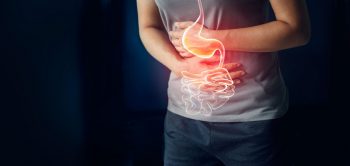
In a normal, healthy, gut the lining provides a barrier between the gut and the bloodstream. Only fully digested food, once it is broken down into the smallest molecules, will be able to pass from the gut, through the gut wall, into the bloodstream to be transported to where it’s needed.

A leaky gut has a damaged gut lining – with cracks or holes that allow undigested food particles, toxins, and bacteria to get through and into the bloodstream. Now because undigested food particles, toxins and bacteria are not meant to be in the blood stream, the body reacts to this quite strongly and mounts an immune response.

We know that women with Endometriosis have a damaged gut lining and leaky gut as a result of the combination of a genetic disposition (a vulnerability you are born with) and your microbiome (more about your microbiome in a future post).

You may not be aware of it, but if you have any of the following symptoms, it is very likely that you have leaky gut:

  1. Chronic diarrhoea, constipation, gas or bloating.
  2. Headaches, brain fog, memory loss.
  3. Excessive fatigue.
  4. Skin rashes and problems such as acne, eczema, or rosacea.
  5. Cravings for sugar or carbs.
  6. Arthritis or joint pain.
  7. Depression, anxiety, ADD, ADHD


The cause of leaky gut is usually an intolerance reaction to food, in particular gluten (from wheat) and dairy (the protein in dairy, not lactose). This sensitivity reaction causes inflammation, which in turn worsens the leaky gut – a vicious circle.


Although your leaky gut is a partly caused by a genetic disposition, it can be healed – through food. By removing foods that we know you are intolerant to, and adding foods that heal your gut lining and improve your microbiome, you will start to see improvements in your symptoms fairly quickly.


If you are ready to start healing your gut and drastically improve your Endometriosis symptoms, sign up for my self-paced ‘DIY’ program: “12 Weeks to Eat Your Way to Less Pain”. Find our more information here.

When you craaaave chocolate …

For many of my clients, giving up chocolate when they embark on the Endometriosis Diet is one of the hardest things to do.

And I get it! I do like a piece or a hot chocolate drink when it’s cold. Sometimes there’s just nothing like it.

And we’ve all heard it: it is good for you because it contains antioxidants!

So why then do I tell my clients to stay off the chocolate?

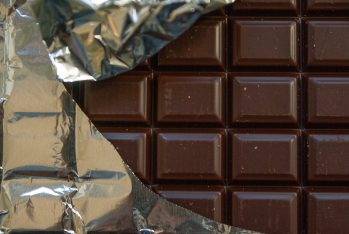
The most important reason has actually nothing to do with the cacao component. You see, even the darkest chocolate contains a shocking amount of sugar! One small serve of 80% dark chocolate contains 2 teaspoons. And a serve of milk chocolate contains a whopping 6 teaspoons of sugar. It’s the sugar that is a serious problem when you have chronic inflammation as it is a powerful inflammatory. And let’s be honest, how many of us can restrain ourselves to one little 2-square serve?

So what about these anti-oxidants? Well, the milk version doesn’t really contain any as there is very little cacao in it, only about 26%. The anti-oxidants are no match for the brute force of all the sugar you’re eating with it.

Dark chocolate fares a little better and contains around 40-50% cacao, but the sugar still outnumbers the healthy antioxidants.

What is also a worry is that there are additives – flavours and emulsifiers – in the chocolate bars you buy. These chemicals are known to produce inflammation for all of us.

And then there is the problem of the dairy as an ingredient: when you have leaky gut, the dairy protein will cause you all sorts of problems.

But what to do when you really crave some?

Raw cacao would make a good option, organic if possible. Most supermarkets, and definitely the health food stores, sell good quality raw cacao. It is just powdered roasted cacao beans, no sugar added. I use it to make a chocolate drink - just add your favourite non-dairy, non-soy milk. You can also use it in baking and there are even recipes for making your own chocolates. Initially you’ll probably want to add a little bit of a sweetener, such as coconut sugar.

Give it a go, and let me know what you think 😊.


What does an Endometriosis diet look like?

Because the 'engine' behind your Endometriosis' growth and spread is inflammation, your immune system and digestive system will need to be healed, and nutrition can play a powerful role in this.

But what does an Endometriosis diet look like?

It basically consists of two key steps, with an optional third.

Step one is to follow an anti-inflammatory diet. The purpose of this step is to start healing your gut, improve your microbiome and reduce your inflammation. For most of my clients, this diet is sufficient to reduce their symptoms significantly after one month. In an anti-inflammatory diet you remove all the foods that are known to be inflammatory as well as some foods that are causing specific problems in Endometriosis. You also add lots of anti-inflammatory foods.

Most of my clients remain on the anti-inflammatory diet indefinitely. Once they get used to this way of eating they find it quite easy to stick to. Especially because the feel so much better, sometimes after only just one month!

Step two is to follow a low-histamine diet. The purpose of this step is to determine whether you may be histamine intolerant. I wrote about histamine-intolerance in this post. It means adjusting the anti-inflammatory diet by removing all the foods we know are high in histamine or help release histamine from food.  Fortunately, you only need to be on a low-histamine diet for a short time to be able to find out if histamine is a problem for you. It is crucial, though, that you have been on the anti-inflammatory diet for at least a month before you add the low histamine diet to your eating regime. If you start step 2 too early, you will not be able to tell whether the reduction in symptoms is because of the low histamine diet or the anti-inflammatory diet.


If you are wondering if your current diet may be making your Endometriosis symptoms worse, you can find out in my free online workshop: "How to work out if what you EAT is making your Endometriosis symptoms WORSE". You can sign up here

What’s the deal with pain in Endometriosis?

Pain is the one Endometriosis symptom that almost all my clients have, the one that interferes the most with having a normal life AND the one that can give you the most improvement if you start eating differently.

You can have different types of pain:

  • Chronic: this is pain you basically feel constantly. It may be worse on some days and less on others, it may change in intensity or sharpness or where you feel it, but it is your constant companion. It can be caused by tissue and blood your body has no way of removing, or by scar tissue where endometrial tissue was.
  • Period pain, which can you experience during your period and which disappears once your period is over. The pain can be intense, excruciating, and felt anywhere. It may cause you to throw up.
  • During ovulation: this can occur when the follicle on the ovary ruptures, the egg bursts out of the follicle or because of spasms of your Fallopian tubes. It is often one-sided, and these are normal causes of ovulation Chronic inflammation of your Fallopian tubes can make the ovulation pain worse, as can Endometriosis on your Fallopian tubes.

There are also a few types of pain that are less common in Endometriosis, but that doesn’t make them any easier to live with.

Many of my clients have migraines or headaches. Certain food intolerances are known to cause migraines so removing the foods that are known to cause problems can often reduce them quite dramatically.

Some women experience pain in their back, their legs or their thighs, caused by endometrial tissue on your spine or in your pelvic cavity where it can damage nerves.

And then there is pain in your rectum, which makes bowel movements excruciating; when urinating; painful intercourse; and even chest pain.

It is important to realise that endometrial tissue can be found throughout the body, causing pain either when you have your period or because of scar-tissue. And none of these are normal if they are chronic or recurring and interfere with normal daily activities!

With inflammation being the underpinning factor in endometriosis and therefore any type of pain, your diet plays an important role.

If you are wondering if what you eat might be contributing to your pain, register for the free online workshop “How to work out if what you EAT is making your Endometriosis symptoms WORSE”. It runs on Tuesday 7 July, 7pm-7.45pm. You can find out more here.

Nutrients under the microscope: Iron

The final nutrient in our nutrients under the microscope is iron.

Iron-deficiency anaemia is quite common in women with Endometriosis, especially if you experience heavy and or long bleeding.

There is a vicious cycle between anaemia and heavy and/or long bleeding: heavy/long bleeding leads to high iron loss, and low iron levels contribute to heavier bleeding.

The best way to find out if you are anaemic is to have a blood test.

If you are anaemic, taking a supplement is important, but equally important is choosing the right supplement, dose and adjusting your diet to ensure maximum absorption.

There are two types of supplements: ferrous iron, which is better absorbed in the body, and ferric iron which is less well absorbed.

Iron supplements can have side-effects such as constipation and nausea, especially when the dose is more that 45mg per day. If you already experience these symptoms as part of your Endometriosis, start with a lower dose and allow your body to take longer to get to healthy levels.

Finally, some nutrients compete with iron absorption and some assist with it.

Avoid taking the supplement with a meal that contains calcium. Foods high in calcium are dairy, broccoli, almonds and fish like salmon and sardines with bones in. The phytates in legumes, whole grains and rice and the polyphenols in coffee, tea, oregano, and red wine also reduce absorption so supplements should not be taken with a meal that contains any of these.

To increase absorption, take the supplement with a meal that contains vitamin C. Vitamin C helps to keep the iron in its ferrous form, which is easier to absorb.

When you start taking a supplement it is important to get tested regularly to avoid iron toxicity, which can happen with high doses supplementation. Unfortunately, the symptoms of iron toxicity are very similar to those of deficiency, so only a regular blood test can tell you you’re in the safe range.


I'd love to help you decide if diet would be the right approach for you to manage your Endometriosis. Book a free 30-minute Endometriosis SOS call now.

Nutrients under the microscope: Retinoic Acid and Omega 3

Today’s nutrients under the microscope are retinoic acid and omega 3.

Retinoic Acid is created from vitamin A and plays an important role in the immune system, the reproductive system and in the control of sleep.

There is some indication that beta-carotene (the food version of vitamin A) can help tone down the activity of oestradiol, which could help reduce the risk of ovarian cancer resulting from ovarian Endometriosis.

Although there are great food sources for vitamin A and beta-carotene it may be useful to take a supplement to get back to healthy levels.

Cod Liver Oil is the best source of retinoic acid/vitamin A. It has the added benefit of containing essential fatty acids, which may reduce the ability of endometrial cells to survive. And it also contains Vitamin D which plays a key role in the immune system.

Cod Liver Oil comes as a liquid or as capsules.

If ovarian cancer runs in your family (definitely if on your mother’s side), I recommend taking cod liver oil.

Important note: vitamin A overdose is a concern, especially if you are trying to fall pregnant or might already be pregnant. It is important not to exceed 10,000IU Vitamin A (equivalent of 16ml cod liver oil) if you are trying to fall pregnant. If you are taking a multivitamin, check the dose of vitamin A, so you don’t exceed the total maximum dose.

Omega 3 fatty acids are essential fatty acids, meaning the body can’t produce them, and we need to include them in our food or take them as supplements. They are found in fatty fish such as tuna, salmon, mackerel, trout, and others, as well as flaxseeds, hempseeds, and walnuts.

Omega 3 fatty acids are able to reduce inflammatory reactions by increasing a process where certain immune cells, the macrophages, that are no longer functioning well. It is also thought that parts of the omega 3 is able to make it more difficult for leukocytes and pro-inflammatory cytokines to either be produced or bind to certain receptors and stop

Studies have shown that a diet high in omega 3 fatty acids reduces the risk of getting Endometriosis. And it has a specific beneficial effect for some Endometriosis symptoms, such has anxiety and depression; menstrual pain; and sleep.

There are two types of omega 3 fatty acids: EPA and DHA. When taking an omega 3 supplement it is important to get a supplement that gives you at least 1080mg EPA and 720mg DHA per day and in an EPA:DHA ratio of 1½:1.


If you are considering if changing your diet would help reduce your Endometriosis symptoms and live a normal life, why not book a

free 30-minute Endometriosis SOS call?

Nutrients under the microscope: selenium, garlic and coenzyme Q10

The three nutrients under the microscope this week are selenium, garlic and coenzyme Q10.

Selenium is another powerful antioxidant and women with Endometriosis tend to have lower levels of it in their system.

It is an anti-inflammatory and helps to regulate the immune system.

And in the liver, it is involved in removing oestrogen from the body.

Interestingly, you could get the same dose of selenium as typically provided in a supplement by eating just 4 Brazil nuts a day – which would also provide you with some important other nutrients.

So, unless you are allergic to Brazil nuts, or find them too horrible to eat, the nuts should really be your preferred choice.

If you are looking to reduce your overall inflammation and improve your immune system, and Brazil nuts are not for you, you could consider taking selenium as a supplement.

The good old garlic bulb has been used for thousands of years for its healing capabilities, especially for infections and inflammation.

More recently, research into a modified version (easier to absorb, and no smell!) – Kyolic aged garlic – has been shown to reduce the spread of endometrial cells by reducing the production of ‘cell adhesion’ molecules, as well as reduce overall inflammation.

Aged garlic is a great overall anti-inflammatory.

Please note: if you are preparing for or expecting to have surgery in the next 2 weeks or there is a chance you might be pregnant DON’T take this supplement.  It increases the risk of bleeding.

Coenzyme Q10 is a compound that improves the functioning of the mitochondria – the energy-producing sections in cells. It is a very powerful antioxidant.

Coenzyme Q10 has successfully been tested on migraine headaches as well as on menstrual flow. And there is some promising research that shows that coenzyme Q10 can improve the quality of your eggs so may assist in falling pregnant.


If you are considering using supplements to improve your Endometriosis symptoms, I can help you access high quality, therapeutic, supplements. Just contact me. 

Nutrients under the microscope: zinc and resveratrol

There are various nutrients that contribute to either improving your digestive or your immune system. Over the next 4 weeks I will look at some supplements that may be helpful with your symptoms.

I’m starting with zinc and resveratrol.

Zinc is a mineral that has been well-tested in relation to the immune system. It is needed for the normal, healthy development of various immune cells and a zinc deficiency makes cytokines function less effectively.

It has important role in regulating the immune system. It is also a powerful antioxidant. It strengthens cells’ membranes, so they are less vulnerable to free radical damage.

It can also help heal damaged endometrial tissue. And finally, a zinc deficiency can affect your fertility.

I recommend a zinc supplement if your main symptoms are pain and/or recurring endometriomas, and if your main aim is to fall pregnant.

If you start to notice a metallic taste in your mouth; increased nausea, diarrhoea, or headaches, stop taking the zinc as it means you are getting too much.

The second nutrient I want to look at in this post is Resveratrol.

Resveratrol is a compound found in the skin of grapes, blueberries, raspberries, mulberries, and peanuts. It’s also found in red wine, but to get the amounts of resveratrol you’d need for a health benefit from red wine you’d need to drink an awful lot of it, which would completely defeat the purpose.

Resveratrol has an anti-inflammatory action by helping to reduce the release of pro-inflammatory immune cells and chemicals.

In recent years, resveratrol has been studied in connection to Endometriosis. Unfortunately, mostly in mice or laboratory tests so far, but the results are interesting and indicate that taking resveratrol could be useful in humans as well.

Its power lies in its ability to stop the growth of new blood vessels – a key element in the development of endometriomas and the growth of lesions.

Another effect of resveratrol that has been shown in a couple of studies using humans, is its ability to reduce pelvic pain.


If you think that taking either of these nutrients as a supplement to improve your Endometriosis symptoms, please contact me.