6 Nutritional strategies to heal your gut

In this final post of my series on gut health, I will give you 6 nutritional strategies to heal your gut. Because it’s all good and well to understand what might be wrong with your gut and what’s causing all the symptoms, but then what?

But before I do so I need you to realise something: there’s no point in trying to heal the gut when certain foods are still part of your diet. Certain foods actively contribute to leaky gut, so unless they are removed from your diet, you won’t see much improvement.

So let’s start there. What should you stop eating?

  1. Wheat products. Wheat contains gluten, a protein that makes dough stretchy. Although it is a protein, it’s not a protein our body does anything with or needs. And if you have/your child has leaky gut, it causes lots of problems. Most women with endometriosis have an intolerance to gluten. It irritates the gut lining and creates inflammation which causes or worsens leaky gut. So going off anything that contains gluten can bring enormous relief and improvement (in one of my clients after just 2 days!), especially if you have symptoms like bloating, diarrhoea/constipation, flatulence, etc.
  2. Dairy products. Dairy contains a protein as well, called casein. Some women with endometriosis (did you have lots of ear infections as a child? Then you’re likely to be intolerant to casein) are intolerant to it, so eating dairy foods creates the same inflammatory response as gluten.
  3. Processed foods – anything that comes in a packet, basically – contain not only lots of sugar and salt, but many additives that our digestive systems simply can’t process. They cause irritation, inflammation and worsen a leaky gut.

And now for some strategies to heal your gut with healing foods. These foods contain key nutrients that help to repair the gut lining and reduce inflammation.

  1. Bone broth – making your own bone broth is easy, and it will be a powerful tool in your gut healing. The collagen from the bones helps rebuild the lining of your gut. Drink it as you would tea or coffee and add it to your stews and sauces. You can get the recipe for bone broth here.
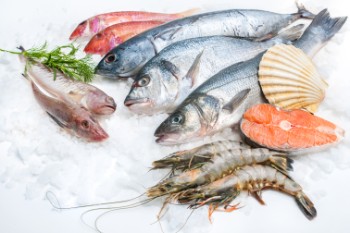
  2. Fatty fish – the omega 3 fatty acids in fatty fish like salmon, tuna, and mackerel are known anti-inflammatories, so eating these types of fish 2 or 3 times a week will support the gut healing process.
  3. Probiotic foods – probiotic foods (foods that are fermented) contain good bacteria. and eating these will help address the bacterial balance in your gut. Increasing the colonies of good bacteria will help reduce the impact of bad bacteria. Foods to consider are yoghurt (Activia contains the highest numbers of probiotics), kefir, cheese, and fermented vegetables (make sure they have been pickled in salt, not in vinegar).

A question I get asked regularly is: “How long does it take to repair my gut?”.  And the answer is “It depends”.

Not helpful, I know! But the recovery time depends on so many individual factors, that all I can say is that it can take anywhere from 3 months to 2 years. But you will start to notice improvements during the first month though if you apply these 6 nutritional strategies for healing your gut.


If you want support for your gut healing journey, a great place to start is with a diet assessment. And you can complete one right now for free!


 

How Leaky Gut affects your Endometriosis

If you have endometriosis, it is very likely that you have Leaky Gut, if you have any of the symptoms that I mentioned in this post regularly.

So you may be wondering how Leaky Gut affects your endometriosis.

Well, firstly it is crucial to realise that Leaky Gut means you are not absorbing all the nutrients from food. So even if you eat a fantastic diet, it is likely that you are not getting all the nutrients you need. Your body will be trying to function on less than it needs.

Secondly, Leaky Gut allows undigested food particles to go through the gut lining and enter the bloodstream.

This causes your immune system to kick into gear: it’s detected foreign substances in the bloodstream and needs to do something about it. Remember, your immune system is already super sensitive and triggered way to easily.

One of the key tools your immune system uses is inflammation. It is the kick-off signal of various other immune responses.

Now, because of your Leaky Gut, undigested food particles are constantly entering your bloodstream, causing systemic – or widespread, constant – inflammation. The way your Leaky Gut affects your endometriosis is by causing organs and tissues in your body to become inflamed and as a result become these beautiful ‘landing sites’ for endometrial tissue to land in and settle.

As you read in a previous post (read it here), the inflammation worsens your Leaky Gut, and you are stuck in a vicious cycle.

If you are trying to eat really healthy and be in optimal health, you may not achieve it, despite all your fantastic efforts, if you don’t heal your Leaky Gut. Just eating ‘healthy’ may not be enough.

In the next post I will give you specific strategies for healing your gut.

In the meantime, if you are wondering if what your eating is the right diet for your endometriosis, I can help with a free diet review.

Complete the free diet assessment here.

The immune-boosting nutrient you may not be getting from food

So now that we’re at the end of September and at the end of our focus on the immune system and Endometriosis, I need to mention one more immune-boosting nutrient.

I didn’t mention it in this article because although some foods contain this nutrient, the body doesn’t absorb it very well from food if there are digestive problems - which most women with Endometriosis have.

One guess what this nutrient might be …

Yes, vitamin D.

Firstly, a fun fact about Vitamin D: it’s actually not a vitamin, but a hormone!

Vitamin D plays an important role in bone growth, by carrying calcium to the bones. And it helps to regulate the immune system.

Studies on the role of vitamin D in the immune response have shown that T cells and B cells (key cells involved in the immune response) are able to process and respond to vitamin D.  That means that vitamin D can help protect against infection.

And even more important is the fact that vitamin D deficiency seems to contribute to autoimmune diseases like inflammatory bowel disease.

In light of the inflammation that underpins your Endometriosis, healthy levels of vitamin D are needed to help ‘calm down’ the growth of T and B cells; reduce the production of inflammatory cytokines; and increase the production of anti-inflammatory cytokines.

So how does the body get the right levels of the immune-boosting nutrient vitamin D?

When the sun hits unprotected skin (if you’ve got sunscreen on, this will not happen as easily), the ultraviolet light is turned to previtamin D3 in your skin. Body heat then creates a version that is transported via your blood stream to the liver. In the liver it is turned into another form of previtamin D which goes to the kidneys where active vitamin D is produced. And if the body produces too much vitamin D, it gets stored in fat cells.

Quite a bit of a process, isn’t it?

Now, you may or may not be vitamin D deficient. Surprisingly, considering the fact that we live in a country with lots of sunshine, a large percentage of people is vitamin D deficient. Because they don’t spend enough time outside in the sun, or when they do they are ‘covered’ up with clothes and sunscreen to prevent skin cancer.

So should you then take a supplement?

Unless you have been tested and shown to have vitamin D deficiency, no. Too much vitamin D creates high levels of calcium in the blood which can lead to stones.

Also, because of your digestive problems, absorbing vitamin D from food or supplements may not be very effective.

No, my first suggestion is to get some sunshine, around 10-20 minutes each day on unprotected skin or if you use sunscreen, longer. Allow your skin to do what your digestive system is not able to.


If you are worried that you might be vitamin D deficient, it may be a good idea to get tested. You can go to you GP to organise a test, or contact me for a referral form.

And if you want to improve your vitamin D absorption from food, why not join the 5-day Online Gut Health For Endometriosis Challenge?


The focus for October's posts is Gut Health. We'll look at what 'leaky gut' is; why it contributes to your Endometriosis symptoms, and how you can start to heal your gut. Of course, joining the 5-day Gut Health for Endometriosis Challenge will be a great way to get you started!


Recipes that will support and improve your immune system.

So September has been about the immune system and how it affects your Endometriosis.

Let’s recap.

I started by explaining how your immune system differs from women without Endometriosis. Your immune system is triggered more easily and overreacts. If you missed the post, you can read it here.

Then I explained how this overreacting immune system causes the systemic inflammation that creates such a perfect environment for endometrial tissue to ‘settle’ outside your uterus. Read the full post here.

And last week I shared with you 5 key nutrients that support and build your immune system.

But you may wonder how to pull it all together in the meals you eat.

So I thought I’d finish the month with some recipes that will support and improve your immune system.

Now as you may know, I’m passionate about nutrition, but I hate cooking. So any meal that I cook has to be nice to eat AND super easy to make. I don’t go for fancy meals. I’ve taken our favourite family meals and tweaked them.  So if you are not too keen on cooking either, you might like these! You can download the recipes by clicking on them.


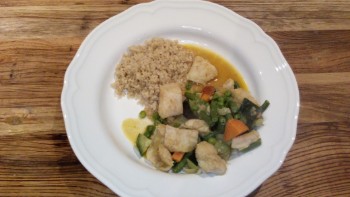
1. Tray-baked chicken with mushrooms and steamed vegetables

I have to start with this one, because based on the feedback from my clients, this is a winner!

So why is it a great meal to support the immune system:

  • It contains a good source of protein in the chicken
  • The variety of vegetables and the vegetable stock paste (you’ll need the recipe for that too – download here) makes sure the meal contains a wide range of vitamins and minerals.
  • The mushrooms are the only plant food that contains vitamin D. I didn’t write about vitamin D in my previous post, because the best way to get enough vitamin D is by getting into the sun.


2. Vitamin A soup with haloumi

Vitamin A and beta-carotene are powerful anti-oxidants, and this soup provides it in spades. If you’re dairy free, you can leave out the haloumi and replace it with a good source of protein, such as chicken, or with lentils for a vegetarian option.


3. Easy fish curry with brown rice

The tikka sauce used in this curry contains turmeric and ginger, both powerful anti-inflammatory spices. To make it a truly immune system supporting curry, make sure you use sweet potato, carrot and broccoli and you could swap the white fish with tuna or mackerel.

So 3 easy recipes that will support and improve your immune system, without spending hours in the kitchen. I’d love to hear which recipe is your favourite!


The theme for October is Gut Health, and I am running a free 5-day Gut Health for Endometriosis challenge from Monday 7 – Friday 11 October.

Your gut health has a major impact on your microbiome (our theme for August) and immune system. To find out more about the challenge and sign up: 5-Day Gut Health for Endometriosis Challenge

Nutrients to build and support the immune system

Over the past 2 weeks, I’ve explored the role of the immune system and the inflammation is creates because it’s not functioning optimally.

“Yes, and what do I do about it?” I hear you ask.

Well, the good news is that we know which nutrients play a key role in the immune system and that deficiencies of these nutrients are causing the problems with the immune system. So by increasing the intake of nutrients to build and support the immune system, you can help reduce inflammation.

So let’s take a close look at these nutrients, and the foods that they are in.


Zinc

Zinc plays 2 important roles: as a co-factor (like an ‘assistant’) in immune processes, and as an anti-oxidant protecting against free radicals, and even as an antiviral. Foods high in zinc are pumpkin and sunflower seeds, egg yolks, seafood, oysters and beef.


Vitamin A and beta-carotene

Beta-carotene is found in orange and red fruit/vegetables. The body converts it in to vitamin A, in just the right amounts needed.

A deficiency in vitamin A causes immune cells to function less well and affects the health of mucous membranes (a key defence against pathogens).

Beta-carotene is an antioxidant in itself that is active during the immune system’s response to infection.

Foods high in beta-carotene are: carrots, broccoli, red capsicum, papaya, sweet potatoes. Vitamin A is found in kohlrabi, egg yolks, carrots, apricots, and fish liver oils like cod liver oil.


Vitamin C

Vitamin C is very actively involved in the immune system, as an antioxidant, to stimulate the immune response, fight off infection, as an anti-allergic, and by increasing the activity of white blood cells.

Foods high in vitamin C are: mango, guava, strawberries, blackcurrants, sweet potatoes, paw paw, pineapple, and kiwi.


Essential Fatty Acids

As inflammation is at the core of Endometriosis/Autism, any nutrient that has powerful anti-inflammatory actions should be included. Essential Fatty Acids in Omega-3 Fish Oil  and fatty fish like salmon, tuna, mackerel, rainbow trout help keep immune cells undamaged and functioning properly.


Antioxidants

Antioxidants are a number of vitamins and minerals that help the body to get rid of free radicals (which create damage that causes inflammation).

Important antioxidants are vitamin E (in almonds, egg yolks, hazelnuts and corn); selenium (found in Brazil nuts, alfalfa, meat, eggs, onion, garlic, broccoli); acetyl-l-carnitine (found in avocados, beef, chicken and fish); and alpha lipoic acid (in broccoli, potatoes, spinach, tomatoes).


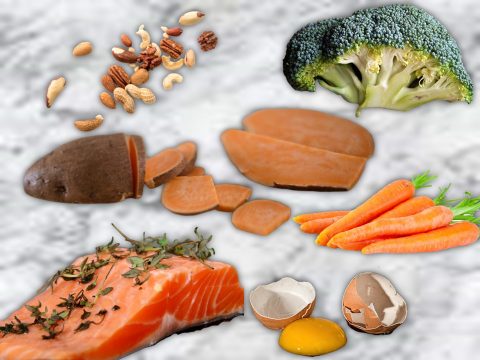
Looking at these nutrients and the foods they are in, some foods are clearly strong supporters of the immune system, and you might want to start eating more of these:

  • Sweet potatoes
  • Eggs, especially yolks
  • Carrots
  • Fatty fish such as salmon, tuna, mackerel, rainbow trout
  • Pumpkin and sunflower seeds
  • Almonds and Brazil nuts
  • Broccoli

Adding more of these foods that contain nutrients to build and support the immune system will help reduce the inflammation that is creating so much havoc.

Next week I’ll share some recipes with you. As you may know, cooking is not my forte (not calling myself the reluctant cook for nothing!), but I do have some family favourite recipes that are great for the immune system.

Are you a keen cook and love to come up with great recipes? Then head on over to my Facebook page to take part in a challenge to create a wonderful recipe from the ingredients above.

Eat Well Live Well with Autism

or

Eat Well Live Well with Endometriosis

How your immune system affects your Endometriosis

In last week’s post I explained how your immune system is different from women without endometriosis. (If you missed it, you can read it here).

But you might be asking ‘So what?’

Well, your immune system affects endometriosis by creating inflammation.

Although hormones play a part in your endometriosis, it is first and foremost an inflammatory disease. The systemic inflammation in your body provides a perfect environment for endometrial tissue outside your uterus to find places to adhere and grow.

Inflammation is a key response by the immune system to a real, or perceived threat.  You may have noticed when you have a cut on your hand that it can become red and warm to the touch around the cut. This is inflammation , and is an essential process to kill of any bacteria or other dangerous pathogens.

The systemic inflammation that underpins your endometriosis is, unfortunately, not such a useful response, because it is a response to non-existent danger.

One way that your immune response is triggered is through leaky gut, or gut hyper permeability.

What this means is that your gut wall allows undigested food particles through into the blood stream. Your immune system recognises these particles as invaders and springs into action! Bloating, constipation and diarrhoea, brain fog are all indicators of leaky gut.

A healthy gut is one of the key elements for a healthy immune system and if you are looking to improve your endometriosis symptoms, this should be your first focus.

If you are interested in exploring how you can improve your gut health and experience the effects of a healthier gut, I’d love to invite you into a FREE 5-day Gut Health Challenge. You can find more information about the challenge here (and you can sign up straightaway):


5-day Gut Health Challenge


In next week’s post we will look at specific nutrients that are key supports of the immune system, and the foods that contain these nutrients.

The Immune System in Women with Endometriosis

The immune system of women with Endometriosis has a significant impact on their symptoms because it is different from that of women without the disease.

If I ask you what the immune system does, you’d probably know that it helps fight off disease.  It helps to protect us from microbial pathogens, like viruses and bacteria, as well as foreign substances, like pollen, and cancer cells.

We actually have 2 types of immune responses.

Our primary immune response kicks into gear immediately when a pathogen or substance enters the body. This first line defence is made up of your skin, mucous, saliva, tears, and hydrochloric acid in the stomach.

If the pathogens get through the first line of defence, we’ve got a second immune response, where your body produces specific proteins;  specific immune cells; and inflammation.

The secondary immune response is not immediate. It develops when the immune system has ‘learned’ from the primary response that certain pathogens should be fought off. For example, if you have been exposed to a particular cold virus strain, the next time you’re exposed to it, your immune system will have developed specialised T-cells and B-cells to kill that specific strain.

We know that the immune system of women with Endometriosis has some problems:

  • Natural killer cells, which are part of both the primary and secondary response, don’t work as well as they should.
  • More pro-inflammatory cytokines.
  • An excess of T regulatory cells (which suppress the immune response of other cells of the immune system), especially in the pelvic cavity, but they are activated less.
  • Auto-antibodies and anti-endometrial antibodies are present, causing a kind of allergy response.

What this means for you is that your immune system is not able to deal properly with bacteria that produce endotoxins (the bad bacteria in your microbiome) and it reacts to endometrial tissue as if it is a dangerous pathogen.


In next week’s post, we’ll look at how this impacts your endometriosis.

Can you improve your fertility when you have Endometriosis?

Improve your fertility

Infertility affects 30 to 50% of women with endometriosis. So almost half of women who have endometriosis will experience infertility or difficulty falling pregnant.

And in 25 to 50% of infertility cases endometriosis is a cause.

For many women, trying to fall pregnant and not succeeding is the time when they finally find out that they have endometriosis.

I have quite a few clients who mention infertility as an Endometriosis symptom they want to improve by changing what they eat.

  • Some are in their mid-30s and are realizing that they're running out of time.
  • And some also have other health concerns that further reduce their fertility.

So in this article, I’ll talk through some of the key steps in the conception process that you need to optimize if you want to improve your chances of falling pregnant. Because there are definitely things you can do to improve your fertility, and your chances of falling pregnant and delivering a healthy baby.

Optimise your egg quality.

We know that women are born with all the eggs they'll ever have. And we we've long thought that the eggs are the eggs or the follicles are the follicles, and there's very little you can do to improve the quality of those eggs.

But we now know that that is not the case. There's actually a lot you can do to improve the quality of your eggs!

One of the main causes of miscarriages or not even falling pregnant when you're trying naturally is because the egg is not of good enough quality and then an embryo will not form properly or will not survive.

A quality egg, when fertilized, is more likely to produce a healthy embryo, which is crucial for the implantation stage and to reduce the risk of miscarriage.

Improve your ovulation

If you want to fall pregnant naturally you need to ovulate, because during ovulation you produce an egg.

And Endometriosis may be affecting your ovulation. For example, if you have Endometriomas on your ovaries, you either may not ovulate or the egg can not be released. Tissue on your fallopian tubes will also affect your ovulation.

Increase the likelihood of implantation

For implantation to take place you need a) a healthy embryo seems to find the perfect implantation spot in the uterus; and b) a healthy uterus wall.

I read an interesting research article not so long ago. It wasn't about Endometriosis, but the researchers looked at women with inflammatory bowel disease who seemed to have lower than normal fertility.

Inflammatory Bowel disease is an autoimmune disease that has a lot of symptoms in common with endometriosis, like systemic chronic inflammation. The researchers looked at whether the uterus wall was also inflamed, and how that might affect implantation. They found that women with inflammatory bowel disease also have inflamed uterine walls, and their theory was that the inflammation reduced the chances of an embryo successfully implanting.

What can you do to improve your fertility?

Endometriosis does not need automatically mean infertility. Just the other day I received an email from a former client to let me know she was 14 weeks pregnant. So how did we improve her fertility?

We designed a way of eating, a ‘diet’, specifically tailored to her and her food sensitivities. Any food sensitivity that goes undetected will contribute to inflammation and removing those foods and replacing them with alternative to ensure she got all the nutrients she needed reduced her inflammation, improved ovulation and led to a healthy implantation.

Another client was not only worried about her Endometriosis, but also concerned that her age – she’s in her late thirties – meant she was running out of good quality eggs. Not only is she following her tailored diet, she and her husband are also taking specific supplements to improve egg and sperm quality.

There are more strategies we can use to improve your fertility naturally.

And if you’ve read this article all the way to this point, I’m guessing fertility is something that you are either concerned about right now, or in the near future.

So you may be interested in "Improve Your Fertility Naturally" - a new program I’m planning to offer. I’m in the planning stages and am going to trial at the beginning of 2022. I will be offering the first program to a small number of women, for a drastically reduced fee, to help me test it. For now, I’m inviting women who have Endometriosis and:

  • Are thinking about trying for a baby, or
  • Have been trying for a while, unsuccessfully so far; or
  • Are considering IVF; or
  • Have been able to fall pregnant but have had miscarriages; or
  • Are over 35 years old; or
  • Any combination of the above!

If you said yes to any of these and would like to do anything you can to improve your fertility and chances to have a healthy baby, you can register your interest (obligation-free!) here.


Leaky gut? Why it is a problem in Endometriosis

In my previous post I explained leaky gut: did you have some or all of the signs? You may have thought those were symptoms of your Endometriosis, and they are … caused by your leaky gut.

So why should you be concerned about having a leaky gut (besides finding the symptoms hard to live with)?

Firstly, it is crucial to realise that having a leaky gut means you are not absorbing all the nutrients from food. So even if you eat a fantastically healthy diet, it is likely that you are not getting all the nutrients you need. Your body will be trying to function on less than it needs.

Secondly, leaky gut allows undigested food particles to go through the gut lining and enter the bloodstream. This causes your immune system to kick into gear: it has detected foreign substances in the bloodstream and needs to do something about it. Remember, your immune system is already super sensitive and triggered way to easily.

One of the key tools your immune system uses is inflammation. It is the kick-off signal of various other immune responses.

Now, because of your leaky gut, undigested food particles are constantly entering your bloodstream, causing systemic – or widespread – chronic inflammation. The organs and tissues in your body become inflamed and as a result become these beautiful ‘landing sites’ for endometrial-like tissue to land in and settle.

The inflammation worsens your leaky gut, and you are stuck in a vicious cycle.

If you are trying to eat really healthy and be in optimal health, you may not achieve it, despite all your fantastic efforts, if you don’t heal your leaky gut. Just eating ‘healthy’ may not be enough.

To heal your gut there are certain foods you should avoid eating and other foods that you should eat more of or should start eating. And in my next post I will explore those in more detail.


Having Endometriosis can be a lonely experience: most of the women in your life may not really understand how debilitating it is. After all, you look normal – you don’t look sick! But you are sick, you have a chronic illness. If you would like to join a community of women who will truly understand what you are going through, and who are, like you, looking for ways to manage their Endo in a more natural way, join my facebook group: Reclaim Your Life from Endometriosis.

Hormonal disease or immune system problem – that is the question

Most women assume that endometriosis, like any other menstrual condition, is a hormonal disease. One of excess oestrogen production.

The conventional treatment is to try to shut down oestrogen production in your body – with the pill or medication that creates a menopause-like state.

There definitely is a connection between Endometriosis and oestrogen, but an excess oestrogen does not explain how endometrial tissue ends up outside your uterus. And why you have symptoms that are more like digestive problems, such as bloating, constipation and/or diarrhoea, flatulence, vomiting.

So although hormones are involved, Endometriosis is NOT an hormonal disease. Did you know that it is most similar to Inflammatory Bowel Disease – not any other oestrogen related disease.

We know that endometriosis has a connection with your immune system. Women with endometriosis:

  • have less natural killer cells – the cells that get activated when there are foreign ‘invaders’ detected
  • release too many cytokines (small proteins that are important in cell communication) in the presence of certain bacteria
  • produce more antibodies
  • produce more lymphocytes (white blood cells involved in immune response) in the pelvis, but they are less active

All this means is that you have an overly sensitive immune system that kicks into gear too quickly  but is less effective than is should be.

Women with endometriosis also have more bacteria like eColi in their pelvic and urinary system. What most women don’t realise is that conventional medication for endometriosis increases the activity of these bacteria and other bad bacteria in your gut, making your endometriosis worse.

So, what does that mean to you if you have endometriosis?

Your gut microbiome (trillions of microorganisms and their genetic material that live in your digestive system), regulates your immune system.

By improving your microbiome, you can help you immune system function better. And an improved immune system means a less extreme reaction, which means less endometriosis symptoms.

The good news? Nutrition is the number 1 method to improving your gut microbiome.


Everything you eat or drink affects the severity of your Endometriosis symptoms: some foods make your symptoms worse, some make them less severe.

Download this free report to find out about 5 Things You Eat and Drink that are making your Endometriosis symptoms worse.


Download the report.