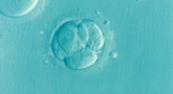
How to reduce the risk of miscarriage and support embryo development

The first 13 weeks after your egg has been fertilised are crucial for the development of the embryo, and also contain the highest risk of miscarriage. Let’s look at reducing the risk of miscarriage first.

Why does miscarriage occur?

  • Underpinning your Endometriosis is chronic, systemic inflammation. That means your uterine wall is likely to be inflamed as well, and a study into another chronic inflammatory disease showed that implantation is less likely to happen when the uterine wall is inflamed.
  • Chromosomal abnormalities in the embryo. As I explained in my article on egg quality (if you haven’t read it yet, you can do so here), low quality eggs lead to chromosomal/DNA mutations, which are often not compatible with life. This is one of the main factors that increases the risk of miscarriage.
  • Low levels of vitamin D. Vitamin D is needed to allow the placenta to develop optimally. If the placenta does not develop properly, the pregnancy is not viable.
  • Thyroid conditions. Even very mild thyroid conditions can increase your risk of miscarriage.
  • Gum disease has a major effect on fertility. It increases the time it takes to fall pregnant; increases the risk of miscarriage; and increases the risk of preterm birth as well as low birth weight.


Embryo development

The embryo goes through a very intense development during the first 13 weeks.

  • Weeks 1-2: it divides rapidly from 1 cell to 2, to 4, to 16 etc. and at the end of week 2 it reaches your uterus
  • Week 3: the embryo implants in the uterus and the placenta begins to form.
  • Week 4-5: the heart begins to beat and all major organs and body systems start to form
  • Week 6-7: facial features develop and the brain’s more complex parts begin to form.
  • Week 8-13: bones start to form and some muscles start contracting.

As you can see, the first 13 weeks of your pregnancy lays the foundation for a healthy foetus and overall pregnancy.


How to reduce risk of miscarriage and optimise embryo development

Reducing the risk of miscarriage and optimising embryo development should start well before you even ovulate. The best time to start working on it is about 4 months before your egg is fertilised, but everything you do right now will make a difference and increase your chances of a healthy pregnancy and baby.

  • Follow a personalised anti-inflammatory diet. Reducing inflammation not only improves your Endometriosis symptoms, it also makes implantation more likely. (Read Why your need to reduce inflammation to improve your fertility). What your personalised anti-inflammatory diet looks like depends on your unique food intolerances.
  • Focus on egg quality. As I describe in “Egg quality: why it is key in fertility and how-Endometriosis affects it”, Endometriosis directly affects the quality of your eggs. Diet and specific supplements can improve the quality of your eggs.
  • Make sure you get your thyroid tested and take thyroid medication if there are any issues.
  • Look after your teeth and gums. Brush, floss and see the dentist regularly to prevent gum disease.


For the tailored anti-inflammatory diet and supplements, you will need help from an expert. If you’d like to discuss how you could reduce the risk of miscarriage and improve embryo development, you can book a free 30-minute Endometriosis SOS Call.
3 Steps to optimise your ovulation and your chances of falling pregnant

If you are trying to fall pregnant naturally, spending some time considering how to optimise your ovulation is important. After all, it has taken your egg around 4 months of hard work to get ready for it (if you haven't read my article on egg quality, you can read it here)

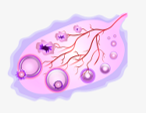
Ovulation happens when a follicle in the ovary empties itself and the egg ‘jumps’ from the ovary into the Fallopian tube. It then travels down the Fallopian tube, where most fertilisation takes place, to the uterus.

There are a few factors that can hinder the ovulation process.

If you have Endometriosis or Endometriomas (also called chocolate cysts) on your ovaries (although Endometriomas are most often found on the left ovary) or your Fallopian tubes, it may:

  • Reduce your ovarian reserve (the number of healthy follicles in the ovary)
  • Interfere with your hormones. Luteinising hormone levels spike just before your ovulation and provide the trigger for the follicle to release the egg.
  • Damage the ovaries with the tissue or cyst ‘stretching’ the ovarian tissue
  • Block the Fallopian tubes.

So, what can you do to optimise your ovulation?

1.      Track your ovulation

Unlike your period, ovulation can be a bit of a ‘silent’ affair. Some women feel when they ovulate, but many don’t. To fall pregnant, you need to have sex in a 48-hour window around ovulation, so being able to pinpoint the event can be very helpful.

If you have a very regular cycle, the same length every time, then a simple calendar method can help. You will ovulate 14 days BEFORE your next period (not AFTER your last period). So, if you have 28 day cycle, you’ll ovulate on day 14. If you have 30-day cycle, you’ll ovulate on day 16. And if you have a 26-day cycle, your ovulation happens on day 12.

A few more tracking methods can be helpful:

  • Basal Body Temperature: a slow steady rise in temperature is caused by the rise in progesterone. Take your temperature first thing in the morning before you even get out of bed.
  • Ovulation Predictor Kits help you determine the Luteinising hormone levels in your urine. A sharp rise tells you you’ll probably ovulate in the next 12 to 36 hours. Start testing 5 days before you think you might ovulate to catch the rise.
  • Saliva testing. Saliva undergoes chemical changes during ovulation and a saliva test can pick this up and show crystal-like formations at 24-72 hours before ovulation.
  • Cervical mucus changes: around your ovulation the consistency of your cervical mucus starts to change. It becomes thinner and clear (a bit like raw egg white). The method works best in addition with the temperature tracking.

2.      Avoid chemicals that can disrupt your hormones

Hormones play a key role in ovulation and some chemicals are known hormone disrupters. Chemicals you want to be particularly weary about are plastics (in water bottles and food containers, as they can leak into the liquid or food); dioxins (which are produced when waste and petrol is burned and accumulates in the fatty tissue of animals); phthalates (chemicals that create the fragrance in washing powders, fabric softener, cremes you put on your skin, and in perfumes); phyto-oestrogens (soy products); and pesticides on fruit and vegetables (go organic for berries, spinach, kale and spinach, nectarines and peaches, apples and pears, grapes, celery, tomatoes, and capsicum/bell peppers and chili.

3.      Adjust your diet and use supplements

To make sure your ovaries function optimally, you need to reduce your Endometriosis and shrink any endometriomas you have.

The best way to reduce your Endometriosis is the eat a personalised anti-inflammatory diet, by identifying and removing the foods that you are intolerant to, and adding foods that contain anti-oxidants and are anti-inflammatory.

If you have Endometriomas, you may want to consider taking a supplement for N-acetyl-cysteine (NAC). It has shown to be able to shrink your Endometriomas.


For the tailored anti-inflammatory diet and supplements, you will need help from an expert. If you’d like to discuss how you could optimise your ovulation, you can book a free 30-minute Endometriosis SOS Call.
 

Egg quality: why it is key in fertility and how Endometriosis affects it

Reduced egg quality is the key factor in fertility for women with Endometriosis and/or who are over 35 years old. What is egg quality, and why is it so important? And of course, what can you do to improve it?

We are born with all the eggs we’ll ever have. When we were a foetus in our mother’s womb, we already had all the eggs we’d ever have, around 6 million in fact. But when we were born there were around 1 million left and by the time you hit puberty there are around 300 remaining. Then each cycle, around 300 to 400 eggs start a maturing process with usually only one egg remaining for ovulation.

The interesting thing about the maturing process is that it doesn’t start after your last period. That little group of eggs starts the maturing process 4 months earlier! It really is a survival of the fittest kind of story, with only 1 egg making it to just before ovulation.

At this point the egg undergoes it’s most difficult process, called meiosis. It needs to duplicate itself 3 times with 1 of the duplications not making it each time.

The tricky part of the meiosis process is that the DNA in the egg needs to be duplicated as well. If anything goes here, the egg will not be viable for fertilisation or embryo development.

What the egg needs most for the 4 month maturing process and especially the meiosis process is energy, and lots of it. Fortunately, the egg has its own ‘powerplants’, the mitochondria. Mitochondria take fuel and turn it into a specific form of energy called ATP.

So an egg that is of high quality is one that can produce a lot of the ATP as and when it needs it.

A few factors affect energy production.

Age

Age does not cause chromosomal abnormalities, but as we age, mitochondria become damaged and the number of mitochondria in the egg decline. As a result, age predisposes the egg to not mature properly.

Endometriosis

The inflammation that is such a key factor in Endometriosis (to find out more, read my article Why you need to reduce inflammation to improve your fertility) affects your eggs as well because of oxidative stress which damages the mitochondria.

Plastics and chemicals

We are exposed to so many chemicals and toxins, it’s hard to avoid them. But some specific ones are important to consider because they have such an impact on the quality of your eggs. The first one is a plastic, BPA. BPA (in water bottles, food containers, even on paper receipts) interferes with the meiosis process and causes chromosomal abnormalities. Many countries have banned BPA, but even BPA-free products can still ‘leak’ when they come in touch with liquids and/or hot materials. A much safer alternative is glassware or metal containers/drink bottles.

Like BPA, another chemical called Phthalates, compromise egg (and sperm!) development. Phthalates are found in plastics, cleaning products, nail polish and fragrances and are considered reproductive toxins by the European Union, and endocrine (hormone) disruptors by the U.S. FDA.

How to improve the quality of your eggs?

There are a few key strategies for improving the quality of your eggs:

  1. Eat an anti-inflammatory diet that has been specifically tailored to you, and your unique food intolerances.
  2. Remove plastics and Phthalates from your world
  3. Use supplements to improve your egg’s ability to produce energy.

You can start right now on strategy 2.

For the tailored anti-inflammatory diet and supplements, you will need help from an expert. If you’d like to discuss how you could improve your egg quality, you can book a free 30-minute Endometriosis SOS Call.
Gluten: how they are one of the main factors in your Endometriosis symptoms.

There is a lot of 'noise' around gluten and whether or not you should remove them from your diet. My viewpoint is that only if gluten are causing your problems should you remove them.

And because you have Endometriosis, removing gluten from your diet is an important strategy.

Let me explain why.

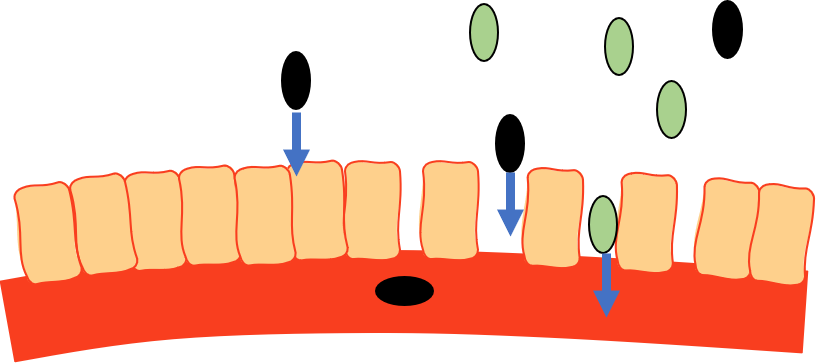
There is a strong connection between autoimmune diseases (where your immune system starts attacking healthy organs and tissues instead of bacteria and viruses), and women with Endometriosis have been found to have an immune response to gluten in wheat just like people with Coeliac Disease.

The immune response to gluten creates a vicious circle which makes the reaction worse over time:

  1. It weakens the connections between the cells in the lining of your gut;
  2. Contents of your gut can then 'leak' through.
  3. Your immune system classifies these leaked particles as invaders and produces antibodies to fight them off.
  4. Which leads to inflammation of the gut.
  5. The inflammation further weakens the gut lining.
  6. Etc.

In a study done in 2012, where patients with painful endometriosis were put on a gluten-free diet for 12 months, 75% of patients saw a clear improvement in pain after 12 months. They also noticed improvements in physical functioning, general health perception, vitality, social functioning, and mental health.

The other 25% saw no change, and nobody reported that their symptoms had worsened.

As with many autoimmune-like diseases (Endometriosis has not yet been formally classified as one), we are not completely clear on why the immune system goes crazy. But we do have good evidence that removing wheat from your diet can improve your symptoms!

So what are gluten?

Gluten is the name for the protein in wheat that makes the wheat 'stretchy'. Our bodies don’t do anything with them, they don’t have any nutritional value. And in healthy people, they just get broken down and removed.

But if you have Endometriosis, you really should remove wheat from your diet.

The grains to avoid are:

  • wheat (in breads, biscuits, pasta, breakfast cereals)
  • wheat germ
  • rye
  • barley
  • millet
  • spelt
  • semolina

You can replace these grains with:

  • Brown rice
  • Corn
  • Buckwheat (which isn't a wheat at all)
  • Flax
  • Arrowroot
  • Legumes
  • Quinoa

And check products like oats - they don't contain gluten, but are often processed in machines that also process wheat, so there may be traces of gluten in them.

Many processed foods contain gluten, even if they don't seem an obvious source:

  • Soups
  • Frozen chips (they're dusted with flour before they're frozen)
  • Processed cheese and meats
  • mayonnaise
  • ketchup
  • soy sauce and teriyaki sauces
  • salad dressings


Leaky gut in Endometriosis: you may have it without knowing it

I want to start with the concept of Leaky Gut (or intestinal hyperpermeability), because most women with Endometriosis have it, often without realising it..

In a normal, healthy, gut the lining provides a barrier between the gut and the bloodstream. Only fully digested food, once it’s broken down into the smallest molecules, will be able to pass from the gut, through the gut wall, into the bloodstream to be transported to where it’s needed.

A leaky gut has a damaged gut lining – with cracks or holes that allow undigested food particles, toxins, and bacteria to get through and into the bloodstream. Now because undigested food particles, toxins and bacteria are not meant to be in the blood stream, the body reacts to this quite strongly, in a way that affects your endometriosis directly. I’ll go into how exactly in the next post.

We know that women with Endometriosis have a damaged gut lining and leaky gut as a result of the combination of a genetic disposition (a vulnerability you are born with) and your microbiome.

You may not be aware of it, but if you have any of the following symptoms, it is very likely that you do have leaky gut:

  • Chronic diarrhoea, constipation, gas or bloating.
  • Headaches, brain fog, memory loss.
  • Excessive fatigue.
  • Skin rashes and problems such as acne, eczema or rosacea.
  • Cravings for sugar or carbs.
  • Arthritis or joint pain.
  • Depression, anxiety, ADD, ADHD
  • Autoimmune diseases such as rheumatoid arthritis, lupus, coeliac disease or Crohn's

The cause of leaky gut is usually an intolerance reaction to food, in particular gluten (from wheat) and dairy. This sensitivity reaction causes inflammation, which in turn worsens the leaky gut – a vicious cycle.

If you want to learn more about how Leaky Gut affects your Endometriosis, and how your current diet may be contributing, join me on Friday 4 March, 12:30-1:30pm AEDT for a free workshop: 'How to work out if what you EAT is making your Endometriosis symptoms WORSE.

Register here

What’s inflammation got to do with it?

Endometriosis is not an hormonal disease but an inflammatory disease. So let me explain the relationship between endometriosis, inflammation and your microbiome.

We are host to billions of bacteria, making up your microbiome. The balance of these bacteria impacts virtually every function in your body. We know that in women with endometriosis that microbiome is out of balance: you have a higher concentration of ‘bad’ bacteria, like E.coli, in your microbiome. These ‘bad’ bacteria produce chemicals called endotoxins that signal the immune system to respond.

We also know that women with endometriosis have a sensitive immune system, meaning that it is triggered more easily and then reacts too strongly. The immune response create inflammation, in this case in the pelvic cavity. Inflammation is your body’s way of killing off the bad bacteria.

When you have endometriosis, this inflammation results in endometriotic lesions, on ovaries, fallopian tubes, bowel, spine, etc. These lesions cause the endometriosis symptoms.

So if your microbiome is at the core of the inflammatory response, changing your microbiome will have a positive impact on your symptoms.

If we increase the number of good bacteria and reduce the number of bad bacteria, the amount of endotoxins is less, so your immune system is triggered less.

Good bacteria also impact your immune system directly, through the chemicals they produce. A calmer immune system means less inflammation. Less inflammation means less endometriotic lesions. Less endometriotic lesions means reduced symptoms, in particular pain.

And this is where I get super excited! Most of the typical Endometriosis symptoms can be linked back to an immune or digestive problem. And what you eat and drink directly impacts your digestive system and indirectly your immune system.

Symptoms like bloating, constipation and/or diarrhoea, headaches and migraines, chronic fatigue and brain fog are not caused by oestrogen - the cause is found in your gut!


If you would like to discuss your Endometriosis symptoms and how diet affects their severity, book a 30-minute Endometriosis SOS Call. 
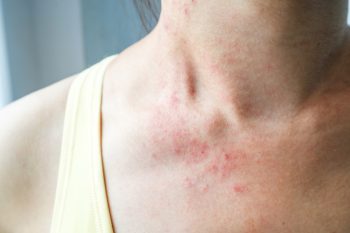
The symptoms of histamine intolerance

Histamine intolerance is often overlooked as a potential contributor to Endometriosis symptoms. And there is an obvious reason for it.

These are the symptoms of histamine intolerance:

  • Abdominal pain
  • Abnormal menstrual cycle
  • Anxiety
  • Arrhythmia (irregular heart beat)
  • Brain fog
  • Cramping
  • Depression
  • Difficulty breathing
  • Fatigue
  • Flushing
  • Gluten sensitivity
  • Headaches
  • Heart palpitations
  • High blood pressure
  • Hives
  • Insomnia
  • Irritability
  • Joint pain.
  • Migraines
  • Nasal congestion
  • Nausea
  • Racing heart
  • Rashes
  • Reflux/heartburn
  • Runny nose
  • Sneezing
  • Tissue swelling
  • Vertigo/dizziness
  • Vomiting

How many of the symptoms from histamine intolerance do you have?

Now, it would be great if we could quickly test you for histamine intolerance, like we can test for food allergies. But there isn’t a reliable lab test, unfortunately.

If, at this point, you thought you’d just go to the chemist and buy some anti-histamines and be done with it, I’ll have to disappoint you.

Anti-histamine medication suppresses symptoms AND adds to your overall inflammation by irritating your gut.

If you are sensitive to histamine, we need to minimise the amount that ends up in your system to begin with, so all the good work you’ve been doing with your anti-inflammatory diet is not going to waste.

And one of the great things about having an histamine intolerance is that if you remove histamine foods from your diet, you’ll feel better in just one week.

I think that might make the diet worth it, don’t you?

That’s why the “12 Weeks to Eat Your Way to Less Pain” program includes 1 anti-histamine week. Most women will get to the end of that week, and happily never worry about histamine again. Some women finally discover the main culprit behind many of their symptoms.

If you have some of the more unusual symptoms in the list of histamine intolerance symptoms and you would like to explore if histamine might be the culprit, please get in touch. It is important to do this diet under close supervision, because it is a very restrictive diet and we need to make sure you still get all the key nutrients. You can book an obligation-free Exploratory Chat right here.

Could you be histamine-intolerant?

Following an anti-inflammatory diet is the first crucial step to reducing your chronic inflammation and improving your Endometriosis symptoms. But if you are histamine-intolerant you may be blaming your Endo unfairly!

The inflammation is your immune system’s somewhat over-dramatic response to foods that are not really requiring the response. But we know, your immune system is more sensitive then that of women without Endo.

One of the ways your immune system is triggered is through histamine.

For some of you, the main cause of most of your symptoms might be that you are histamine-intolerant.

So what is histamine?

It is released by cells when they are triggered by an injury, an allergic reaction or by inflammatory reactions.

The best-known example is hay fever: when the pollen come in contact with the mucous membranes in your nose, they trigger an immune response and the cells in your nose release histamine. The role of histamine is to get rid of these invaders. And in the case of hay-fever, the histamine causes you to sneeze and have a runny nose.

Histamine intolerance in Endometriosis means your body doesn’t tolerate histamine and it overreacts to the presence of histamine.

There are two possible reasons for this:

  1. You could have chronically raised histamine levels. Your body’s normal response to raised levels of any compound is to try to reduce it back to normal levels. But after a while the body becomes irritated and an intolerance is created. Histamine levels can be raised because of food allergies, genetics, histamine-rich foods, allergies (non-food), bacterial overgrowth or imbalance, leaky gut, or fermented alcohol (beer, wine, spirits).
  1. Your body is not able to remove histamine properly. So histamine keeps circulating in your body, creating a constant immune response. This may be because of diamine oxidase (an enzyme that removes excess histamine) deficiency.


If you think you might have an histamine intolerance, sign up for my “12 Weeks to Eat Your Way to Less Pain” and discover if the anti-histamine diet might be the answer for you.

The foods that make you feel better

So far we’ve looked at all the no-no’s when it comes to your diet. The foods that I’ve suggested you remove are all pro-inflammatory and are contributing to your Endometriosis symptoms. But are there foods that will make you feel better? Foods that you should eat more of?

Yes, there are!

Antioxidant rich foods that make you feel better

Let me start by explaining what antioxidants do. It’s a term you hear a lot of, but not many people know what they are or do.

Certain foods, stress and less than optimum health are all factors that create free radicals. Free radicals are like a gang of aggressive hooligans, running around your body, damaging cells and tissues, and causing inflammation in their wake. Hmm, inflammation, again!

Antioxidants are like police officers, very good at catching those hooligans, slapping the handcuffs on and escorting them off the premises – i.e. your body.

If you eat a diet high in antioxidants, your body is able to remove the free radicals very effectively, reducing the unnecessary inflammation.

Foods that are high in antioxidants are:

  • Red/orange vegetables: Carrots, sweet potato, red capsicum
  • Green vegetables: broccoli, brussels sprouts, cabbage, Spinach
  • Fresh fruit, especially high in vitamin C: kiwi, citrus, guava
  • Seeds and nuts


Omega-3 fatty acids containing foods that make you feel better

In a study of more than 70,000 nurses in the US showed that it the amount of fat you eat doesn’t impact your risk of endometriosis, but the type of fat does.

Omega-3 fatty acids are known to help reduce inflammation. Foods to include in your diet are:

  • Fatty fish, like salmon, tuna, mackerel, herring, sea mullet, redfish, flounder, trevally, tailor, Sydney rock oyster, blue mussel, rainbow trout, and whiting.
  • Oils: flaxseed, hempseed, canola
  • Nuts: especially walnuts.


Fibre containing foods that make you feel better

Fibre plays an important role in removing excess oestrogen from your body. It can attach itself to oestrogen, and then help remove it from the bowel.

Foods high in fibre are:

  • Apples
  • Oats (but check they are truly gluten-free)
  • Fruit such as berries, pears (skin on), melon and oranges.
  • Vegetables such as broccoli, carrots and sweetcorn.
  • Peas, beans and pulses.
  • Nuts and seeds.
  • Potatoes with skin on.


Did you know that you can get a free diet review, where I provide you with some observations and recommendations for making changes to you diet to start reducing the severity of your symptoms?

Get your free diet review now!

Stop flooding your system with excess oestrogen from soy

Although Endometriosis is not caused by an excess of oestrogen (one of the 2 female hormones), women with Endometriosis do have higher levels of oestrogen and the endometrial tissue outside the uterus produces oestrogen as well.

So it makes sense to avoid adding more oestrogen to your system. After all, your poor liver has to get rid of the excess somehow, and it's working overtime as it is with your inflammation.

Some foods are oestrogen-producing and are hidden in many food products.

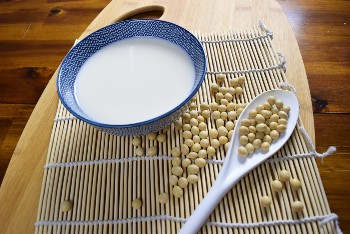
The main food to avoid is Soy, which can be found in:

  • tofu,
  • miso,
  • tempeh
  • soy milk
  • hamburgers
  • sausages
  • some cheese
  • ice cream
  • muesli
  • energy bars
  • any product that contains lecithin (in chocolate, packaged cakes and biscuits, mayonnaise and salad dressings)

And you may be surprised to know that alcohol not only suppresses your immune system, it also increases levels of oestrogen (even if you only drink a little), and the loss of B vitamins (key vitamins for your liver).

Now if you’ve read my post about the anti-inflammatory diet, you know that one of my main recommendations is to eat a wholefood diet. As you can see from the list of soy-containing foods, most processed foods contain hidden soy.

So avoiding processed foods and meats will go a long way to reduce the amount of soy you eat. If you are a vegetarian or vegan and rely heavily on soy products for your protein, try switching to nuts, legumes and pulses.


Are you ready to reclaim your life from Endometriosis by changing what you eat and drink? If so, and you want to not only get the right information, but also recipes for easy, tasty meals, and my personal support? Then my "12 Weeks to Eat Your Way to Less Pain" might be just right for you. Go check it out!