The Fertility Supplement I Always Recommend for Women with Endometriosis

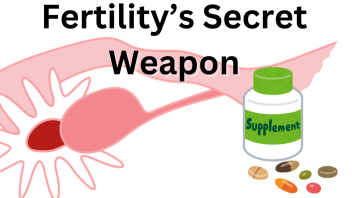
When you’re trying to fall pregnant, you’ll probably come across countless recommendations for diet changes, supplements, and lifestyle tweaks. It can feel overwhelming to know what actually matters. As a nutritionist who specialises in endometriosis, there’s one fertility supplement I always recommend to my clients: Coenzyme Q10 (CoQ10).

Let’s look at why this supplement plays such a crucial role in fertility—especially if you have endometriosis or are over the age of 35.

Why egg health matters

Your eggs don’t just appear ready for ovulation. In fact, each egg begins its maturation journey around four months before ovulation. During this time, the egg relies on energy production within its cells to grow and prepare for fertilisation.

Here’s where endometriosis complicates things. The condition interferes with the tiny energy factories inside your cells, called mitochondria. Instead of producing a steady, reliable flow of energy, the mitochondria may produce too little, too much, or at the wrong times.

This matters because, in the final 48 hours before ovulation, the egg undergoes meiosis—a process where the DNA must duplicate and split multiple times. If there isn’t enough energy to fuel this process, mistakes can happen. DNA may not copy correctly, leading to:

  • An egg that cannot be fertilised
  • Embryos with chromosomal abnormalities (which can result in miscarriage)
  • Increased risk of failed implantation

In short: without strong, energy-efficient mitochondria, egg quality suffers.


Why I recommend Coenzyme Q10

This is where Coenzyme Q10 comes in. CoQ10 supports mitochondrial function, helping fuel move smoothly through the cell and be converted into energy at the right times. Think of it as the traffic warden keeping everything flowing properly—or the hand that untangles the kink in your garden hose so the water flows again.


Research on CoQ10 first became popular for heart health because the heart requires enormous amounts of energy to keep pumping blood. But the same principles apply to your eggs: the healthier your mitochondria, the healthier your egg quality.

By improving mitochondrial function, CoQ10 can:

  • Support healthy DNA duplication in eggs
  • Reduce the risk of chromosomal abnormalities
  • Improve outcomes for natural conception and IVF


Why food isn’t enough

You may wonder—can’t you just eat more foods rich in CoQ10? While CoQ10 is found in foods like beef, spinach, broccoli, and eggs, the amounts are tiny. To reach the therapeutic dose shown to improve egg quality, you’d need to eat 20 kilos of beef a day or buckets of spinach. Not exactly realistic!

That’s why supplementation is essential.


When to start taking it

Ideally, you should start this fertility supplement at least four months before you begin trying to conceive. That gives your eggs the full benefit throughout their maturation journey. If you’re already trying, don’t worry—you can still benefit, especially during IVF cycles, as the eggs harvested will have had support from CoQ10 during their development.


Important considerations

While CoQ10 is available over the counter, most supermarket or pharmacy versions are too low in dose and often contain unnecessary fillers. The therapeutic dose—usually around 600 mg daily—needs to be tailored to your weight and tolerance.

For this reason, I always recommend working with a qualified natural health practitioner to get the right dose and access practitioner-quality supplements. This ensures you’re taking CoQ10 in the form and strength your body actually needs.


The bottom line

If you have endometriosis and want to improve your fertility, Coenzyme Q10 is the fertility supplement I never skip. It helps counteract the impact of endometriosis on egg quality, reduces the risk of chromosomal abnormalities, and supports both natural conception and assisted reproductive techniques.

You still need a personalised anti-inflammatory diet to reduce systemic inflammation, but when it comes to egg quality, CoQ10 is a game-changer.


If want to have chat about how you can improve your chances of falling pregnant with nutrition and supplements, reach out—I’d love to support you. Book your complimentary Endometriosis Discovery Call to get started: https://theendometriosisnutritionist.online/endometriosis-discovery-call/.
Detox and Endometriosis — Do They Really Help?

If you’ve ever searched for ways to reduce inflammation or ease Endometriosis symptoms, you’ve probably come across the idea of doing a detox. From juice cleanses to herbal remedies, detox plans are marketed as a way to “flush out toxins” and improve health. But do they actually help — especially when it comes to Endometriosis? Let’s take a closer look at the research and what really works.

What is a detox?

A detox can mean different things depending on who you ask. Popular approaches include:

  • Juice cleanses
  • Fasting or intermittent fasting
  • Herbal supplements
  • Colon hydrotherapy or enemas
  • Sweating through exercise or saunas
  • Elimination diets that remove gluten, dairy, sugar or other common irritants

Some practitioners swear by these methods. Others — including myself — are more cautious, especially when it comes to quick-fix cleanses.

The problem with detoxes for Endometriosis

When I looked into the scientific research, one thing became very clear: there is no strong evidence that detox programmes improve Endometriosis symptoms. In fact, detoxes in general haven’t been widely studied in relation to chronic inflammation and the little research that exists is inconclusive.

Endometriosis is complex and systemic, with chronic inflammation at its core. Short-term detox plans — even ones that make you feel lighter or more energised for a day or two — simply don’t address the deeper drivers of the condition.

The body already detoxes naturally

The concept behind a detox is that it gives your body a break and supports its natural detoxification pathways — systems like the liver, kidneys and digestive tract that remove waste and toxins. And yes, some people with Endometriosis may have genetic variations, such as in the MTHFR gene, that slightly reduce detox efficiency.

But here’s the key point: your body is already designed to detoxify itself. If it couldn’t, you wouldn’t be alive. While supporting these processes is important, there’s no need for extreme or restrictive regimes to make them work.

Where detoxes can go wrong

Some detox approaches, especially juice cleanses, are high in sugar and low in essential nutrients like protein and healthy fats. This imbalance can leave you feeling weak, hungry and irritable. They can also include foods you may be intolerant to, which could trigger symptoms rather than improve them.

Fasting is one area where there is a little more research. Some studies suggest it might help reduce inflammation, while others find no benefit. Even here, the evidence isn’t conclusive — and fasting isn’t suitable for everyone.

A better way to “detox” with Endometriosis

Rather than doing a short, intense detox, I recommend focusing on a sustainable, personalised anti-inflammatory diet. That means:

  • Removing foods you are intolerant to
  • Avoiding processed foods and refined sugar
  • Eating mostly whole, plant-based foods
  • Including healthy proteins and fats in every meal

This way, you naturally reduce the toxins and irritants you put into your body in the first place, meaning your detox pathways don’t have to work overtime.

Think of it as a long-term, gentle detox — one that your body can handle every day without the stress or nutrient gaps of a cleanse.

The bottom line on detox and Endometriosis

There’s no reliable evidence that short-term detox plans improve Endometriosis symptoms. In some cases, they may even make things worse. The most effective “detox” for Endometriosis is an ongoing, balanced approach to eating that supports your body’s natural processes and reduces inflammation over time.

If you’re considering making dietary changes to manage Endometriosis, it’s best to work with a qualified nutritionist who can help you create a plan tailored to your needs — without the risks of fad detoxes.


If you’re ready to start personalising your nutrition for Endometriosis, reach out—I’d love to support you. Book your complimentary Endometriosis Discovery Call to get started: https://theendometriosisnutritionist.online/endometriosis-discovery-call/.
Gentle Steps Toward an Endo-Supportive Diet: Why Small Changes Matter

Changing your diet is no small feat—especially when you're trying to manage a chronic condition like endometriosis. The idea of switching to an Endo-Supportive Diet might sound simple on paper, but in reality, it’s a journey filled with emotional, practical, and psychological hurdles. If you’ve ever felt overwhelmed by the thought of eliminating gluten or dairy, you’re not alone.

The truth is, our eating habits are deeply ingrained. Most of us operate on autopilot when it comes to meals—relying on routines, cultural norms, and comfort foods. That’s why the first step toward an Endo-Supportive Diet isn’t about tossing everything in your pantry. It’s about acknowledging that change is hard and approaching it with compassion and strategy.

Why Diet Changes Feel So Difficult

Food isn’t just fuel—it’s emotional, social, and habitual. Whether you’re cooking for yourself or juggling the needs of a partner or children, shifting to an Endo-Supportive Diet can feel like a logistical nightmare. Add to that the mental load of planning, shopping, and preparing unfamiliar meals, and it’s no wonder many people give up before they see results.

But here’s the good news: you don’t have to do it all at once.

Start Small, Stay Consistent

One of the most effective strategies for transitioning to an Endo-Supportive Diet is to start with just one meal on one day. For example, if breakfast is your easiest meal to change, begin there. Swap out your usual cereal or toast for a gluten-free alternative—maybe eggs with veggies, a smoothie, or gluten-free oats.

Choose a day when you’re less rushed, like Sunday morning, and plan ahead. Before your grocery shop, decide what you’ll eat instead of your usual breakfast. This simple act of preparation can prevent that “what now?” moment that often leads to falling back into old habits.

Planning Is Your Superpower

Preparation is key to sticking with an Endo-Supportive Diet. If you’re removing gluten, dairy, or other trigger foods, make sure you have satisfying alternatives on hand. Use tools like recipe apps or even AI assistants to brainstorm meal ideas. The more you plan, the less likely you are to reach for something that doesn’t support your healing.

And if you’re someone who thrives on routine, consider setting reminders or notes to help you remember your new choices. Habits take time to build, but with consistency, they become second nature.

Expect Setbacks—and Learn From Them

Let’s be real: you will fall off the wagon. Maybe you’re out and about, maybe you didn’t prep enough, or maybe you just really wanted that bowl of pasta. It happens. But slipping up doesn’t mean you’ve failed.

Think of your Endo-Supportive Diet journey like riding a wagon. If you fall off, the wagon doesn’t disappear—it waits for you. Reflect on what triggered the slip, learn from it, and climb back on. Whether it was a lack of planning or hormonal cravings, understanding the “why” helps you prepare better next time.

Building a Sustainable Lifestyle

The goal of an Endo-Supportive Diet isn’t perfection—it’s progress. You’re not just changing what you eat; you’re reshaping habits that have been years in the making. And that takes time. By starting small, preparing well, and forgiving yourself when things go sideways, you create a foundation that’s strong enough to support long-term change.

Eventually, you’ll find that your new way of eating becomes just as automatic as your old one. And with that shift comes the reward: reduced symptoms, more energy, and a greater sense of control over your health.

So take it one meal, one day, one step at a time. Your body—and your future self—will thank you.


If you’re ready to start personalising your nutrition for Endometriosis, reach out—I’d love to support you. Book your complimentary Endometriosis Discovery Call to get started: https://theendometriosisnutritionist.online/endometriosis-discovery-call/.
Resistant Starch: A Gut-Healing Powerhouse for Endometriosis

If you're living with endometriosis, healing your gut may be one of the most powerful steps you can take to reduce inflammation and improve your overall wellbeing. One key dietary strategy involves increasing your intake of resistant starch, a type of insoluble fiber that feeds beneficial gut bacteria and supports a healthy microbiome.

Why Gut Health Matters in Endometriosis

Research shows that people with endometriosis often have an imbalance in their gut microbiome—low levels of beneficial bacteria and high levels of harmful ones. This imbalance can lead to increased production of endotoxins, which trigger the immune system and fuel chronic inflammation. Since inflammation is a driving force behind endometriosis symptoms, restoring microbial balance is essential.

Avoiding simple carbohydrates, sugars, and processed foods is a crucial first step. These foods feed harmful bacteria and allow their colonies to thrive. But just as important is feeding your beneficial bacteria—especially strains like Lactobacillus, which help regulate gut pH and crowd out harmful microbes.

Enter Resistant Starch

Resistant starch is a type of insoluble fiber that resists digestion in the small intestine and ferments in the large intestine. During fermentation, beneficial bacteria produce short-chain fatty acids (SCFAs), particularly butyrate, which plays a vital role in gut health.

Butyrate provides energy to the cells lining your gut and helps maintain the integrity of the gut barrier. This is especially important for people with endometriosis, who often experience “leaky gut”—a condition where the gut lining is compromised, allowing undigested food particles to enter the bloodstream and trigger immune responses.

By supporting butyrate production, you help heal the gut lining, reduce inflammation, and improve tolerance to a wider range of foods.

Foods to Eat

Incorporating resistant starch into your diet doesn’t require exotic ingredients. In fact, some everyday foods can become rich sources of resistant starch when prepared correctly:

  • Legumes: Beans and lentils are excellent sources. While they may cause flatulence, this is often a sign of healthy fermentation in the gut.
  • Oats: Especially when soaked or cooked and cooled.
  • Unripe bananas: If fully green bananas are too astringent, try eating them when they’re still firm but just starting to ripen.
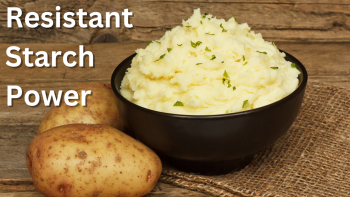
  • Cooked and cooled potatoes: This is a game-changer. When potatoes are cooked and then cooled, their starch structure changes, forming resistant starch. Even if you reheat them, the starch remains resistant. Potato salad or reheated cooked potatoes are great options.

Practical Tips for Adding Resistant Starch

To get the most benefit:

  1. Cook and cool starchy foods: For example, boil potatoes, let them cool, and use them in salads or soups. Reheating doesn’t reverse the formation of resistant starch.
  2. Balance your intake: While resistant starch is beneficial, moderation is key—especially with starchy foods like potatoes. Use them strategically rather than making them a dietary staple.
  3. Listen to your gut: Some foods may cause temporary bloating or gas, which can be a sign of fermentation. This is usually a good thing, but if symptoms persist, adjust your intake gradually.

The Bigger Picture

Feeding your beneficial bacteria with resistant starch is a simple yet powerful way to support gut health. For those with endometriosis, this can lead to reduced inflammation, improved digestion, better blood sugar control, and even support with weight management.

Remember, every bite you take is an opportunity to nourish your gut. By choosing foods rich in resistant starch, you’re not just feeding yourself—you’re feeding the microscopic allies that help keep your body balanced and resilient.


If you’re ready to start personalising your nutrition for Endometriosis, reach out—I’d love to support you. Book your complimentary Endometriosis Discovery Call to get started: https://theendometriosisnutritionist.online/endometriosis-discovery-call/.
When Nutrition for Endometriosis Might Not Be the Right Step – And Why That’s Okay

As a qualified nutritionist who works exclusively with people managing Endometriosis, you might be surprised to hear me say: sometimes, using nutrition for Endometriosis isn’t the right next step.

Yes, food can absolutely play a powerful role in reducing inflammation, supporting gut health, and improving symptoms — but there are valid, important reasons why nutrition for Endometriosis may not be the right approach right now. Here are four scenarios where pressing pause or choosing another tool in your Endo toolkit might be best.

  1. You Have a History of Disordered Eating

This is one of the most critical considerations. If you have a current or past eating disorder, dietary changes can be risky. Even well-intentioned shifts can quickly spiral into obsessive or restrictive behaviours.

One client I worked with had a history of an eating disorder and felt ready to try nutritional changes for her debilitating symptoms. Despite our open conversations and her ongoing support, the changes triggered a relapse, and she had to be re-admitted to hospital. That experience stayed with me — it was heartbreaking and deeply educational.

Since then, I always screen for eating disorders in initial consultations. If you’ve had disordered eating, it’s essential to consider whether focusing on food might put your mental health at risk. You deserve support from someone experienced in this area, and it’s absolutely okay if nutrition isn’t safe for you right now.

  1. You’re Emotionally or Mentally Overwhelmed

Changing your diet is a big undertaking — especially when you’re dealing with fatigue, pain, brain fog, or other Endometriosis symptoms. If your mental load is already heavy, adding the pressure of meal planning, label reading, or cutting out common foods may only add to your stress.

For nutrition to work, it requires consistency. And consistency requires capacity — mental, emotional, and physical. If you’re newly diagnosed, managing other health conditions, or life just feels like too much right now, it’s okay to say, “Not yet.” You can always revisit it when you feel stronger and more stable.

  1. You Don’t Have the Support or Resources

Let’s be honest — the kind of nutritional changes that help Endometriosis symptoms often require time, money, and energy. If you’re navigating the cost of living crisis, working long hours, raising a family, or have limited access to fresh food, trying to overhaul your diet might be more stressful than supportive.

You may not have time to cook from scratch or might be the only one in your household making changes. That creates extra pressure, and unless your environment is supportive, the changes likely won’t stick. That doesn’t mean you’re not committed — it means life is hard right now, and that’s okay.

  1. Something Else Deserves Priority Right Now

Sometimes the best next step isn’t food-related at all. Maybe you need surgery first to get your pain under control. Maybe you need to focus on sleep, stress, or emotional wellbeing before tackling a dietary shift. Or maybe pelvic physiotherapy is what will help you feel stronger and more empowered.

All of these are valid tools. Nutrition is just one piece of the puzzle, and it should never come at the cost of your mental or emotional health.


You’re Not Failing — You’re Choosing What’s Right

If you’ve been listening to advice or reading about nutrition for Endometriosis and thinking, I just can’t do that right now — please know that’s not a failure. It’s wisdom.

You don’t need to change your diet to be worthy of healing or relief. And when (or if) you are ready, you’ll be able to approach it with the focus, support, and mindset that gives you the best chance of success.

Until then, keep exploring the tools that do feel manageable and supportive — and be kind to yourself. Healing isn’t all-or-nothing. It’s about the right step at the right time, for you.


If you'd like to talk about this some more, book a complimentary Endometriosis Discovery Call now.

Why Fibre is a Game Changer for Endometriosis and Gut Health

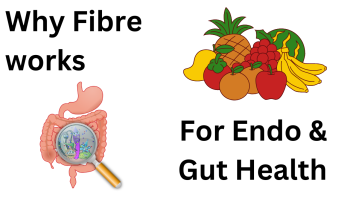
When it comes to managing endometriosis through diet, fibre is one of the most powerful tools at your disposal. While endometriosis is not caused by hormones, it is influenced by them—particularly oestrogen. That’s where dietary fibre comes in.

In this article, we’ll explore what it is, why it’s so important for endometriosis, and which foods to prioritise for the greatest benefits.

There are two key reasons fibre is so beneficial for people with endometriosis:

It helps remove excess oestrogen
Although endometriosis is not a hormonal condition, it is driven by hormonal changes, particularly rising oestrogen levels between ovulation and menstruation. Higher oestrogen levels stimulate the growth of endometriosis tissue, just as they stimulate the growth of the uterine lining (endometrium). When oestrogen levels drop, this tissue sheds—causing internal bleeding and inflammation.

Dietary fibre plays a crucial role here. Certain types, particularly lignin, help bind to excess oestrogen in the digestive tract and remove it from the body. Without sufficient fibre, oestrogen can be reabsorbed, increasing the amount circulating in your system and potentially worsening symptoms.

It feeds your good gut bacteria
Many people with endometriosis also have imbalanced gut bacteria, or dysbiosis. A healthy gut microbiome supports the immune system and keeps inflammation in check. Fibre feeds the beneficial bacteria in your gut—especially the types that produce anti-inflammatory compounds.

When these good bacteria flourish, they create an environment that makes it harder for harmful bacteria to survive. This improves overall gut health, reduces inflammation, and can lead to a noticeable improvement in symptoms over time.

Types of Fibre and Their Benefits

There are two main types of dietary fibre, and both are important:

Soluble 

Soluble fibre dissolves in water and forms a gel-like substance in the gut. It slows digestion, helps regulate blood sugar levels, lowers cholesterol, and increases feelings of fullness.

Sources of soluble fibre include:

  • Oats
  • Apples
  • Citrus fruits
  • Beans and lentils
  • Barley (avoid if you're gluten-free)

Soluble fibre also plays a key role in stabilising blood sugar levels—important because blood sugar spikes and crashes can contribute to inflammation, which is a major factor in endometriosis.

Insoluble 

Insoluble fibre doesn’t dissolve in water. Instead, it adds bulk to your stool and supports regular bowel movements, helping to prevent constipation—a common issue among people with endometriosis.

Sources of insoluble fibre include:

  • Brown rice
  • Nuts and seeds
  • The skins of fruits and vegetables
  • Whole grains (though gluten-containing grains may not be ideal)

If you’re gluten-intolerant, fibre-rich alternatives like brown rice, quinoa, and seeds are good options.

The Special Role of Lignin

Lignin is a specific type of fibre found in:

  • Flaxseeds
  • Beans
  • Lentils

It binds to excess oestrogen in the gut and helps escort it out of the body. This is particularly useful in the luteal phase of your cycle (after ovulation and before your period), when oestrogen peaks. Including lignin-rich foods consistently can help reduce circulating oestrogen and support hormonal balance.

Prebiotic Fibre: Feeding Your Good Bacteria

Certain types act as prebiotics—food for your beneficial gut bacteria. These fibres aren’t digested by your body but are fermented by gut microbes.

Sources of prebiotic fibre include:

  • Onions, garlic, leeks
  • Asparagus
  • Green (less ripe) bananas
  • Oats
  • Chicory root and Jerusalem artichoke
  • Beans, lentils, peas
  • Nuts and seeds

These food help create a gut environment that reduces inflammation, which in turn may ease endometriosis symptoms.

Simple Ways to Add More Fibre

To increase your intake:

  • Eat a wide variety of fruits and vegetables daily
  • Include beans, lentils, nuts and seeds in your meals
  • Choose gluten-free whole grains like oats, brown rice, or quinoa
  • Add ground flaxseeds to smoothies, porridge or yoghurt

And aim to include a range of prebiotic-rich ingredients in your meals.


If you’d like to talk to me about how to add more fibre to your diet and manage your Endometriosis symptoms, book a complimentary Endometriosis Discovery Call now: https://theendometriosisnutritionist.online/endometriosis-discovery-call/

Can losing weight ease endo symptoms?

Why I rarely talk about weight when it comes to endometriosis

I very rarely talk about weight—your body weight—when we look at reducing your endometriosis symptoms. I didn’t think there was a clear relationship between being overweight or underweight and your endometriosis symptoms.

Until a few months ago.

The gynaecologist visit that changed my thinking

My 20-year-old daughter has had a lot of issues with her period—severe pain and heavy bleeding. We ended up in the emergency department after one particularly bad episode. A GP referred her to a gynaecologist, and she asked me to go along with her for support and to help make sense of the information.

Toward the end of the 20-minute consultation, the gynaecologist told my daughter she should try to put on some weight because body fat holds on to oestrogen—and that might help her premenstrual mood symptoms.

The slim body type conversation

This hit a nerve. In our family, we are genetically very slim. Growing up, people constantly told me to “eat more” or even asked if I was anorexic. My daughter gets the same remarks—even though she eats all the time. We just have a fast metabolism and find it nearly impossible to put on weight.

So being told to “just gain weight” felt dismissive. The gynaecologist didn’t offer any advice on how to do it either. Still, what stuck with me was the idea that body fat holds on to oestrogen.

Am I overlooking something important in my practice?

That comment made me wonder—am I doing my clients a disservice by not looking more closely at body weight when trying to reduce endometriosis symptoms?

So I started researching. But spoiler alert: I’m now more confused than I was before.

Here’s what I found.

Research mostly looks at risk—not symptoms

Most research I found focuses on the risk of developing endometriosis, not on how weight affects existing symptoms.

For example, an Australian study in 2022 found that women aged 18–23 who gained weight had a lower risk of endometriosis than those with a consistently low BMI.

But here’s the catch: Most people I work with had endometriosis symptoms long before age 23. Many started experiencing pain and fatigue as early as their first period—sometimes as young as 11.

So, how helpful is this information if your symptoms began a decade earlier?

Another 2022 study looked at BMI and risk at younger ages

This study found that a higher BMI at age 18 was linked to a lower risk of developing endometriosis. But if you had a higher BMI as a child (ages 10–16), it was associated with a higher risk.

Researchers theorised this might be due to insulin resistance in overweight children, which could prevent ectopic endometrial cells from dying and being cleared out properly.

But again, this raises more questions: What if you were overweight at 12 but slimmed down at 16? Does the risk decrease? Increase? Stay the same? The answers aren’t clear.

Where you carry weight may matter more than how much

One finding that stood out was the impact of abdominal fat—particularly visceral fat around your organs. In women over 30, more abdominal fat correlated with higher oestrogen levels.

And high oestrogen levels can worsen endometriosis symptoms, even though they don’t cause the disease.

That said, researchers couldn’t tell whether abdominal fat causes high oestrogen or simply stores it. Either way, higher visceral fat equals higher oestrogen—which is a problem for endometriosis.

What about weight, inflammation, and fertility?

This is where things started to make more sense.

There's well-established research linking higher body weight with increased inflammation—especially in obesity. A protein called resistin, which increases with more body fat, is directly linked to chronic inflammation.

And we know that inflammation worsens endometriosis symptoms.

Being overweight also increases insulin resistance. That means your body needs to produce more insulin to balance your blood sugar after eating, and that excess insulin leads to more inflammation. Inflammation is what exacerbates symptoms and affects fertility—by making it harder for an embryo to implant.

So… should I focus more on weight loss in my work?

Honestly? No.

What I do with my clients is focus on reducing inflammation through nutrition. That’s the cornerstone of my approach, and here’s why:

  • Lower inflammation = fewer endometriosis symptoms.
  • Lower inflammation = better chances of successful implantation if you’re trying to conceive.
  • Lower inflammation = less favourable environment for endometrial tissue to grow.

That’s the true target—not weight.

Will weight change as a side effect of an anti-inflammatory diet?

Often, yes.

But I want to be clear: I never tell clients to “just lose weight.” It’s not that simple. Weight loss is difficult, deeply personal, and tied to far more than just food choices. Many women who eat extremely well still struggle to lose weight due to hormonal, metabolic, or gut health issues.

However, the anti-inflammatory diets I use:

  • Are low in sugar and ultra-processed foods.
  • Stabilise blood sugar levels.
  • Reduce insulin resistance.

And in doing so, some clients do lose weight. But it’s a side effect—not the goal.

Gut health and weight connection

When we work together, we also focus on improving your gut microbiome. We now know that your gut bacteria play a major role in weight regulation and inflammation. So, addressing gut health can improve both symptoms and your ability to reach a healthy weight—again, as a side effect of supporting your whole system.

A final tip if you’re worried about weight

Ditch the scales.

Honestly, weighing yourself isn’t helpful. Weight fluctuates throughout the day, especially for women. You can weigh more after drinking water or less after eating breakfast—it makes no sense. The number on the scale doesn’t give you any reliable insight into your health or your inflammation.

If you're concerned about your weight, it’s far more useful to look at where you’re carrying it—especially if you notice a tendency toward abdominal weight gain.

But even more than that, let's focus on how your body feels, how your symptoms change, and how we can reduce your inflammation through food.

That’s where the real progress happens.

If you’re ready to start personalising your nutrition for Endometriosis, reach out—I’d love to support you. Book your complimentary Endometriosis Discovery Call to get started: https://theendometriosisnutritionist.online/endometriosis-discovery-call/.

Meal Plans Sound Great—But Here’s Why I Don’t Use Them

When you're trying to manage Endometriosis symptoms, a meal plan can sound like the perfect solution. After all, wouldn’t it be easier if someone just told you exactly what to eat?

I get it—and earlier this year, when I asked for your feedback in a survey, a lot of you asked for meal plans and recipes. I’m so grateful for your input, and I always want to give you the best support I can.
But this is one request I’m not saying yes to—and today, I want to explain why.

This decision isn’t about being difficult or withholding something helpful. It's about making sure that what I offer you actually works to support your health long-term. Let me take you through it.

  1. I’m a Nutritionist, Not a Chef

Believe it or not, cooking is not my passion.
I eat simple, whole-food meals. I rarely eat ultra-processed foods or sugar. But when it comes to creating exciting recipes from scratch? That’s just not me.

When people hear I’m a nutritionist, they often assume I must love cooking and be great at inventing delicious meals. But my love for nutrition comes from something different: the connection between food and health.
I studied nutritional medicine because I was fascinated by how food affects the body, not because I wanted to create beautiful dishes.

Sure, I could use AI tools like ChatGPT to create meal plans and recipes—but before I would feel comfortable sharing anything with you, I'd need to test and taste every meal.
And honestly? I'd rather do admin work than spend hours cooking (yes, it's that bad!).

If meal plans were the key to improving Endometriosis symptoms, I’d push myself to do it anyway. But they’re not—and here’s why.

  1. One Meal Plan Can't Fit Everyone

You are a beautifully diverse community from all around the world, with a wide range of cultural backgrounds and food traditions.

If I created one generic meal plan, it simply wouldn't work for everyone.

  • Some ingredients might be unfamiliar or unavailable where you live.
  • Some recipes might not fit your tastes, cultural practices, or family needs.
  • Some meal styles just wouldn't stick long term.

Real, sustainable change happens when you build on your familiar foods and routines—not when you force yourself into someone else's diet plan.

  1. Endometriosis Nutrition Must Be Personal

The biggest reason I don't rely on meal plans is because Endometriosis isn't a one-size-fits-all condition.

  • Your symptoms are unique.
  • Your nutrient deficiencies are unique.
  • Your personal food intolerances are unique.

Even if you followed a "perfect" meal plan—gluten-free, dairy-free, low sugar, no ultra-processed foods—you might still struggle with symptoms if you are unknowingly eating foods that your body reacts to.

Managing Endometriosis with nutrition needs a personalized approach. It’s not just about cutting certain foods; it’s about discovering your specific triggers and nutrient needs—and building a way of eating that supports your body.

  1. You Need a Way of Eating You Can Stick To

Changing your diet is hard enough.
But changing it to something you don't enjoy, can't easily cook, or that doesn't suit your lifestyle? That's a recipe for failure. (Pun intended.)

You need a way of eating that:

  • Fits into your everyday life.
  • Works for your family, your budget, and your tastes.
  • Feels sustainable for the long term.

If you can't stick to it, you won't get the benefits—and you’ll end up frustrated and back where you started.

When I work with clients, we don’t start with a meal plan.
We start with your usual meals and make small, manageable tweaks.
Together, we find healthier alternatives that still feel like "you."


But Wait—There Is a Starter Meal Plan (If You Want It!)

I do offer a simple two-week meal plan for those of you who want a starting point.
It’s gluten-free, dairy-free, ultra-processed-food-free, and low sugar.
You can grab it here: https://www.subscribepage.com/2-week-meal-plan-with-recipes  for just under $25 AUD.

But remember: it's just a starting point. To truly reduce your Endometriosis symptoms, personalisation is key.


Final Thoughts

I know it’s tempting to want a ready-made solution.
But if you really want to use nutrition to reduce your Endometriosis symptoms, you need more than a meal plan.
You need an approach tailored to your body, your symptoms, and your life.

That’s what I’m here to help you with.
Not by giving you a rigid meal plan, but by helping you build a flexible, nourishing way of eating that you can stick with for years to come.

If you’re ready to start personalising your nutrition for Endometriosis, reach out—I’d love to support you. Book your complimentary Endometriosis Discovery Call to get started.

How Movement Can Reduce Endometriosis Symptoms  – Backed by Science!

You might be wondering why I'm dedicating an entire post to physical activity when my main expertise is nutrition. It’s a fair question. But the truth is: there’s strong scientific evidence that shows movement can help manage endometriosis symptoms — and that's something I can't ignore!

I’m not about to suggest you start running marathons or hitting the gym five times a week. Instead, I want to explain how physical activity impacts endometriosis, and give you simple, realistic ways to incorporate more movement into your life — all backed by research.


Why movement matters for Endometriosis

When managing endometriosis, it’s helpful to think of it like a buffet — you pick and choose different strategies that work best for your body. Nutrition is a big part of that, but it’s not the only tool. Movement is another powerful tool that can support all your other efforts, including diet.

Interestingly, research shows that women with endometriosis are generally less physically active than women without the condition. And honestly, that makes perfect sense:

  • Fatigue can make even getting off the couch feel impossible.
  • Pain often makes movement the last thing you want to do.
  • Heavy bleeding and digestive symptoms (like diarrhea) can create practical barriers to exercising.

In short: it’s not laziness — it’s survival. But here’s the key: even small increases in movement can make a noticeable difference in how you feel.


The research on physical activity and Endometriosis

Here’s a summary of what studies have found:

  1. Movement might lower the risk (and maybe slow progression)

A 2004 study found that 4 hours of physical activity per week reduced the risk of developing endometriosis by 65%.

While this doesn’t tell us exactly what happens if you already have endometriosis, it suggests that regular movement might slow progression or reduce symptom severity. (Important to note: this was moderate to high-intensity exercise, like running and cycling.)

  1. Movement can help manage pain

Another important finding: physical activity on one day can reduce the perception of pain the next day.

Practically speaking, if you experience ovulation pain or period pain, increasing your movement a few days before could potentially make those pains feel less severe when they arrive.

If you track your cycle, you can plan gentle activity during the days leading up to your most painful phases.

  1. Movement helps tame chronic inflammation

Endometriosis is a chronic inflammatory disease. Movement has a complex relationship with inflammation:

  • Moderate to high-intensity activity (think running, cycling, swimming) causes a temporary spike in inflammation during the activity — but this triggers an anti-inflammatory response afterward.
  • Frequent moderate movement can lower chronic, low-grade inflammation, which is critical for managing endometriosis.
  • Good muscle tone helps your body remove inflammatory cells more efficiently.

However, extreme or prolonged intense exercise (like marathon running) can actually increase overall inflammation — so balance is key. You don't need (and shouldn’t aim for) elite athlete-level intensity.


So, how much movement do you really need?

Consistency is more important than intensity.

You don’t need to exercise hard every day. Instead, focus on frequent, sustainable movement. Little bits of activity sprinkled throughout your day can have a big cumulative effect!

Here are simple, realistic ways to add more movement into your life:

  1. Take the stairs
  • Start small: Take the stairs for one or two floors, then build up over time.
  • Walking stairs strengthens your leg muscles (great for improving muscle tone) and gets your heart rate up (which boosts anti-inflammatory responses).
  1. Be Inefficient at home
  • Instead of carrying everything upstairs in one trip, make multiple trips.
  • Every extra flight of stairs is a mini workout that helps reduce inflammation.
  1. Active breaks
  • During work breaks, take a short walk — even just around the block.
  • If you work from home or at a desk, stand up and stretch regularly. Set a reminder if needed!
  1. Add movement to everyday tasks
  • While brushing your teeth, stand on one leg to build balance and muscle tone.
  • Do gentle squats while folding laundry.
  • Try calf raises while washing dishes or cooking.

Even small movements activate muscles, improve circulation, and reduce inflammation over time.

  1. Rethink transportation
  • If possible, park further away from work or errands.
  • Get off public transport one stop early and walk the rest.
  • Look for creative ways to add a few extra steps into your day.


Final thoughts: start small, but start

The goal isn’t perfection — it’s progress.

Adding just a little more movement into your day can help your body reduce inflammation, manage pain, and support all your nutritional efforts. Over time, these small changes can have a big impact on your endometriosis symptoms.

And remember: every little bit counts.
You don't need to "exercise" — you just need to move.


If you’d like to talk to me about other practical strategies to manage your Endometriosis symptoms, book a complimentary Endometriosis Discovery Call now: https://theendometriosisnutritionist.online/endometriosis-discovery-call/

Trying to Conceive? Check Your Prenatal for Folic Acid First

If you’re trying to conceive or are already pregnant and taking a prenatal multivitamin, there’s something very important you need to check: does it contain folic acid?

Before you read further, I encourage you to grab your prenatal supplement and have a look at the ingredients. You'll soon understand why this matters so much.

Most prenatal supplements are high in vitamin B9, commonly referred to as folic acid. You might also hear it called folate or folinic acid — terms that are often used interchangeably but are not the same thing. Let’s break this down.

Why is vitamin b9 so important?
Vitamin B9 plays a vital role in pregnancy. It helps reduce the risk of neural tube defects in your developing baby. But it also supports the production of healthy new cells — including red blood cells, brain cells, and even cells for your skin, hair, and nails. Because you’re not just supporting your own body but growing a new one, your need for vitamin B9 dramatically increases during pregnancy.

Folate vs. folic acid: what's the difference?

  • Folate is the natural form of vitamin B9 found in foods like leafy greens.
  • Folic acid is the synthetic version found in most supplements and fortified foods.

When researchers first discovered the link between vitamin B9 deficiency and neural tube defects, supplementing with folic acid became common practice. Folic acid was easier and cheaper to manufacture — and, unlike natural folate, it was stable enough for supplements.

Here’s the catch: Neither synthetic nor natural folate is immediately usable by the body. Both must be converted through a series of steps into the bioavailable form called methylfolate.

The problem with folic acid
There are two key concerns with taking synthetic folate:

  1. Increased risk of gestational diabetes:
    Research shows that high levels of folic acid (specifically the synthetic form) in the blood can raise your risk of developing gestational diabetes — a type of diabetes that occurs during pregnancy. Gestational diabetes not only complicates pregnancy but also raises the risk of preeclampsia, breathing issues in newborns, and even increases your child's risk of type 2 diabetes later in life.
  2. Genetic mutations affect conversion:
    To convert folic acid (or even folate) into usable methylfolate, your body needs a specific enzyme. However, many people carry a genetic mutation (known as MTHFR) that prevents them from completing this conversion. If you have this mutation, no matter how much folic acid or folate you take, your body can't use it properly.

The safer solution: switch to methylfolate
If your prenatal supplement lists folic acid as an ingredient, it’s time to reconsider. Even some supplements that claim to contain folate still rely on folic acid as their primary ingredient.

Some options might list folinic acid, which is a step closer to being bioavailable but still requires conversion. For ultimate safety and effectiveness, look for a prenatal that contains methylfolate directly.

You have two choices:

  • Get tested: A simple blood test can tell you if you have the MTHFR mutation.
  • Skip the test and switch: You can simply choose a prenatal with methylfolate to be safe, ensuring your body — and your baby — get the support they need.

Final thoughts
Vitamin B9 is essential for a healthy pregnancy, but not all forms are created equal. Avoid the risks associated with synthetic folic acid and choose a prenatal that contains methylfolate.

If you're unsure what supplement is right for you, consult a natural health practitioner who can guide you towards the safest option for your pregnancy journey.

Your future baby — and your future self — will thank you.


If you’d like to talk to me more about your fertility and Endometriosis, book a complimentary Endometriosis Discovery Call now.