Egg-citing: 3 myths and 3 facts about your eggs

Endometriosis plays a big role in fertility and makes falling pregnant more difficult. One element of your fertility is your eggs and the more you know about your eggs the better you can manage your fertility.

So in this article I’ll go through 3 myths and 3 facts about your eggs.

Let’s start with the myths.


Myth 1: when you ovulate, only 1 egg matures.

The egg you ovulate with today started its maturing journey three to four months ago. And it went on this journey with a lot of other eggs. During the maturing journey, most eggs just don’t make it, only the strongest, healthiest egg gets to the milestone of 48 hours till ovulation.

At around 48 hours before ovulation, this egg goes through 3 cell duplications: it splits itself, and its DNA and forms 2 identical eggs. One of those survives, the other doesn’t. This happens 2 more times until you’re left with 1 egg for ovulation.


Myth 2: There’s not much you can do about the quality of your eggs.

Before I explain why this is a myth, let’s get clear on what we mean by ‘quality’. A high quality egg has no chromosomal abnormalities, there is nothing wrong with the DNA. An egg with chromosomal abnormalities may fertilise but the embryo may not be viable.

The quality of an egg is mostly determined by its ability to produce energy during the maturing journey. Your eggs have little ‘powerplants’ and these need to produce the right amount of energy at the right time, in particular during the last 48 hours before ovulation, to make sure the DNA division and reforming takes place without any problems.

The problem is that Endometriosis directly affects (and not in a good way) how these powerplants work. But there are supplements that can support the energy production in your eggs.


Myth 3: Egg quality doesn’t have anything to do with miscarriage

In fact, it has a lot to do with miscarriage. Chromosomal abnormalities are the main reason for miscarriage and these abnormalities can occur during the maturing journey and the duplication process before ovulation if the egg cannot produce enough energy throughout.


So how about some facts, starting with a bit of interesting trivia.


Fact 1: The eggs you are born with were already there when you will still in your mother’s womb

How cool is that? You are born with all the eggs you will ever have, and they were already there before you were even born!


Fact 2: Endometriosis affects the quality of your eggs.

Endometriosis directly reduces your egg’s ability to produce energy. As you hit your mid 30s age also starts to affect the energy production of your eggs, but even when you are in your 20s, your Endometriosis is reducing the quality of your eggs.


Fact 3: You need to work on egg quality if you want to improve your chances of falling pregnant

And you need to start 3 to 4 months before you think you might like to fall pregnant by supporting the maturing journey, whether you’re trying to fall pregnant naturally or through assisted reproduction, whether you’re in your 20s or 30s or older.

One way is to use supplements, which is something you’ll need to speak to a naturopath or nutritionist about (why not book a free Endometriosis SOS Call with me to discuss?)

Another important strategy is to reduce inflammation and eating a personalised anti-inflammatory diet that reduces the spread and growth of your Endometriosis.


If you’d like to have a personal chat about what your options are for optimising your fertility, book a free Endometriosis SOS Call: https://theendometriosisnutritionist.online/endometriosis-sos-call/

The importance of falling off the wagon when changing your diet

Falling off the wagon when you’re changing your diet is a normal, and actually very useful thing to happen.

So, you embarked on an important change journey: you changed your diet to reduce the severity of your Endometriosis symptoms. You worked out which foods to stop eating and which foods to eat more of. And you started well. And now you've fallen off the wagon and slipped back into those pesky eating habits you wanted to stop. What now?

The key element of dealing with falling off the wagon is to accept it as a normal part of any change journey. Accepting that changing your diet is hard and that nobody does it without falling back into old eating habits at times (it happens to me, regularly!)

The eating habits you’re trying to change have probably been your normal way of eating for a long time. They’ve become automated, it’s behaviour you do on automatic pilot. It’s hard to change something you do when most of the time you’re not aware you’re doing it. So, when you are going to change your diet, it helps to assume that falling off the wagon is a normal part of the learning process. And think about some strategies you can implement when it happens

And when you've fallen off the wagon, you’ve slipped back into the old eating habits, what then?

  • Start by having an internal conversation with yourself, along the lines of: “Okay it was to be expected that I'd be falling off the wagon at some point. It will take some time to break out of my old eating habits. The new diet isn’t a habit, yet.
  • Then look at it as a powerful learning experience. Allow yourself to reflect for a few moments on what factors may have led to fall back into your old diet habits. It could give you some good insights into the triggers. Once you’re aware of these triggers, you can either remove them or start to watch out for them so they don’t take you by surprise. Often we fall back into old eating habits when we haven’t planned for our new diet. Meal planning can be a powerful tool to get back on track. You may like to read this article on the power of meal planning.
  • Another powerful strategy once you’ve fallen off the wagon, is to focus on small steps forward. You may have been doing well for a couple of weeks up till now. To get back on track, don’t set your sights too high, just focus on today, this morning, or even just this hour. And when you’ve stuck to your new habit for that period of time, take a moment to pat yourself on the back and to set another short timeframe. You want to focus on how often you are able to do your new behaviour, on what is going well. Visual charts can work wonders here: give yourself something to place ticks, smiley faces, or any other symbol to show how often you stayed the course

As long as you realise that you've fallen off the wagon, and that it is an opportunity to learn from and not as a reason to throw in the towel, you’ll be able to get back into your diet and will be able to stick to it better … until the next time you fall off the wagon.


If you’d like to have a personal chat about what your options are for managing your symptoms now that you have been diagnosed with Endometriosis, book a free Endometriosis SOS Call: https://theendometriosisnutritionist.online/endometriosis-sos-call/
January reading list: Nutrients

Over the Australian Summer months I’m publishing 3 ‘reading lists’ for different topics, where I into the archives looking for articles on the topic and briefly summarise the content.

In this reading list I’m looking at specific nutrients and how they can help reduce your Endometriosis symptoms.  Here are 8 articles, each on a specific nutrient.


N-Acetylcysteine – a key supplement if you’re trying to fall pregnant

For many women, seeking an explanation for why they are not able to fall pregnant is the time they get their Endometriosis diagnosis.

These are some worrying statistics:

  • Between 25 and 50% of women who have difficulty falling pregnant have Endometriosis; and
  • Between 30 and 50% of women with Endometriosis have fertility problems.

The supplement N-Acetylcysteine, or NAC, plays an important role in improving fertility outcomes for women with Endometriosis. Firstly, what is it?

Read the full article here: https://theendometriosisnutritionist.online/articles/n-acetylcysteine-a-key-supplement-if-youre-trying-to-fall-pregnant/


Why I recommend you take palmitoylethanolamide, or PEA to reduce pain

I know, what a name! I can’t pronounce it or type it quickly, so I’m just going to call it PEA.

It is a compound that our bodies produce when it is needed to help regulate pain and inflammation. It is found in both the central nervous system and in immune cells. And many foods, like mild, beans, peas, tomato, alfalfa, corn, soy and peanuts also contain it but not in enough quantities to be able to provide any therapeutic benefits.

The main therapeutic benefit of PEA in managing Endometriosis is pain reduction (chronic pelvic pain, migraines, period pain, ovulation pain). So how does it do that?

Read the full article here: https://theendometriosisnutritionist.online/articles/why-i-recommend-you-take-palmitoylethanolamide-or-pea-to-reduce-pain/


Nutrients under the microscope: selenium, garlic and coenzyme Q10

The three nutrients under the microscope this week are selenium, garlic and coenzyme Q10.

Selenium is another powerful antioxidant and women with Endometriosis tend to have lower levels of it in their system. It is an anti-inflammatory and helps to regulate the immune system.

And in the liver, it is involved in removing oestrogen from the body.

Read the article here: https://theendometriosisnutritionist.online/articles/nutrients-under-the-microscope-selenium-garlic-and-coenzyme-q10/


Nutrients under the microscope: zinc and resveratrol

There are various nutrients that contribute to either improving your digestive or your immune system. Over the next 4 weeks I will look at some supplements that may be helpful with your symptoms.

Zinc is a mineral that has been well-tested in relation to the immune system. It is needed for the normal, healthy development of various immune cells and a zinc deficiency makes cytokines function less effectively.

It has important role in regulating the immune system. It is also a powerful antioxidant. It strengthens cells’ membranes, so they are less vulnerable to free radical damage.

It can also help heal damaged endometrial tissue. And finally, a zinc deficiency can affect your fertility.

Read the full article here: https://theendometriosisnutritionist.online/articles/nutrients-under-the-microscope-zinc-and-resveratrol/


Nutrients under the microscope: Retinoic Acid and Omega 3

Today’s nutrients under the microscope are retinoic acid and omega 3.

Retinoic Acid is created from vitamin A and plays an important role in the immune system, the reproductive system and in the control of sleep.

There is some indication that beta-carotene (the food version of vitamin A) can help tone down the activity of oestradiol, which could help reduce the risk of ovarian cancer resulting from ovarian Endometriosis.

Although there are great food sources for vitamin A and beta-carotene it may be useful to take a supplement to get back to healthy levels.

Cod Liver Oil is the best source of retinoic acid/vitamin A. It has the added benefit of containing essential fatty acids, which may reduce the ability of endometrial cells to survive. And it also contains Vitamin D which plays a key role in the immune system.

Read the full article here: https://theendometriosisnutritionist.online/articles/nutrients-under-the-microscope-retinoic-acid-and-omega-3/


13 Signs that you might be vitamin D deficient

Many women with Endometriosis are vitamin D deficient. Maybe you don’t spend enough time outside in the sun, or when you do, you are ‘covered’ up with clothes and sunscreen to prevent skin cancer. How does this affect your Endometriosis?

Let me start with a fun fact about vitamin D: it is actually not a vitamin, but a hormone!

Most of us know that vitamin D plays an important role in bone growth, by carrying calcium to the bones. But more importantly for you and your Endometriosis is that it helps to regulate the immune system.

Studies on the role of vitamin D in the immune response have shown that T cells and B cells (key cells involved in the immune response) are able to process and respond to vitamin D.  That means that vitamin D can help protect against infection.

Read the full article here: https://theendometriosisnutritionist.online/articles/vitamin-d-deficient-13-signs/


Iron deficiency and how to get the most iron out of your diet

Iron deficiency is very common amongst people with Endometriosis. There is a bit of a vicious cycle between iron deficiency and heavy and long bleeds during your period: heavy and/or long bleeds increase your iron deficiency, and iron deficiency causes longer and heavier bleeds.

Iron plays a very important role in many body processes, such as energy production, immune function, regulating body temperature and muscle performance. Your body needs it to make DNA, enzymes and red blood cells, to transport oxygen around your body, and for metabolism.

Your first defence against iron deficiency is to make sure your diet contains good levels of iron. And that’s where things get a bit tricky.

Read the full article here: https://theendometriosisnutritionist.online/articles/iron-deficiency-and-how-to-get-the-most-iron-out-of-your-diet/


How to get enough calcium from your diet if you’re cutting out dairy

One of the key strategies I recommend to reduce your Endometriosis symptoms is to remove dairy from your diet (read more about why here). But for most of us, dairy is our main source of calcium in our diets, and you may be worried that without dairy, you won’t get enough calcium.

So in this article I’ll explain the importance of calcium and how to still get plenty of this important mineral from your diet even if you don’t have diary.

Let’s start with why we need calcium.

Read the full article here: https://theendometriosisnutritionist.online/articles/how-to-get-enough-calcium-from-your-diet-if-youre-cutting-out-dairy/


If you want to have personal chat with me about your options for improving your fertility, book a free 30-minute Endometriosis SOS Call.

Would you like to learn a bit more about me?

You may have been following me for quite some time, or you may be new to me. But either way, I thought it might be nice for you to get to know me a bit better. In this video I’m sharing a bit more about me, and about my life outside of the clinic.

And if you'd like to see more about my Tiny House on Wheels, check out my Living In Tiny G YouTube channel: https:// youtube.com//@LivingInTinyG


January reading list: Fertility

Over the Australian Summer months I’m publishing 3 ‘reading lists’ for different topics, where I into the archives looking for articles on the topic and briefly summarise the content.

In this reading list I’m looking at fertility.  Here are 5 articles all discussing different aspects of your fertility and how it relates to Endometriosis.


How inflammation affects your fertility and how diet can help

If you’ve been reading my articles, you’ll know that Endometriosis is an inflammatory disease. So in this article I want to delve a bit deeper into how this inflammation affects your fertility and how you can use your diet to reduce it.

So what role does inflammation play in your fertility? Well, in two roles: an indirect and direct role.

Read the article here: https://theendometriosisnutritionist.online/articles/how-inflammation-affects-your-fertility-and-how-diet-can-help/


4 things about how Endometriosis affects your fertility

When you have Endometriosis and you know you want children, you might be worried about how it affects your fertility.

And yes, Endometriosis does pose some challenges for your fertility, but it does not necessarily mean you’ll be infertile.

The more you understand about your Endometriosis and how it affects your fertility, the better able you will be to make the right decisions for you, so here are 4 things you may not get told.

Read the full article here: https://theendometriosisnutritionist.online/articles/4-things-about-how-endometriosis-affects-your-fertility/

When should you start to work on your fertility?

When you have Endometriosis, your fertility will be affected. It doesn’t automatically mean that you will be infertile, but you are likely to find it more difficult to fall pregnant.

But the good news is that nutrition can help to improve your fertility! But when is the best time to start working on your fertility?

Well, that depends on where you are in your fertility journey:

  1. Are you already trying?
  2. Do you plan to start trying in about 6-12 months?
  3. Do you know you would like to have children at some point, but not anytime soon?

Your approach and when to start is slightly different for each.

Read the full article here: https://theendometriosisnutritionist.online/articles/when-should-you-start-to-work-on-your-fertility/


Egg quality: why it is key in fertility and how Endometriosis affects it

Reduced egg quality is the key factor in fertility for women with Endometriosis and/or who are over 35 years old. What is egg quality, and why is it so important? And of course, what can you do to improve it?

We are born with all the eggs we’ll ever have. When we were a foetus in our mother’s womb, we already had all the eggs we’d ever have, around 6 million in fact. But when we were born there were around 1 million left and by the time you hit puberty there are around 300 remaining. Then each cycle, around 300 to 400 eggs start a maturing process with usually only one egg remaining for ovulation.

Read the full article here: https://theendometriosisnutritionist.online/articles/egg-quality-why-it-is-key-in-fertility-and-how-endometriosis-affects-it/


3 Steps to optimise your ovulation and your chances of falling pregnant

If you are trying to fall pregnant naturally, spending some time considering how to optimise your ovulation is important. After all, it has taken your egg around 4 months of hard work to get ready for it.

Ovulation happens when a follicle in the ovary empties itself and the egg ‘jumps’ from the ovary into the Fallopian tube. It then travels down the Fallopian tube, where most fertilisation takes place, to the uterus.

There are a few factors that can hinder the ovulation process.

Read the full article here: https://theendometriosisnutritionist.online/articles/3-steps-to-optimise-your-ovulation-and-your-chances-of-falling-pregnant/


How to reduce the risk of miscarriage and support embryo development

The first 13 weeks after your egg has been fertilised are crucial for the development of the embryo, and also contains the highest risk of miscarriage. Let’s look at reducing the risk of miscarriage first.

Read the full article here: https://theendometriosisnutritionist.online/articles/how-to-reduce-the-risk-of-miscarriage-and-support-embryo-development/

If you want to have personal chat with me about your options for improving your fertility, book a free 30-minute Endometriosis SOS Call.

December reading list: Gut health

Over the Australian Summer months I’m publishing 3 ‘reading lists’ for different topics, where I into the archives looking for articles on the topic and briefly summarise the content. In this reading list I’m looking at gut health.  Here are 7 articles all discussing different aspects of your gut health and how it relates to your Endometriosis symptoms.


Why you should spend more time thinking about your gut and gut health

The state of your gut is a key contributor to Endometriosis symptoms. Sounds weird, doesn’t it? How can it be that an organ that is not even connected to your reproductive system causes symptoms that have to do with your menstrual cycle?

Your gut, and in particular its wall, plays a key role in many body processes, including:

Read the full article here: https://theendometriosisnutritionist.online/articles/why-you-should-spend-more-time-thinking-about-your-gut/

The role of leaky gut in your gut health and Endometriosis symptoms

Have you ever wondered how your gut affects your Endometriosis? And what the role of leaky gut is in your symptoms? Because if you have symptoms like bloating, constipation and/or diarrhoea, flatulence, fatigue, brain fog, headaches or migraines you're very likely to have leaky gut!

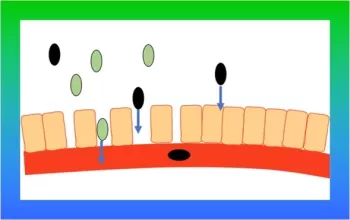
But first, what is leaky gut? Well, if you have leaky gut, or gut hyperpermeability, your gut wall is damaged and allows undigested food particles through into the blood stream. To get a sense of what this damage is like, imagine your gut wall is a like a brick wall. With leaky gut, the mortar between the bricks is starting to crumble and disappear, leaving gaps where you can see outside. Something similar is happening to your gut wall.

Read the full article here: https://theendometriosisnutritionist.online/articles/the-role-of-leaky-gut-in-your-endometriosis-symptoms/


How to heal your leaky gut part 1 – foods to remove

To heal your leaky gut there are certain foods you should avoid eating and other foods that you should eat more of or should start eating. In this post I will explain which foods to remove.

The most important food to remove from your diet are gluten-containing foods.

There is a lot of 'noise' around gluten and whether or not you should remove them from your diet. Because you have Endometriosis, removing gluten from your diet is an important strategy.

Let me explain why.

Read the full article here: https://theendometriosisnutritionist.online/articles/how-to-heal-your-leaky-gut-part-1-foods-to-remove/


How to heal your leaky gut part 2– foods to eat more of

Okay, last week we looked at what not to eat if you have a leaky gut. So, what can you eat and should you eat more of and heal your leaky gut?

The first food to eat more of are those that are high in antioxidants.

Let me start by explaining what antioxidants do. It’s a term you hear a lot of, but not many people know what they are or do.

Certain foods, stress and less than optimum health are all factors that create free radicals in the body. Free radicals are like a gang of aggressive hooligans, running around your body, damaging cells and tissues, and causing inflammation in their wake. Hmm, inflammation again!

Read the full article here: https://theendometriosisnutritionist.online/articles/how-to-heal-your-leaky-gut-part-2-foods-to-eat-more-of/


Food intolerances: 5 little known reasons why you must consider them when you have Endometriosis

Now, you may be thinking “I don’t think I have any food intolerances”. That’s exactly why you need to consider them! Let me explain ????

If you’ve read a few of my posts or listen to my podcast ‘The Endometriosis Nutritionist Podcast’, you’ll know that I look at Endometriosis as an inflammatory disease. The chronic, systemic inflammation is the ‘engine’ behind the growth and spread of your Endometriosis and the severity of your symptoms.

Inflammation is a key mechanism your immune system uses to fight potentially dangerous pathogens when it is triggered. And one of those triggers are your food intolerances.

Here are 5 little known reasons to consider food intolerances when you have Endometriosis.

Read the full article here: https://theendometriosisnutritionist.online/articles/food-intolerances-5-little-known-reasons-why-you-must-consider-them-when-you-have-endometriosis/


The Microbiome in Endometriosis – what is it? And how does it affect your gut health?

You hear the term everywhere at the moment: ‘Microbiome’. It’s very popular with advertisers, so you may be wondering what it is. Is it something real or a fancy marketing term? Is it good? Is it bad? What does it do?

Time to get some clarity on it, as, yes it is real, and because it has a major impact on your endometriosis.

Read the full article here: https://theendometriosisnutritionist.online/articles/the-microbiome-in-endometriosis-what-is-it/


Bowel movements: the importance of monitoring your number two’s to track your gut health

With the gut playing such an important role in your chronic inflammation and therefore your Endometriosis, your bowel movements are a powerful tool for monitoring your gut health.

Constipation, diarrhoea or alternating between the two are common Endometriosis symptoms. When you start to change your diet to help manage your Endo, it helps to develop the habit of monitoring your number two’s. And to be able to do that, you need to know a little bit more about the different types of bowel movements you can have, what healthy looks like and how the non-healthy ones affect your health.

Read the full article here: https://theendometriosisnutritionist.online/articles/bowel-movements-the-importance-of-monitoring-your-number-twos/


If you want to have personal chat with me about your options for improving your gut health, book a free 30-minute Endometriosis SOS Call.

Newly diagnosed with Endometriosis?

If you’ve just been diagnosed with Endometriosis, you may feel relieved, but also confused and overwhelmed.

It may have been a long time coming. You may have seen many specialists over the years, with none of them able to tell you what exactly has been going on. And then finally, you get your answer: you have Endometriosis.

Perhaps you’ve always had an inkling that you had it, and you now have it confirmed.

Or maybe you had no idea. You may have had few or no symptoms but have been trying to fall pregnant and in the process, they discovered Endometriosis.

Getting diagnosed can give you a confusing set of emotions. On the one hand, an answer, on the other, more questions. What is this disease? How is it going to affect you? Can it be cured? How can you manage your symptoms?

Maybe you’ve been prescribed birth control: what is it supposed to do? Is it safe, or will there be risks?

Or your specialist has recommended surgery. Or you’ve already had surgery and that’s how you were diagnosed. Does that mean you’re now free of the disease? Can it come back?

To help you get more clarity and reduce the confusion and overwhelm, here are some things you could do.

Firstly, let it all sink in. You’ve just been diagnosed with a chronic disease that we don’t really know the cause of and has no cure, so you’re likely to have it for life. Feel what you feel. And also start writing down your questions and concerns as they come up. It will help with the next steps.

Secondly, learn about Endometriosis. Beware of learning from Google though, it will give you many hits, but most will not be helpful. Find organisations that focus on Endometriosis (you can find a list here: https://endometriosis.org/support/support-groups/).

Thirdly, explore what different specialties can offer you, such as acupuncture, physiotherapy, Chinese medicine, meditation, etc. It is not likely that one type of treatment will be the answer to all your symptoms, and you want to find the combination that works best for you.

And finally, start adjusting your diet. A powerful first change to make is to remove processed foods, wheat products and dairy. All these are known inflammatory foods, and often eating a wholefood diet, that is gluten and diary free will reduce your symptoms enough to give you a sense of the role of diet.


If you’d like to have a personal chat about what your options are for managing your symptoms now that you have been diagnosed with Endometriosis, book a free Endometriosis SOS Call: https://theendometriosisnutritionist.online/endometriosis-sos-call/

Why you need to improve your gut microbiome

In this article I’m going to take a deeper dive into your gut, and in particular your gut microbiome.

What I find really fascinating is that 2500 years ago, the Greek physician Hippocrates already knew that all disease starts in the gut. We then ignored that message for a long time, but have started to look more closely at the gut more recently and in particularly at the bacteria in the gut.

Your gut microbiome, or the make up of your gut bacteria (good and bad), plays a key role in your Endometriosis as it directly contributes to the underlying inflammation, as well as specific, gut related, symptoms.

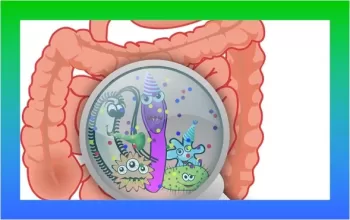
Before we take a closer look at your gut microbiome, here’s a fun fact: you gut is approximately 9 meters, or 29.5 feet, long and most of it is made up of the small and large intestines and the colon. And in your gut are more than 100 trillion micro-organisms, most of these are bacteria. Without these micro-organisms you simply would not survive!

Your colon contains a lot of your gut bacteria and these protect your gut. But they also produce some key vitamins, such as vitamin K and some B vitamins.

A healthy gut microbiome needs your gut wall to be in excellent condition. It needs to have a healthy mucous layer to stop bacteria, food particles, toxins, and digestive acids and enzymes from going through the gut wall and entering your bloodstream. It also needs the gut wall to be intact. Most people with Endometriosis have leaky gut, or gut hyper-permeability. Not only allows a leaky gut undigested food particles to get into the bloodstream, the damage also means there is less surface area on the gut wall for the gut bacteria to adhere to, grow and flourish.

So to improve your gut microbiome, you first need to improve your gut wall. Your best strategies are to remove gluten, dairy and any other foods that you are intolerant to. This allows your gut wall to heal.

The next step is to address the balance of good and bad bacteria. And here is where it gets interesting: your gut bacteria eat what you eat. But the good bacteria don’t eat the same things the bad bacteria eat. And that means you can use your diet to starve the bad bacteria and allow the good bacteria to multiply.

To starve the bad bacteria, you need to remove processed foods, junk food, sugar and simple carbohydrates.

And to feed the good bacteria, you need to eat foods that are high in fibre, such as fresh fruit and vegetables, lentils, beans, nuts and seeds, and whole grains.

Once your diet is the perfect diet for the good bacteria, you can help things along by including fermented foods such as sauerkraut, kimchi, and apple cider vinegar which contain live bacteria.

And a final comment if you have considered (or even been recommended) this diet to help with your Endometriosis symptoms. Please know that the FODMAP diet is only right for you if you have been medically diagnosed with IBS. Unfortunately, a FODMAP diet has been shown to damage the gut microbiome, so unless you definitely have IBS, you should never follow it.


If you’d like to have a personal chat about your options for improving your gut microbiome and reduce your Endometriosis symptoms, book a free Endometriosis SOS Call.

Sleep, stress and Endometriosis

In this article I will look at the role that sleep plays in your Endometriosis. And because stress affects it, I’ll touch on that as well.

Many of my clients have difficulties with sleep: difficulty falling asleep or waking up often, or not getting enough, or if they do, not getting the quality they want. And studies have shown that in Endometriosis, poor quality sleep contributes to period pain, pelvic pain, painful intercourse, bladder pain and more depressive symptoms.

So what does good sleep look like, and how does it affect your Endometriosis?

Sleep actually consists of 4 stages and you go through this cycle a few times during the night:

  1. Transition – this should take between 1-7 mins. Your body is not fully relaxed, and it is easy to wake up.
  2. Light sleep (this takes up 50% of the night) – each time lasts between 10-25 minutes. Your muscles are relaxed and your breathing and heart rate are slower.
  3. Deep sleep – each time lasts between 20-40 minutes Your muscles are fully relaxed, and your breathing and heart rate are slow. During this stage your brain waves are very slow. It is important for insightful thinking, creativity, and memory
  4. REM (Rapid Eye Movement) sleep – each time lasts between 10-60 minutes. You experience temporary muscle paralysis except for your eyes and breathing. Your brain is more active. It is important for memory, learning and creativity. This is also the stage where you dream.

You cycle through these stages during the night. Each cycle takes between 70 – 100 minutes early in the night, to 90 – 120 minutes later in the night.

During the first half of the night you have more deep sleep. During the second half of the night you have longer light sleep and also more REM sleep.

And this is interesting: how refreshed you feel when you wake up is determined by your last stage of deep sleep.

Stress plays an important role in your sleep. Stress raises your cortisol levels (the stress hormone) and higher levels of cortisol lead to:

  • Longer transition stages: so it takes longer to fall asleep or fall back asleep if you wake up during the night
  • Longer light sleep stages, so you wake up more often during the night
  • Shorter deep sleep stages
  • Shorter REM sleep stages
  • Shorter sleep overall

Cortisol also affects your immune system and contributes to chronic inflammation.

Research has shown that sleep disturbances are linked to inflammation: you produce fewer anti-inflammatory cytokines and T and B cells (which are cells that regulate the immune response) are less active.

And finally, sleep affects the production and regulation of hormones.

Sleep problems increase inflammation, making your Endometriosis worse.

So how do you get a better night’s shut-eye? Here are some strategies you might like to try:

  1. Reduce your stress: meditate, journal, practice mindfulness, do breathing exercises, use relaxing music, dance, spend as much time as possible outside in nature.
  2. Make sure you don’t have any underlying infections, such as gum disease.
  3. Create a clear routine and stick to it every day. Get up at the same time, go to bed at the same time, don’t sleep in. The routine ‘trains’ your brain when it’s time to fall asleep and wake up.
  4. Keep your bedroom dark and cool, don’t go on devices at least 1 hour before bedtime, block out any big sounds that might wake you up during light sleep.
  5. Follow an anti-inflammatory diet
  6. Don’t drink any alcohol at night. It may help you fall asleep quicker, but it reduces the amount of REM sleep.


Besides your diet, sleep is one of the main factors in inflammation and your Endometriosis symptoms. Any improvement here can help you reduce the severity of your symptoms.

If you want to explore how nutrition can help you improve your sleep and reduce your Endometriosis symptoms, book an obligation-free 30-minute ⁠Endometriosis SOS Call⁠: https://theendometriosisnutritionist.online/endometriosis-sos-call/
The role of leaky gut in your Endometriosis symptoms

Have you ever wondered how your gut affects your Endometriosis? And what the role of leaky gut is in your symptoms? Because if you have symptoms like bloating, constipation and/or diarrhoea, flatulence, fatigue, brain fog, headaches or migraines you're very likely to have leaky gut!

But first, what is leaky gut? Well, if you have leaky gut, or gut hyperpermeability, your gut wall is damaged and allows undigested food particles through into the blood stream. To get a sense of what this damage is like, imagine your gut wall is a like a brick wall. With leaky gut, the mortar between the bricks is starting to crumble and disappear, leaving gaps where you can see outside. Something similar is happening to your gut wall.

The problem with this is that when undigested food particles get into the blood stream, your immune system is triggered, because these food particles are not meant to be there. This increases inflammation and worsens your Endometriosis symptoms. But increased inflammation also makes your leaky gut worse, so you've got a vicious cycle of worsening leaky gut and increased inflammation. Some of these food particles, in particular gluten and dairy proteins, can cross the blood brain barrier, and once in the brain, act as opiates. You'll notice this as intense fatigue and brain fog.

So your leaky gut is partially caused by your inflammation. But there is another contributor: food intolerances.

When you are intolerant to a food (read more about food intolerances and where they come from here) they trigger a chemical that damages your gut wall further and cause various digestive symptoms such as bloating, constipation and/or diarrhoea, and flatulence.

A second problem when you have leaky gut is that you won’t be able to absorb nutrients from your diet effectively. This can lead to, or worsen, nutrient deficiencies, such as iron or B vitamins, contributing further to fatigue.

And thirdly, a damaged gut wall means there is less surface area for good gut bacteria to settle and multiply. We now know that our gut bacteria play an important role in anxiety and depression and have some other key functions in the gut (listen to my podcast episode ‘What do gut bacteria actually do”).

Now you know the role of leaky gut in your Endometriosis symptoms, the question is, of course, what should you do to heal your gut? This article gives you some strategies.

And if you'd like to have a personal chat with me about how you can reduce the severity of your Endometriosis symptoms through diet, book a free Endometriosis SOS Call.