Iron deficiency and how to get the most iron out of your diet

Iron deficiency is very common amongst people with Endometriosis. There is a bit of a vicious cycle between iron deficiency and heavy and long bleeds during your period: heavy and/or long bleeds increase your iron deficiency, and iron deficiency causes longer and heavier bleeds.

Iron plays a very important role in many body processes, such as energy production, immune function, regulating body temperature and muscle performance. Your body needs it to make DNA, enzymes and red blood cells, to transport oxygen around your body, and for metabolism.

Your first defence against iron deficiency is to make sure your diet contains good levels of iron. And that’s where things get a bit tricky.

Iron from food (or supplements, but more about that later) is absorbed in the gut. Your gut contains specific receptors that transport iron through the gut wall into your blood stream.  Unfortunately, these receptors do dual duty: they are also transporters for calcium, but they can only transport one mineral at a time.

That means that if you have a meal that contains foods high in iron and in calcium, your gut won’t be absorbing the maximum amount of iron from your food as some receptors are too busy with calcium.

It is also important to understand the difference between the two types of iron you’ll find in food.

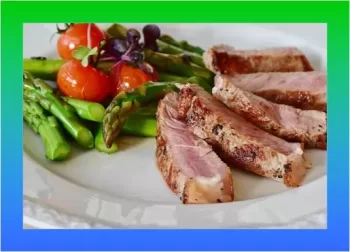
The first type of iron, haem, is found in animal products and meat, poultry and seafood and is a high source of this haem iron. This type is easily absorbed.

The second type of iron, non-haem, is found in plants – wholegrains, seeds, nuts legumes and leafy green vegetables and in the meat and products of animals that eat plants. It is not in a form that the iron receptors can transport and needs to undergo a change before it will be absorbed. This means that if you eat a vegetarian or vegan diet, the only iron in your diet is non-haem and you’re even more likely to be iron deficient.

So how can you maximise the iron you get from your food?

  • If you eat animal products and meat, make sure you include high quality, non-processed meat in your meals. You don’t need large amounts.
  • To maximise getting iron from your food, you don’t want to combine calcium rich foods with iron rich foods or calcium supplements.
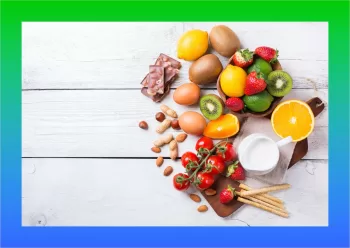
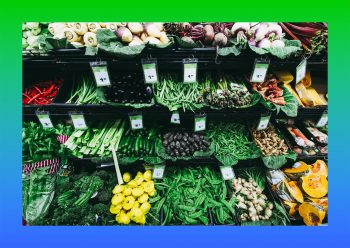
  • You can also improve the absorption of non-haem iron from plant-based foods by combining them with foods high in vitamin C. Think about red capsicum or peppers and tomatoes. Many fruits are high in vitamin C as well.

Now let’s talk about iron supplements for a moment.

One of the key symptoms is fatigue and when you go see your doctor they will often quickly do a blood test and when your iron levels are low, suggest you take a supplement. Often these supplements cause constipation and if you have Endometriosis on your bowel, this can make going to the toilet extra painful and difficult.

The type of iron in the supplement can make a difference. In supplements, the iron come in different forms, usually ferric and ferrous and is bound to a salt (sulphate, gluconate, citrate or bisglycinate, for example). To get the best absorbed supplement that causes the least gut issues you may want to look for ferrous iron as amino acid chelate, diglycinate or bisglycinate.

Start on a low dose because your body will only absorb so much. The iron it doesn’t absorb will travel down the colon and contribute to constipation.

Many people with Endometriosis are iron deficient. Making sure that you eat a diet high in iron that is easily absorbed will go a long way to getting back to healthy iron levels.


If you’d like to learn more about how diet affects Endometriosis symptoms, you might like to sign up for a free 3-part video series: How diet affects 15 Endometriosis symptoms. You will receive a daily email with links to the videos. You can sign up here: https://www.subscribepage.com/howdietaffects15endometriosissymptoms

Soy: should I eat more to help with my Endometriosis symptoms?

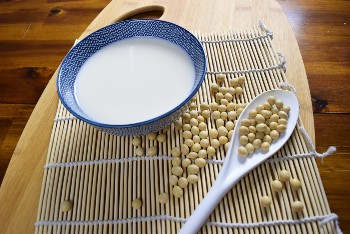
Soy is a key food for many of you and it can be confusing to know whether it will help with your Endometriosis or make your symptoms worse.

Although Endometriosis is not caused by an excess of oestrogen (one of the 2 female hormones), Endometriosis is an oestrogen-dependent disease. This means that your Endometriosis responds to rising levels of oestrogen leading up to your period by growing and spreading.

So it makes sense to avoid adding more oestrogen to your system through food and soy contains oestrogen isoflavones.

So, should you avoid eating it?

I wish there was a simple answer. There hasn't been a lot of research into the effect of eating soy on Endometriosis. In a study that looked into the effects of eating soy from an early age, Endometriosis progression and pelvic pain was higher when eating a diet that contained more than 10%. Another study found that eating soy was beneficial in advanced Endometriosis, but not in early Endometriosis but it didn't discuss amounts of soy in the diet.

Another factor to consider is that many of my clients show an intolerance to soy. You can read more about the importance of finding out what your food intolerances are in this article.

Soy is a key source of protein for those of you that are vegan or vegetarian. Based on the very limited research done in this area, including soy in your diet should be okay if you keep it at around 10% of your total food intake when you are in the early stages of Endometriosis. If you have advanced Endometriosis you may need to experiment with amounts to see how it affects you.

Some foods should be avoided though as they contain high levels of hidden soy:

  • hamburgers
  • sausages
  • some cheese
  • ice cream
  • muesli
  • energy bars
  • any product that contains lecithin (in chocolate, packaged cakes and biscuits, mayonnaise and salad dressings)


If you want to explore whether nutrition can be the right option for you to take some control over your symptoms, book an obligation-free 30-minute Endometriosis SOS Call.  

The ‘Buffet’ style approach to managing your Endometriosis

I have a philosophy about the best approach to managing your Endometriosis. I call it the buffet style approach.

You know the food buffets you often see in hotel restaurants. I like them because it allows me to create my own meal from the ingredients that are there. I can mix and match, based on what I like to eat, what I feel like eating at that moment and what I do or don’t want to have in my diet. I can also decide how much I want to eat. And someone else can create a completely different meal from that same buffet.

I like the concept of a buffet as an analogy for how I think a disease like Endometriosis needs to be managed.

Although I am a nutritionist and think nutrition is a powerful tool to help deal with most diseases, I don’t think it is the be all and end all. Changing your diet will not by itself get you all the results you are looking for. If all you used was nutrition, you’d only use one of the food items available on the buffet.

There are so many other types of treatment that may be helpful. For example acupuncture, physiotherapy, meditation, massage, yoga, chiropractic or osteopathic adjustments, herbal medicine or homeopathy. But also medication and surgery.

The buffet to manage your Endometriosis contains lots of options. What you choose from that treatment buffet is a very personal combination of treatments. Your ‘meal’ may consist of meditation, physiotherapy and nutrition. Someone else may combine medication with yoga. And someone else may have surgery and then use nutrition and herbal medicine to manage afterwards.

Each element of your meal contributes in a unique way to managing your symptoms, and often their combination makes each approach work better.

And what I love about the concept is that it gives you control. You choose the treatments that you feel comfortable with, that work for you.

There is no right way to manage your symptoms, there’s only the right way for you. Of course, as a nutritionist, I think looking at your diet can make a huge difference, but I also know that that isn’t right for everyone.

To find your ‘meal’ from the buffet of treatment options out there, do your research. Find out what different practitioners can help you with. If it sounds useful, try it.

What treatments have you chosen from the buffet options so far?


If you’d like to find out if nutrition might be a useful tool for you, I’d love to have a chat. You can book a free 30-minute Endometriosis SOS Call where we can discuss your journey so far, what you’re hoping to achieve and how nutrition may help. Book your Endometriosis SOS Call here.

Dairy: the truth about milk products and Endometriosis

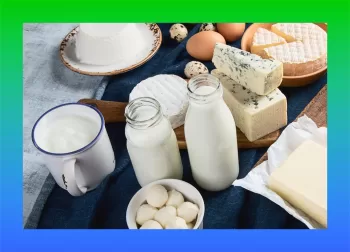
As with gluten, milk products are getting a lot of ‘noise’. For a long time it had a bad rap as one of the key contributors to heart disease. We now know better, and for many people, milk products are a healthy food.

However …

For some of you, removing dairy altogether, or at least switching to A2 dairy, might be a good idea as well.

Did you have recurring ear infections as a child and had dairy in your diet?

We now know that recurring ear infections in young children is a sign of a milk protein intolerance, creating a -- you guessed it -- inflammatory response.

That means that, if you had recurring ear infections as a child and had milk products in your diet, your immune system has been responding to the dairy for a long time, creating more inflammation.

Interestingly enough, not all dairy is the same. You may have seen ads for A2 milk and thought it was just a marketing ploy.

Not so.

Dairy proteins come in 2 types:

  • A1 protein - which is produced by cows that originate from Northern Europe: Holstein, Friesian, Ayrshire, and British Shorthorn.
  • A2 protein - which is produced by cows that originate from the Channel Islands and southern France: Guernsey, Jersey, Charolais, and Limousin cows.

There isn't a lot of evidence that A2 milk causes less problems than A1. But if you like your milk products and don't want to go dairy-free, it could be worth a try.

Goat and sheep milk products also contain A2 protein, so might be an option if you’re struggling to give up dairy.

If want to go completely dairy-free, switch your milk products (milk, cream, yoghurt, cheese) to nut-based products and rice milk. But avoid soy milk. Soy contains phyto-oestrogens. You already produce higher than normal levels of oestrogens, so you don’t want to add more!


When you have Endometriosis and other health concerns

I have so many clients who come to me because they have Endometriosis but also have other health concerns, such as thyroid disease, multiple sclerosis, polycystic ovary syndrome (PCOS), asthma, dermatitis and varies allergies. Many of these other health concerns are auto immune diseases, or have some connection to the immune system.

Endometriosis is not officially classified as an auto-immune disease, but it does have some elements of it. One of the interesting findings is that women with Endometriosis have endometrial auto antibodies. Antibodies are memory cells that have been ‘trained’ by the immune system to recognise specific pathogens, usually viruses or bacteria. Auto antibodies are immune cells that, for some reason, have decided that certain cells or tissues in the body are a threat. The endometrial auto antibodies are able to recognise endometrial tissue and when they do (which is often of course, because you have lots of endometrial tissue) the immune system is triggered.

But why would I want to know about any other health concerns you may have?

As a natural health practitioner, I look at the whole person. And when I help you create a diet that is right for you, I need to take into consideration what else is going on, health-wise.

Because if I don’t, and I just give you recommendations for your Endometriosis, I may make another health concerns worse. And that’s the last thing we want to do!

I’ve had a few clients who also had multiple sclerosis (MS), for example. Now, many women with Endometriosis are iron deficient, and if I didn’t know they also had MS, I would recommend they eat red meat twice a week, to make sure they get the iron they need. But red meat is not a good food if you have MS.

Thyroid issues are another example, where I would have to be careful what I recommend around eating brassicas.

And there’s another reason why I think it is much better to focus on your whole health, instead of just your Endometriosis when we create your diet. Let’s be honest, changing your diet is hard. My thinking is that if you are going to put the effort in to change your diet, we might as well try to find one that helps you with all your health concerns, instead of making changes for Endometriosis, and the further down the track tweak it further to deal with your PCOS, or your asthma, or your dermatitis, etc.

And sometimes that means I have to do a lot of research to learn more about the nutritional elements of a disease I’d never heard about before. Which I love!


So, if you have Endometriosis and/or Adenomyosis and also other health concerns and you’d like to have a chat about what we might be able to do with nutrition to make you feel better, just book a free 30-minute Endometriosis SOS Call.

The hidden toxins in your diet and how to remove them

In my previous post I have you some suggestions on how to clean up your environment. It may not be something you can do in one big swoop, but if you change the products you use little by little, you will improve your health.

In today’s post I want to talk about the hidden toxins in your diet: what they do to your health and how to remove them from your diet.


Here’s the problem with our food: when you go to the supermarket and you buy fresh, whole food – vegetables, fruit, meat – you expect to buy healthy, fresh food don’t you?

When in fact, you’re not!

Let me share a story with you. A few years ago my daughter and I visited a dairy farm. One of the owner’s proudly showed us around the milking shed, showed us the milking machines and explained how they looked after the cows. The cows looks lovely and healthy! And then she showed me the computer program she used to know when each cow needed her monthly antibiotics injection.

I wasn’t even sure that I heard her correctly. And then I realised that my daughter and I were drinking milk and eating dairy products from cows that were routinely treated with antibiotics, whether they needed it or not. As a preventative measure.

That day, I switched to organic dairy wherever I could.

To provide their products to the main supermarkets and make a profit, farmers need to be able to produce their products fast and at large quantities without the risk of diseases.

That means they need to use chemicals to protect their crops and animals.

One of the most dangerous chemicals used in crops is glyphosate (or Round-Up). Glyphosate kills cells, disturbs the cells processes and builds a toxic load in the body.

Washing your fruits and vegetables won’t remove the chemicals, as they are sprayed on with a waxy formula to prevent it from washing away in the rain.


The best way to remove hidden toxins from your diet is by eating organic food. Unfortunately, organic food is more expensive, because farmers have to apply more labour-intensive practices.

So here is my recommended top 8 to go organic on:

  1. Apples. The most sprayed fruit and because most of us eat apples with skin-on. If you can’t afford, or can’t find, organic apples, peel the skin.
  2. Strawberries and blueberries. These berries are sprayed heavily to prevent fungi. Organic berries may be hard to find in the supermarkets. You could always grow some strawberries yourself!
  3. Cherry tomatoes. A great snack, but because they are so small, the skin surface area is quite large. Again a food I love to grow myself (also because they taste sooooooo much better that those from the supermarket).
  4. Normal potatoes. Interestingly, sweet potatoes contain hardly any pesticides, whereas our much-loved spud does.
  5. Spinach. Not only does spinach contain pesticides that are harmful to us, in some cases insect repellent that is killing honeybees.
  6. Nectarines and peaches. The issue is the same as with apples. The pesticide is very hard to remove from the skin, and most of us will eat the skin.
  7. Grapes are very susceptible to many diseases, so they are sprayed heavily and we eat them skin and all. Plus, we eat quite a lot of them at a time.
  8. Cucumber. Again, the sprayed skin is the problem here. And you could peel the cucumber, but that would remove a lot of the valuable nutrients.

My advice is to pick the food that you love to eat the most, and switch to organic. Then slowly add more as you find them.


And let me finish with some good news. These fruits and vegetables are not a problem at all, and you don’ t need to go organic:

  • Melon
  • Mango
  • Onion
  • Cabbage
  • Pineapple
  • Eggplant
  • Peas
  • Avocado
  • Mushrooms
  • Kiwi fruit


Where do all these food intolerances come from?

I talk a lot about food intolerances and how they contribute to your Endometriosis symptoms. These are often intolerances to normally healthy foods, such as fresh fruit and vegetables. But where do they come from? Have we always had food intolerances or is it a modern ‘affliction’?

The question actually came up in one of my Endometriosis SOS Calls. I was explaining how I focus on identifying food intolerances and then help remove those foods from the diet. She said that she’d heard me talk about food intolerances in my podcast quite a bit and then asked where they came from.

I thought that was an excellent question, and one I didn’t have an answer to at the time.

So, I did some research on it to see what has so far been discovered about the causes of food intolerances but couldn’t really find any scientific insight.

But I do have some thoughts and ideas about what might be going on that I’m going to share with you.

I do think that food intolerances are on the rise and I have also noticed that they are more prevalent in some parts of the world and less in others. They are all elements of modern living.

And I think there are 5 main reasons for this.


1.      Our foods are less nutrient-dense than they used to be

Farmers are under enormous pressure to grow lots of produce and grow it fast. To be able to earn a living they need to focus on yield, so growing the variety of produce that provides the highest yield.

It then needs to be harvested and often transported a long way, before being kept in storage until it can go to supermarkets (where most of us buy our fresh produce). Once in store, it needs to have a long shelf-life to make it viable for stores to sell the produce. Now, if any of you have ever grown fruits or vegetables yourself, you’ll know that if you harvest when something is ripe, it will only 1 or 2 days. So, produce gets harvested before it is ripe and is then expected to ‘ripen’ in store.

Unfortunately, although a tomato will change colour and become more pleasant to eat if it is ‘ripened’ in store, it hasn’t actually ripened in a nutritional sense. It needs nutrients from the soil, water and sun to do this. So most of the fresh produce we buy is not nearly as full of nutrients as it should be. This can contribute to nutrient deficiencies, potentially in nutrients that are needed for your gut and for your immune system to function optimally.


2.      We grow and eat a much narrower range of species of fruit and vegetables

This point is related to the previous one. Because farmers need to grow for yield, they’ve selected variations of produce that grow fast and big. And as a result, we don’t really have a lot of variation in our diet!

Think for a moment about the different types of apples you can buy in the supermarkets. How many would you say there are? However many you think, it is only a fraction of the actual variety of apple types there used to be and that people used to grow and eat.

Our digestive system is built for variety, not just a variety of different foods, but also variety within a food, like apples. Different varieties have subtly different characteristics and if your gut is a bit sensitive to a characteristic of one variant, eating lots of different types of apple will not create a big reaction. Eating the same type of a apple with that characteristic your gut is sensitive to over and over again then creates an intolerance. Corn is a good example. So many of my clients have an intolerance to corn, and, worldwide, we’re only growing a very small number of corn species.


3.      Exposure to herbicides and pesticides and toxic chemicals makes your more vulnerable to food intolerances

More bad news for our gut is the widespread use of herbicides and pesticides in growing our food, as well as using chemicals around the house. When produces is sprayed with chemicals, not only will they be on what we eat, they will also end up in the soil. The soil is what feeds the plant when it grows, so the chemicals also end up in the food you eat.

And when it comes to chemicals used at home: did you know that bleach actively kills your gut bacteria? If you smell it, it’s entering not just your nose but also your digestive system. A healthy balance of bacteria in your gut, your gut microbiome, is a key defence against food intolerances. If you'd like to find out more about this, this article is very insightful.


4.      The convenience of processed foods

We have gotten used to eating processed foods. Packaged biscuits, sauce mixes, supermarket breads, even pre-seasoned meatballs; they’re all processed foods and most of them contain additives to make them look fresh, taste nicer, and keep longer.

This is all done with additives: man-made chemicals. And our bodies are simply not able to process these chemicals. Even worse, many are irritants and damage your gut. A damaged gut is a major cause of food intolerances.


5.      Obsession with germ-free environments

Over the past few decades we’ve developed this fear of germs. The marketing around cleaning products is all about making us afraid of bacteria. But we are made up of trillions of bacteria and without those bacteria we wouldn’t survive. Of course, there are some bacteria that are a worry, and you definitely need to avoid undercooked chicken and wash your hands after going to the bathroom.  But our bodies need exposure to bacteria. Out of fear of bad bacteria, we’re also killing good bacteria. And overall, that has made our gut super sensitive.


Each of these 5 factors in isolation may not cause food intolerances to develop, but most of us are exposed to most, if not all of them and that, unfortunately, means increasing numbers of food intolerances.

Two food intolerances I see in almost all my clients are to gluten (in wheat products) and diary protein (no, not lactose, so going lactose-free won’t help). And that’s why we always start by removing those from the diet.

If you would like to see how removing gluten and dairy from your diet can help you feel so much better but know you need some help doing it successfully, preferably with some recipes to get your going, then check out my course: “Remove Gluten and Dairy from your Diet”.

Of course, if you prefer to have a chat about your options for finding out what your food intolerances are and how to tweak your diet to remove them, you can book a free 30-minute Endometriosis SOS Call.

Having Endometriosis surgery? Here is how to prepare.

Endometriosis surgery, even if it is laparoscopy, is invasive. It affects many systems, creates sites of trauma (where incisions are made or where tissue is removed) and various chemicals are used on and in your body that need to find their way out again.  It really is like running a marathon and the fitter and healthier you are at the time of surgery, the faster and better you recover.

The anaesthetics used so you are either fully ‘under’ or won’t feel pain in the area of the surgery (local) end up in your body. Your body needs to get rid of it. In a healthy person, this could take at least a week. Longer in a not so healthy person. Your liver needs to work very hard to ‘detoxify’.

Even if with Endometriosis surgery like a laparoscopy, where the incision is very small, the act of it causes major trauma on the body and the body responds with a crisis response.  The immune system (already not your strongest system) kicks into overdrive, trying to protect you from invaders. Inflammation being its no. 1 strategy means that although your endometriosis may have been successfully removed, your body is in an ‘endometriosis growing’ state.

Your digestive system will be ‘shut down’ especially during general anaesthetic and will take time to wake up again – not good if your constipation is a common problem for you, or nausea.

For a laparoscopy gas will often be added into your abdominal cavity to create ‘space’. This gas needs to be absorbed and processed by the liver to be able to be removed from your body.

I see Endometriosis surgery as similar to running a marathon: to come through it as well as possible, you need to go in training. And of course, as a nutritionist, I look at using nutrition to get in the best possible shape. Because then you’ll recover faster as well!

So what does this ‘training’ look like?

Well, I split the training into preparation and recovery.

Preparing for your Endometriosis surgery

The preparation should start at least 2 weeks before your scheduled surgery. The aim is to get fighting fit: to get your body in the best possible state, so it can handle the procedure better.

A bit part of this is to reduce the effects of your current diet. If you haven’t made any diet changes at all, it is very likely that you are eating things that are creating chronic inflammation. And the surgery experience will further increase that inflammation, so it will help to reduce it as much as possible beforehand.

So no later than 2 weeks before your surgery, remove gluten and dairy, sugar, processed food, alcohol and caffeine from your diet. They are all inflammatory.

Switch to a mostly plant-based diet. You can still eat meat, but keep it to only a couple of times a week and to small amounts. Eating more fish will also be beneficial.

Do light exercise daily, for example going for a brisk 30 minute walk or swim, or do a yoga session.

At one week before your surgery you really want to get serious about what you eat and drink. Go all in and don’t eat any gluten, dairy, sugar, processed foods or takeaway foods (you just don’t know what’s in it). Avoid caffeine and alcohol.

You’ll need to increase the amount of protein you eat somewhat, and preferably by eating more plant-based protein, such as lentils and legumes, quinoa, and nuts and seeds. A mostly plant-based diet will be high in fibre and that will help if you’re constipated.

Recovering from your Endometriosis surgery

Once you’ve had your surgery, you’ll be recovering, first in hospital, and then at home. Whilst you’re still in hospital, let the hospital staff look after you: eat what they feed you; take the medication. Wait to start your recovery nutrition plan until you get home, where you will have control over what you eat and drink.

The next 2 weeks are about giving your body time, rest and the necessary nutrients to heal and recover. Your liver will be working overtime and it will need extra support.

There are some nutrients that will help you with your recovery so look for adding foods that contain: vitamin C, omega 3 fatty acids and good quality protein (in small doses).

Eat a high fibre diet to help your liver remove the anaesthesia and any medication you may be taking.

You may also like to consider taking a turmeric supplement: it helps your liver, supports a healthy gut and is a natural anti-inflammatory.


These are just some general strategies to prepare for your surgery and recover faster afterwards. If you have surgery coming up and are interested in a more detailed support, you might like to take a look at my course “Endometriosis Surgery: Get Fighting Fit and Recover Faster”.

The 3 principles of an anti-inflammatory diet

Because systemic inflammation is such a key element in the development and progression of Endometriosis, one of the most powerful steps you can take is to follow an anti-inflammatory diet.

The word explains what it does - it reduces the systemic inflammation in your body. But what is it?

Well, it is a diet that consists of

  1. Removing foods that increase inflammation
  2. Adding foods that reduce inflammation.

I give my clients 3 simple to follow principles to make their diet anti-inflammatory.

Principle 1: Eat a wholefood diet

Why?
  1. Our bodies are designed to thrive on natural foods and not man-made foods. We haven’t evolved enough yet (evolution works super slowly, it will take thousands of years to catch up) to handle man-made foods as well as natural foods.
  2. As a result of eating man-made foods (think biscuits, cereals, processed meats, anything that comes in packed form in the shops), our bodies are in a constant state of slight discomfort. And we’re so used to this that we don’t even notice it!
  3. This constant state of slight discomfort comes with chronic inflammation, which is the cause of many diseases.
What?

Wholefoods are:

  1. Foods that have grown in soil- e.g. Vegetables (incl frozen)
  2. Foods that have walked on soil – e.g. meat, chicken
  3. Foods that are produced by something that walked on soil – e.g. dairy, eggs.
How?
  1. Start replacing packaged foods with wholefoods in your breakfast, lunch, dinner and snack.
  2. Look for easy ways to create your normal meals but without the packaged ingredients. E.g. Bake your own biscuits. Or check the natural ingredients used in a packaged food and use those in your meals.


Principle 2: Eat More Plant Matter.

Why?
  1. Plant-based foods are natural foods. Our bodies are designed to thrive on natural foods. We haven’t evolved enough yet (evolution works super slowly, it will take thousands of years to catch up) to handle processed foods as well as natural foods.
  2. Plant-based foods contain a wide range of key nutrients: vitamins, minerals, trace elements and phytonutrients. Those phytonutrients are ONLY found in plants that have grown above the ground and are powerful anti-inflammatory antioxidants.
  3. We typically don’t eat enough plant-based foods. Our ratios between meat, carbs and plant-based foods in our meals is way out.
What?

Plant-based foods are:

  1. Vegetables
  2. Fruits
  3. Nuts
  4. Seeds
  5. Legumes & beans
  6. Grains (wholegrains!), but not wheat (see the next principle)
How?
  1. Add plant-based foods to every meal: breakfast, lunch, dinner and snack.
  2. For lunch and dinner, ¾ of your plate should be made up of plant-based foods.
  3. Eat the rainbow: aim for at least 3 different vegetables from different colours. Frozen vegetables are absolutely fine. And if you buy fresh, don’t buy it pre-cut/sliced, etc as cut plants leak their nutrients.


Principle 3: Remove Inflammatory Foods.

Why?
  1. Many foods increase inflammation. This includes all processed foods, but some wholefoods as well
  2. Certain foods are not inflammatory in themselves, but are a problem in Endometriosis
What?

Inflammatory foods are:

  1. Gluten: wheat protein is one of the main inflammatory foods for women with endometriosis. A gluten sensitivity causes an immune response, and damage to the gut wall allows partly digested gluten proteins to enter the bloodstream, causing wide-spread inflammation. Gluten are in breads, pastas, oats, rye, barley, malt, Brewer’s yeast, soy sauce, most salad dressings and marinades, meat substitutes like vegetarian burgers, and many processed foods – check the label.
  2. Foods containing sugar: sugar is an immune depressant and is highly inflammatory. Avoid biscuits, lollies, cake, muffins, ice cream, sugary beverages and fruit juices
  3. Processed meats: ham, salami, sausages, pre-seasoned meat products such as kebabs
  4. Processed snack foods: chips, crackers etc.
  5. Certain oils: soybean oil, corn oil
  6. Trans fats: many processed foods contain hydrogenated fats – check the label
  7. Alcohol: although some alcoholic drinks contain antioxidants, the alcohol content is inflammatory and will undo any benefits you might have gotten from the antioxidants.
  8. Caffeine is a gut and bowel irritant and will aggravate existing food sensitivities.
  9. Dairy: if you had recurring ear infections as a child, dairy protein may also cause inflammation for you.
How?
  1. Review your current diet and determine what you are currently eating that is on the inflammatory list above
  2. Remove gluten as a key first step.
  3. If you drink a lot of coffee, black or green tea, or eat a lot of chocolate, phase these out of your diet over a couple of weeks (to avoid caffeine withdrawal). Replace your coffee or tea with water or herbal teas
  4. Stick to a wholefood, mostly plant-based diet.


Now, at this point you might feel a little overwhelmed. So much to change if you want to eat an anti-inflammatory diet!

Well, I’ve got you covered! Start by completing a free diet assessment to see how much of your current diet is contributing to your symptoms.

The 2 most common questions I get about lack of energy in Endometriosis

Lack of energy or fatigue is a symptom I see a lot of in my clinic. When I meet someone in an Endometriosis SOS Call to discuss their Endometriosis journey, symptoms and what they would like to achieve (by the way, you can book your own, free, Endometriosis SOS Call here), they tend to ask 2 questions – and often in one breath:

  1. Why do I lack energy?
  2. How do I get more energy?

So let’s explore this a bit more.


Why do I lack energy?

I think there are 4 key reasons why you can feel you lack energy. Two of those reasons are directly related to food and nutrition, and two are more indirectly related.

Nutrition deficiencies

Because you are very likely to have leaky gut, you are not able to absorb all the nutrients you need from your diet. And with an immune system that is not functioning optimally, your need for nutrients is higher as well. That means that you’re very likely to be nutrient deficient. Deficiencies in the B vitamins, iron and vitamin D are all linked to fatigue.

Food intolerances

Fatigue is also caused by food intolerances. Gluten and dairy intolerances are key culprits. When undigested gluten and dairy proteins enter your bloodstream they can cross the blood-brain barrier and once in your brain act as opiates.

You will also have some food intolerances that are unique to you, often to foods that you think are healthy, such as fresh fruit and vegetables.

Food intolerances also worsen your leaky gut, and as such contribute further to nutrient deficiencies.

You have a chronic disease

Having a chronic disease with symptoms that can completely rule your life is enormously stressful. And stress adds to fatigue and may also interfere with getting a good night sleep.

Sleep

Not enough sleep, interrupted sleep or sleep that is of low quality is obviously going to make you feel tired.


How do I get more energy?

It’s one thing to know why you are so tired, but what can you do to get more energy?

The number one strategy I recommend is to identify what foods you are intolerant to and remove those from your diet. It will reduce fatigue, allow your gut to start to heal, and that will help you to absorb more nutrients from your diet. Start with removing gluten and diary from your diet and notice how it affects your energy levels. If you need help with this, have a look at my course ‘Remove Gluten and Dairy from Your Diet’.

A second strategy is to get into the sun to increase your vitamin D levels. It is fairly difficult to get enough vitamin D from food, and supplements may not be well absorbed. You can read more about vitamin D in this article.

And the third strategy, if you don’t get enough sleep or not enough quality sleep, is to establish a sleep routine and stick to it diligently. Try to do some very gentle exercise each day, but not too late at night. Some light yoga or stretching or taking a stroll will help you to wind down. Also don’t eat too late at night. Digestion can be a very active process, and make it difficult to fall asleep. If you find you wake up at night because you need to go to the toilet, stop drinking fluids by 7pm.